
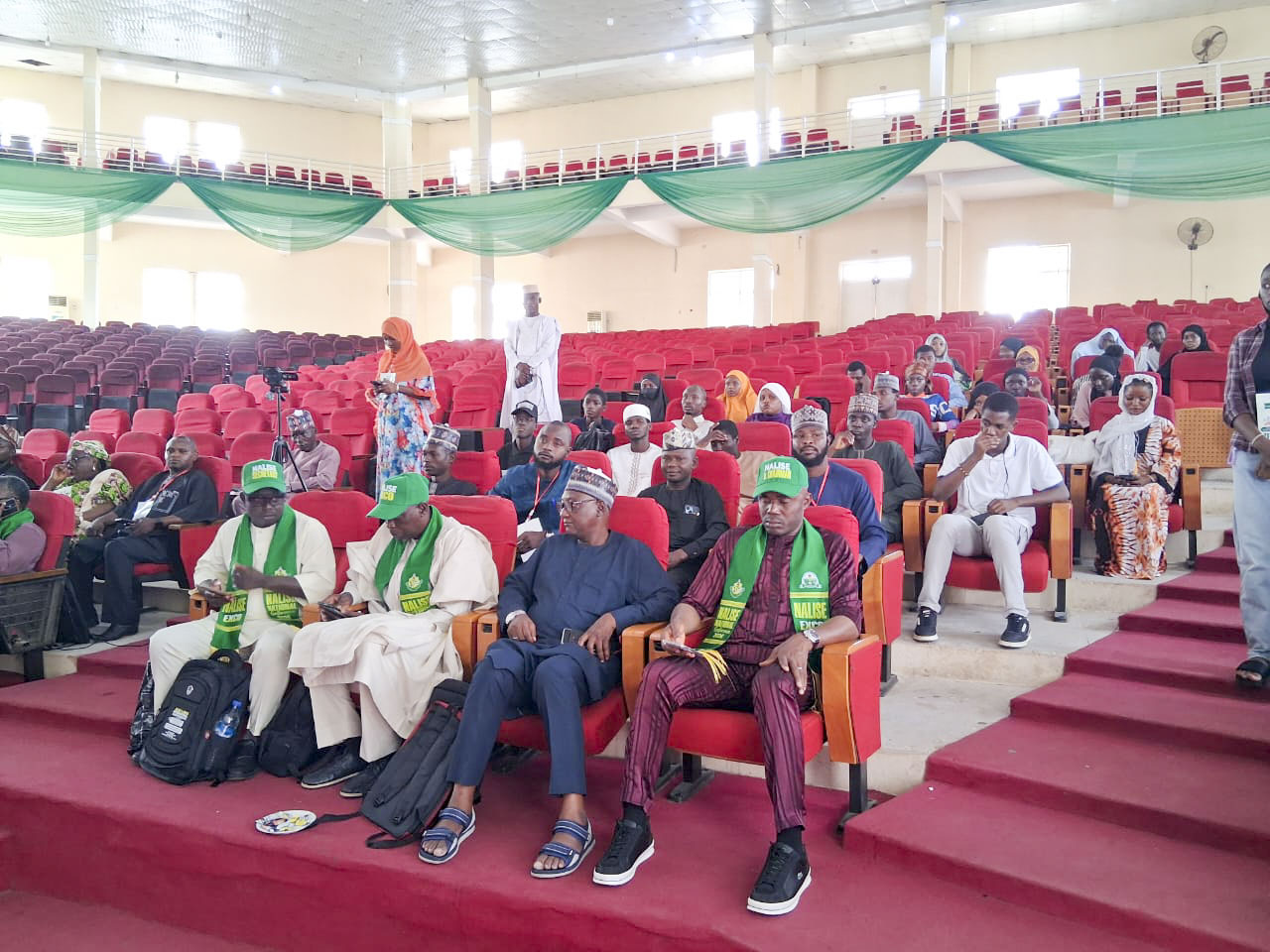
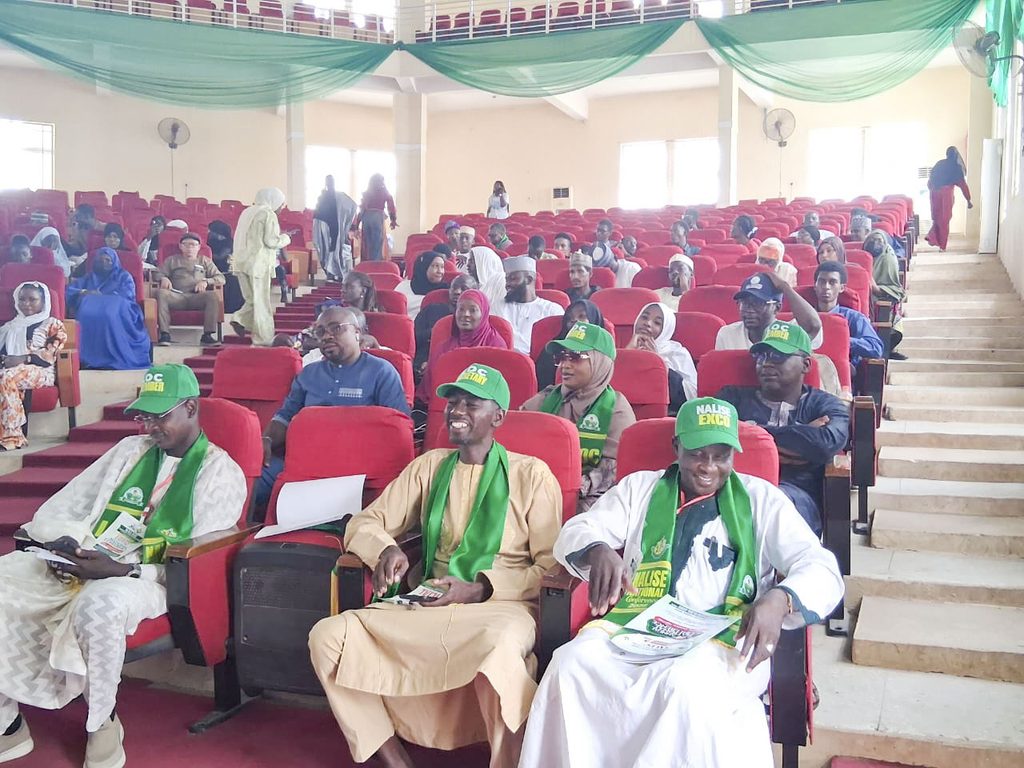
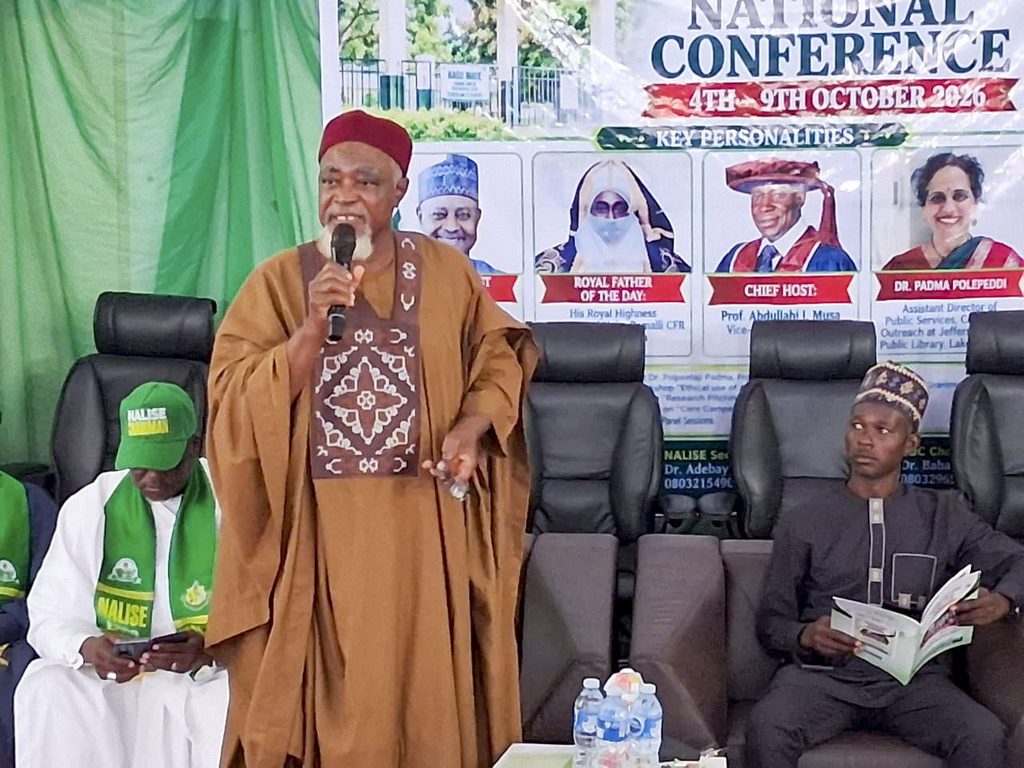
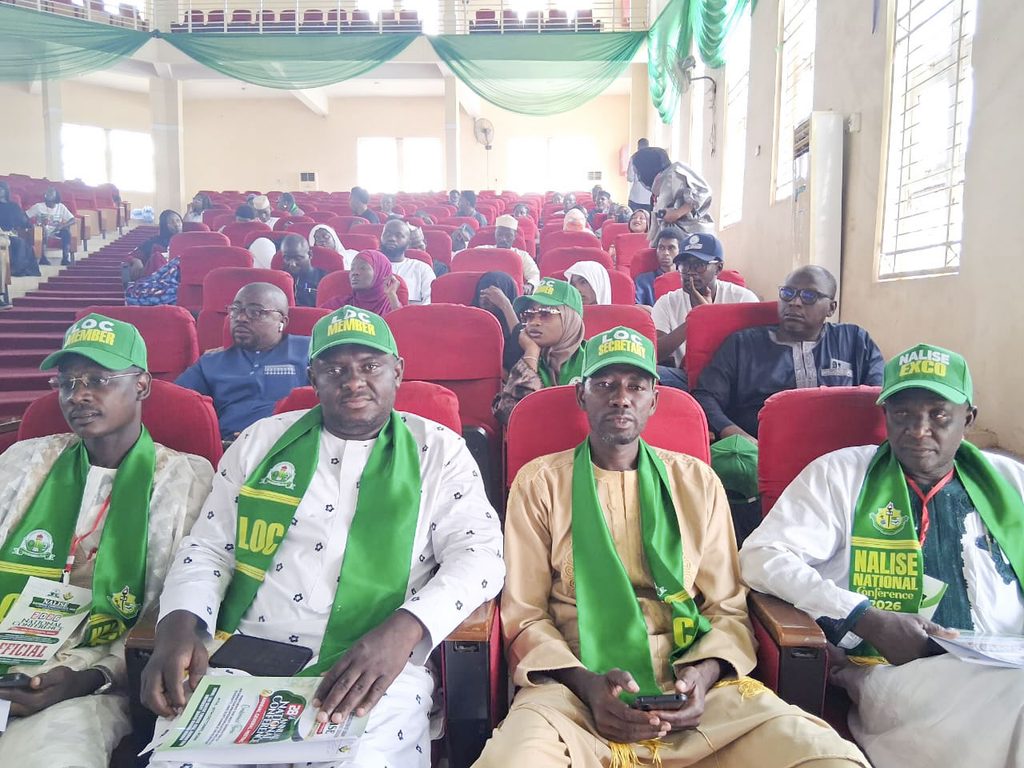
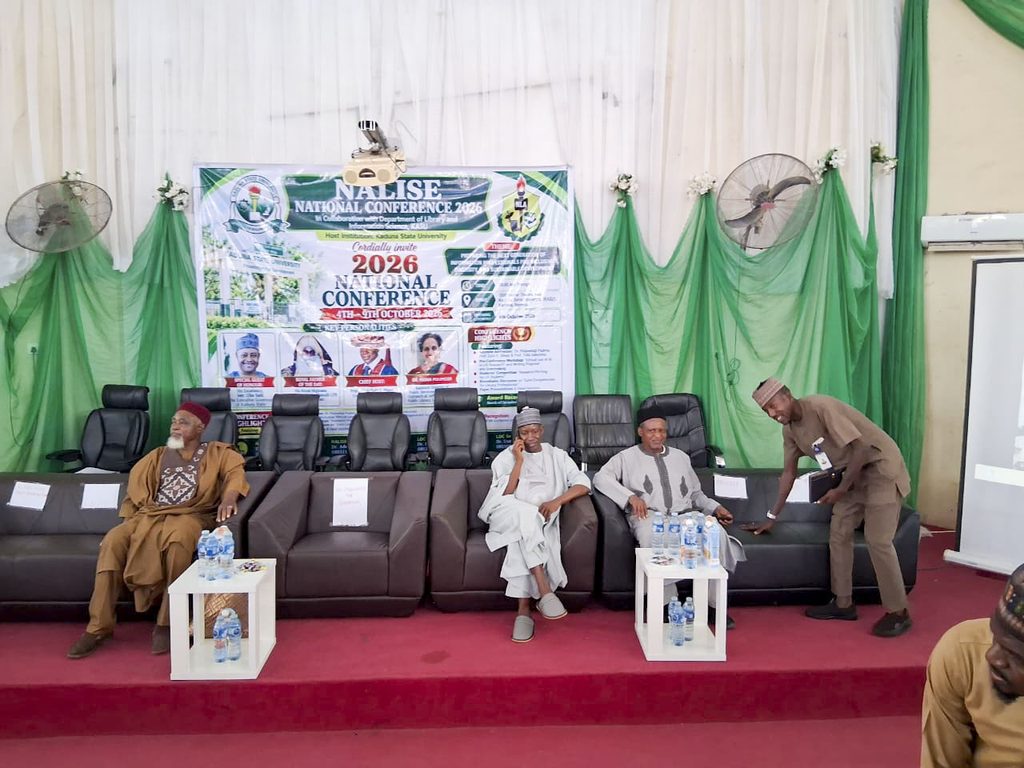
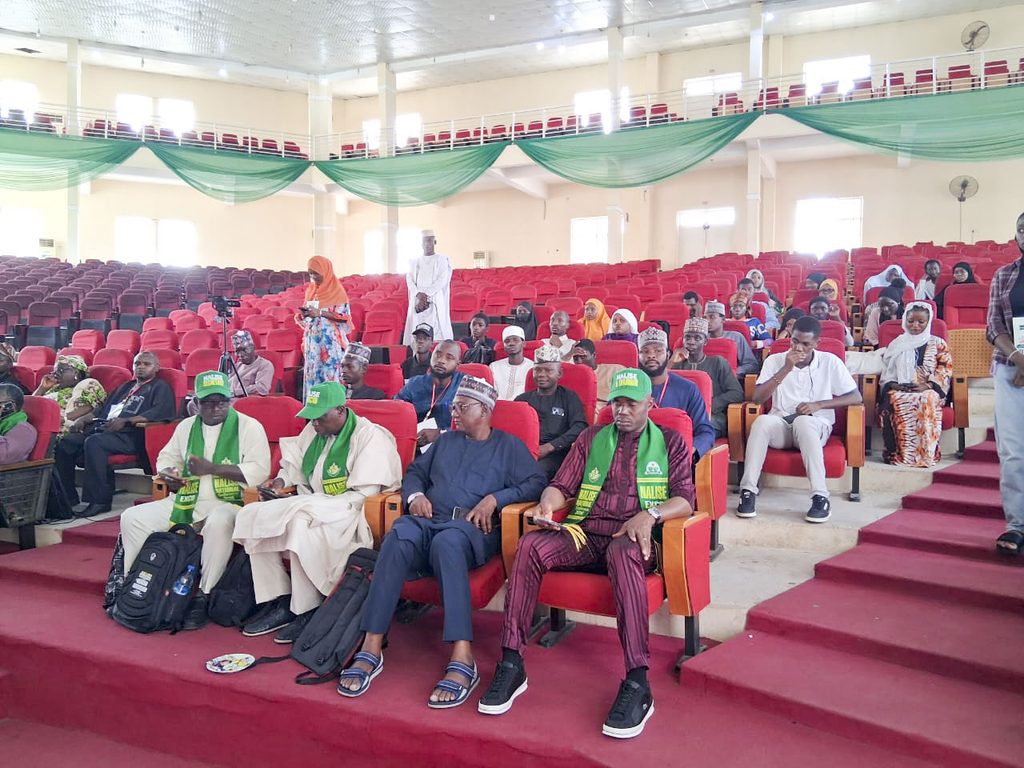
Kaduna State University (KASU) has hosted the 2026 National Conference of the National Association of Library and Information Science Educators (NALISE), organised in collaboration with the Department of Library and Information Science of the University.
The four-day national conference, which attracted participants from different parts of Nigeria, is being held under the theme: “Preparing the Next Generation of Information Professionals for Inclusivity, Diversity, and Sustainable Development.”
Declaring the conference open, the Vice-Chancellor of Kaduna State University, Prof. Abdullahi Ibrahim Musa, welcomed participants to the University and expressed appreciation to members of NALISE for choosing KASU as the host of the conference.
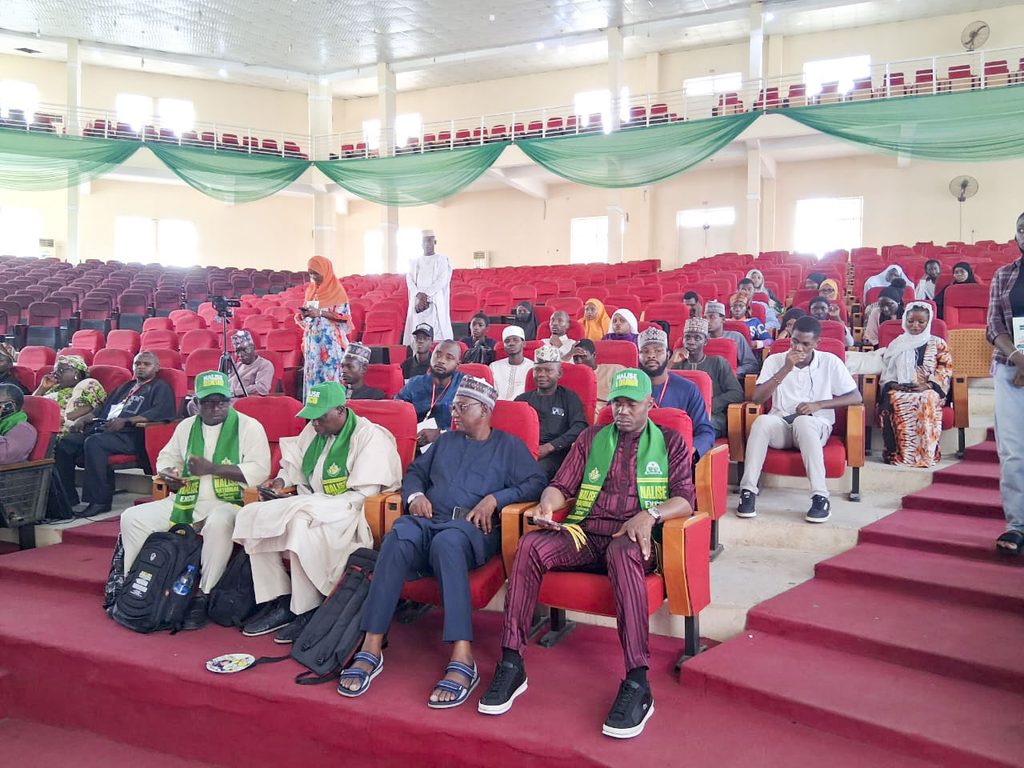
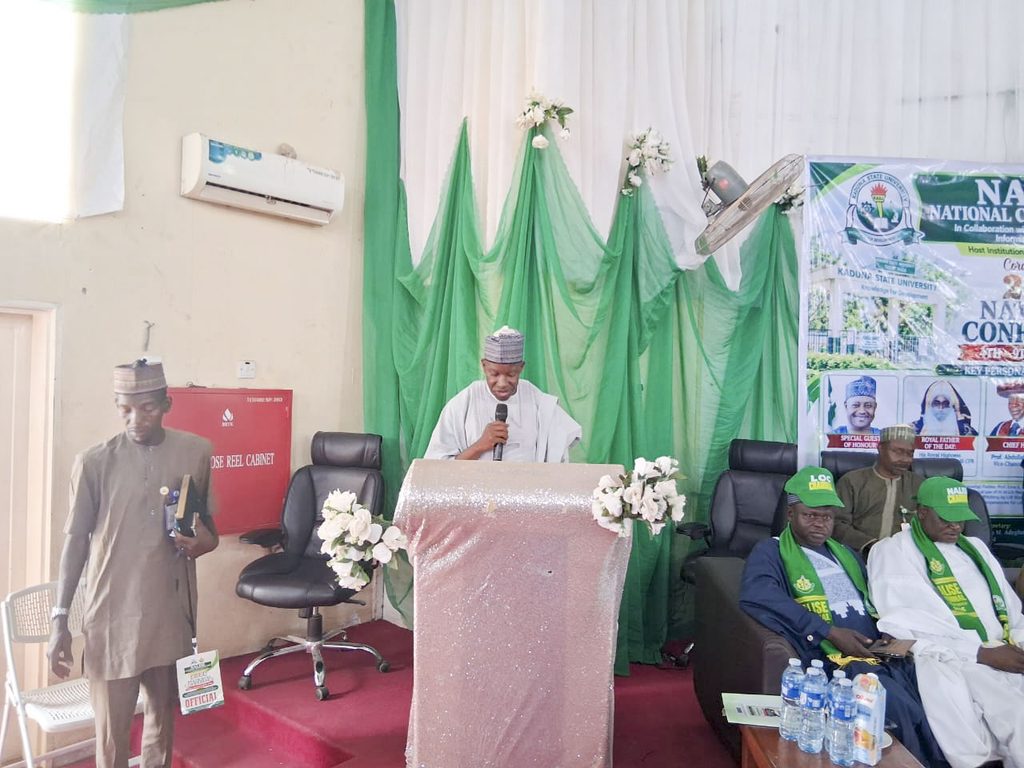
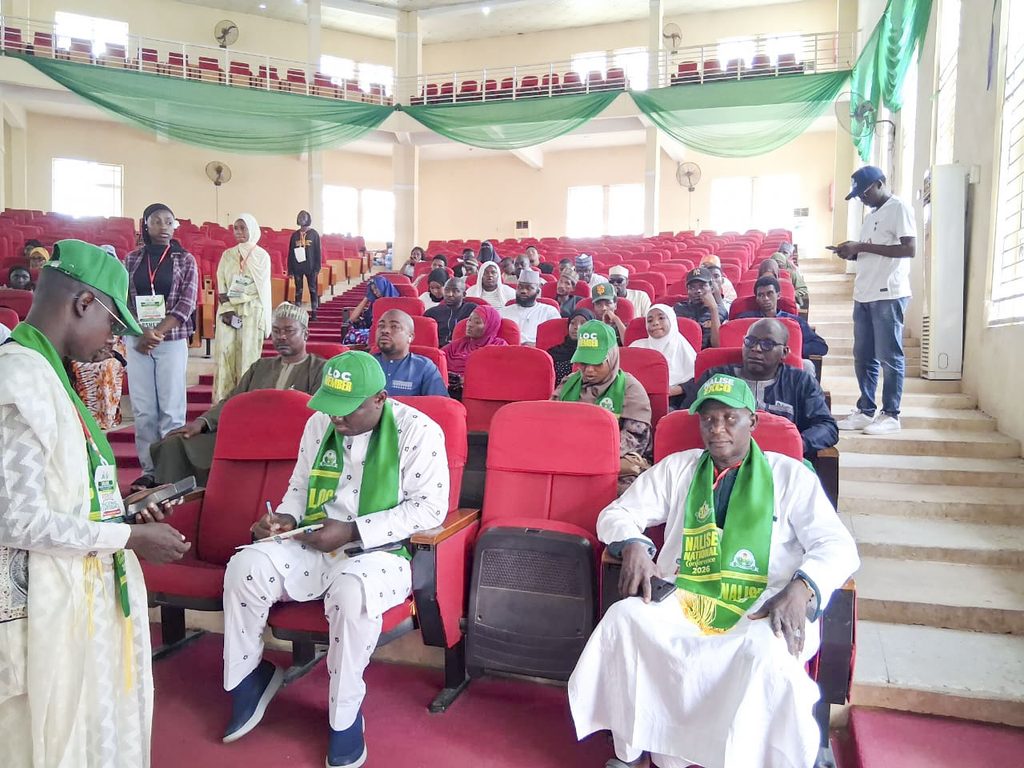
Prof. Musa also welcomed participants who travelled from different parts of the country to attend the conference, describing the gathering as an important platform for knowledge sharing, professional development and discussions on the future of library and information science.
In her keynote presentation delivered virtually, Dr. Padma Polepeddi of the Public Library Association in the United States appreciated the Vice-Chancellor and Kaduna State University for hosting the conference.
She highlighted emerging research areas across universities, particularly trends in library and information science education and research in the United States. She noted that there were numerous opportunities for research in the field and stressed the importance of engaging with international research and professional bodies, including the International Federation of Library Associations and Institutions (IFLA).
Dr. Polepeddi also spoke extensively on the ethical use of Artificial Intelligence (AI), calling for the integration of AI-related knowledge and skills into the curriculum of library and information science education.
According to her, the library and information profession is moving from an era of information retrieval towards what she described as an era of intelligence, making it necessary for professionals and students to understand emerging technologies and their implications for the profession.
She said she would take some of the issues discussed at the conference to a meeting scheduled to hold in Chicago on October 7.
Dr. Polepeddi expressed delight at the level of participation and engagement by the audience during her presentation. She, however, urged information professionals and students to use AI responsibly and ethically without abandoning human intelligence, creativity and critical thinking.
In his welcome address, the Chairman of NALISE, Prof. Manir Abdullahi Kamba, welcomed participants to the conference and described the theme as more than just a topic, but a clarion call to members of the association to take greater responsibility for preparing the next generation of information professionals.
Prof. Kamba emphasised the need for greater inclusivity in library activities, particularly by ensuring that students and other persons with special needs are adequately accommodated.
He called on library and information science professionals to work towards bridging existing gaps in the library sector and ensuring that library services are accessible to everyone.
He noted that Nigeria is a nation characterised by remarkable cultural, ethnic and linguistic diversity, stressing that library and information science professionals must not only embrace this diversity but also celebrate it.
According to him, libraries must create collections, design services and develop systems that reflect the richness of Nigeria’s national identity while also incorporating global perspectives.
Representing the Kaduna State Governor, Senator Uba Sani, and the Kaduna State Commissioner for Education, Prof. Abubakar Sani Sambo, Mr. Weham Sylvester Danborno congratulated the organisers and participants for successfully convening the conference.
He emphasised the important role played by library and information science in positively transforming the lives of individuals and communities.
Mr. Danborno said the conference provided an opportunity to explore ways of transforming libraries from analogue systems to digital platforms in response to changing technological realities.
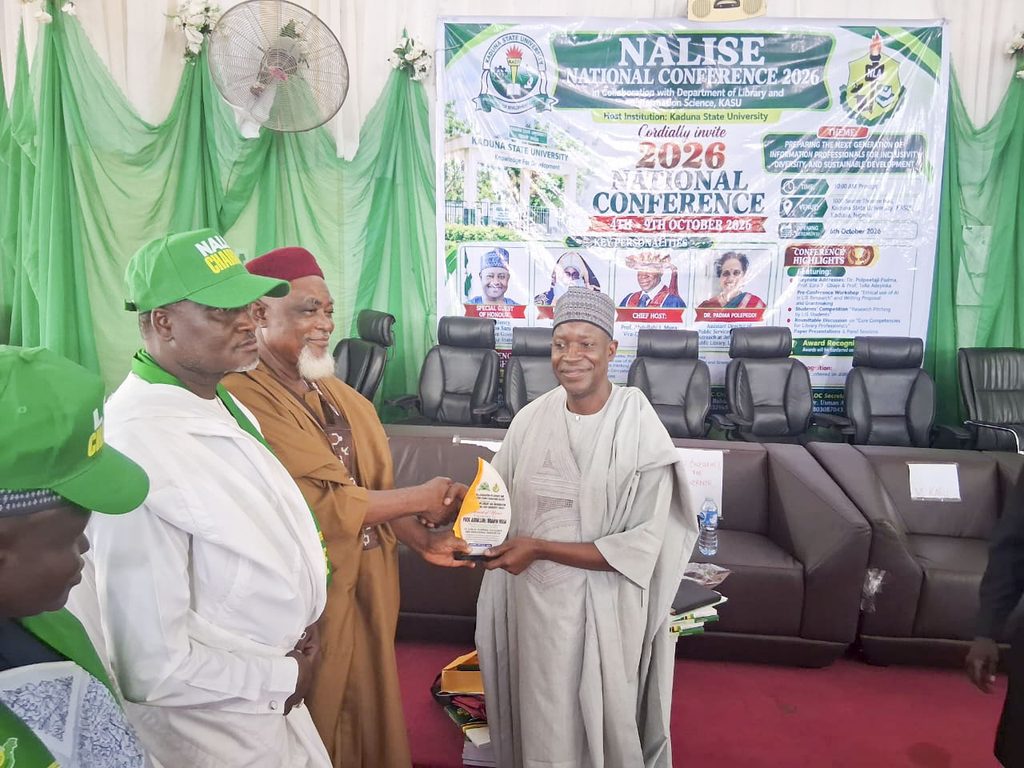
He also expressed appreciation to the association for recognising his contributions and for finding him worthy of an award during the conference.
In his remarks, the Head of the Department of Library and Information Science, Kaduna State University, Dr. Usman Adam, described the conference as timely, particularly in view of the rapid transformation taking place in the library and information science profession.
Dr. Adam noted that the conference would provide opportunities to address several issues surrounding the future of library and information science, particularly the digitalisation of libraries across the globe and the need to promote inclusivity within the profession.
He expressed appreciation to NALISE, the university management, participants and other stakeholders for their contributions towards the success of the conference.
The conference is providing a platform for academics, researchers, librarians, information professionals and other stakeholders to exchange ideas on emerging trends in library and information science, artificial intelligence, digital transformation, inclusivity, diversity and sustainable development.
The four-day conference continues with various presentations, discussions and professional activities aimed at strengthening library and information science education and preparing professionals to respond effectively to emerging global challenged.