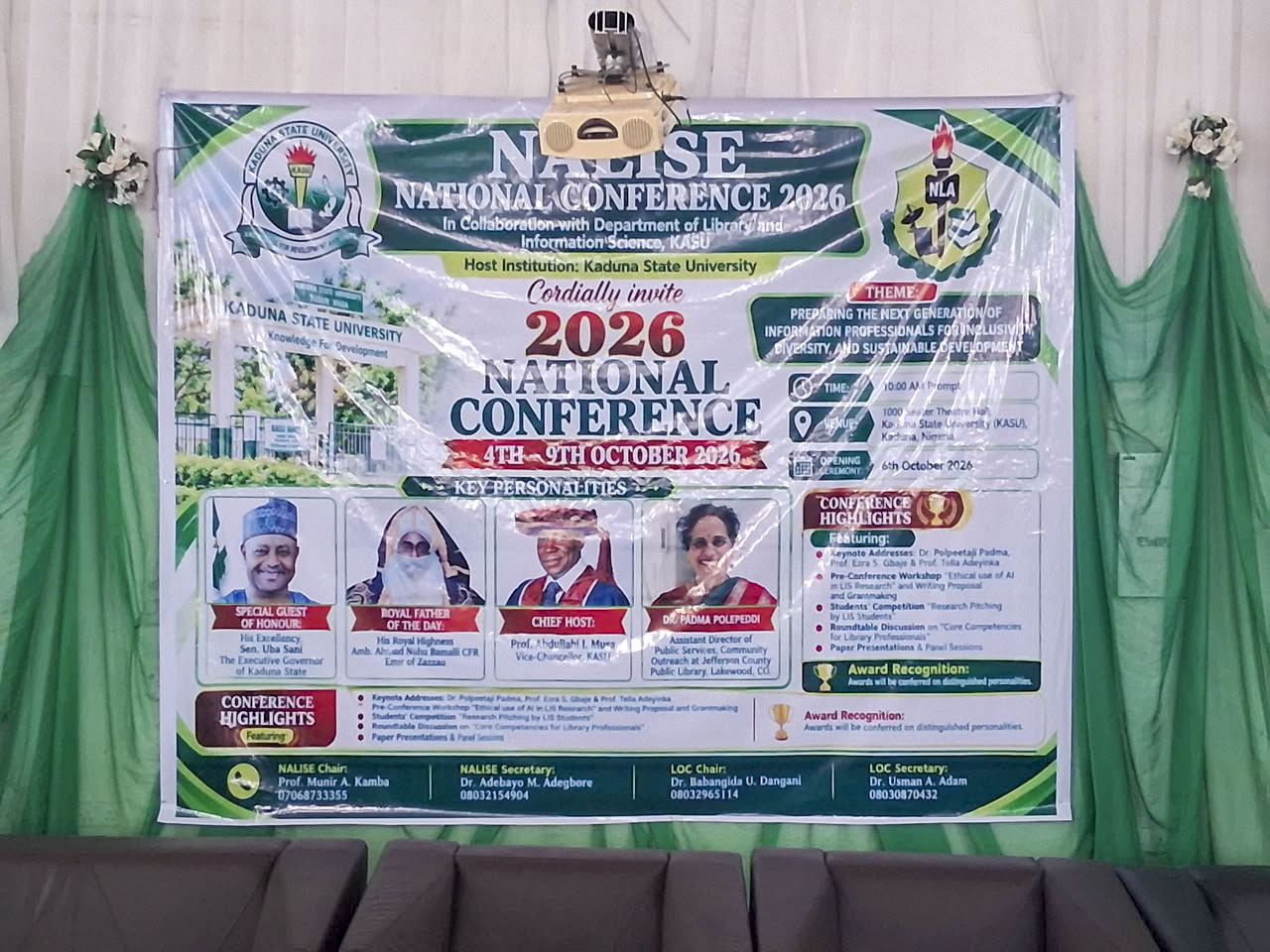
The National Association of Library and Information Science Educators (NALISE), in collaboration with the Department of Library and Information Science, Kaduna State University (KASU), has organised a four-day 2026 National Conference with the theme: “Preparing the Next Generation of Information Professionals for Inclusivity, Diversity, and Sustainable Development.”
The conference, hosted by Kaduna State University, has attracted participants from various parts of Nigeria, bringing together academics, researchers, educators, information professionals, and other stakeholders in the field of Library and Information Science.
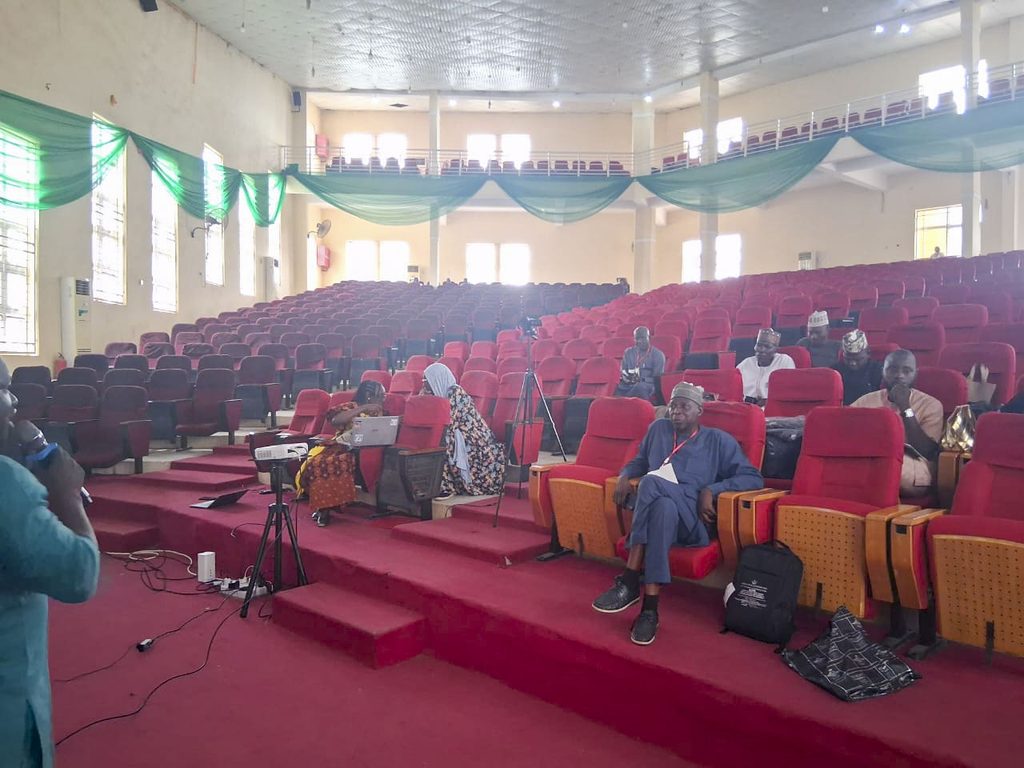
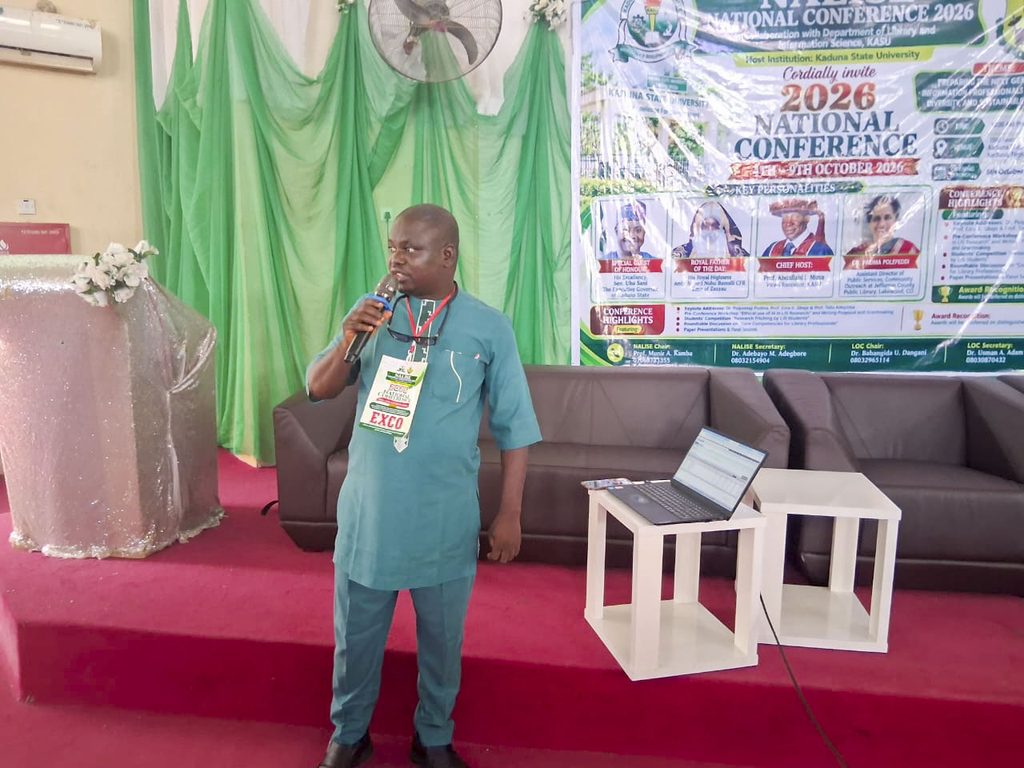
The first day of the conference featured a workshop and training session focused on the use of Artificial Intelligence (AI) in research, presented by Dr. Adebayo Murtala Adegbore.
Speaking during the training, Dr. Adegbore explained that Artificial Intelligence plays a significant role in modern research by making the research process easier, faster, and more accessible to researchers.
He, however, stressed that while AI is an important tool that can support research and learning, it should not replace the researcher’s own intellectual contribution.
According to him, researchers and students using AI should ensure that their work retains a human touch by carefully reviewing, editing, and correcting information generated by AI before incorporating it into their work.
Dr. Adegbore emphasised the need for responsible and appropriate use of AI, noting that AI should support the learning and research process rather than take over the work of the researcher or student.
He explained that a final academic submission should reflect the researcher’s understanding, analysis, evidence-based choices, and academic voice.
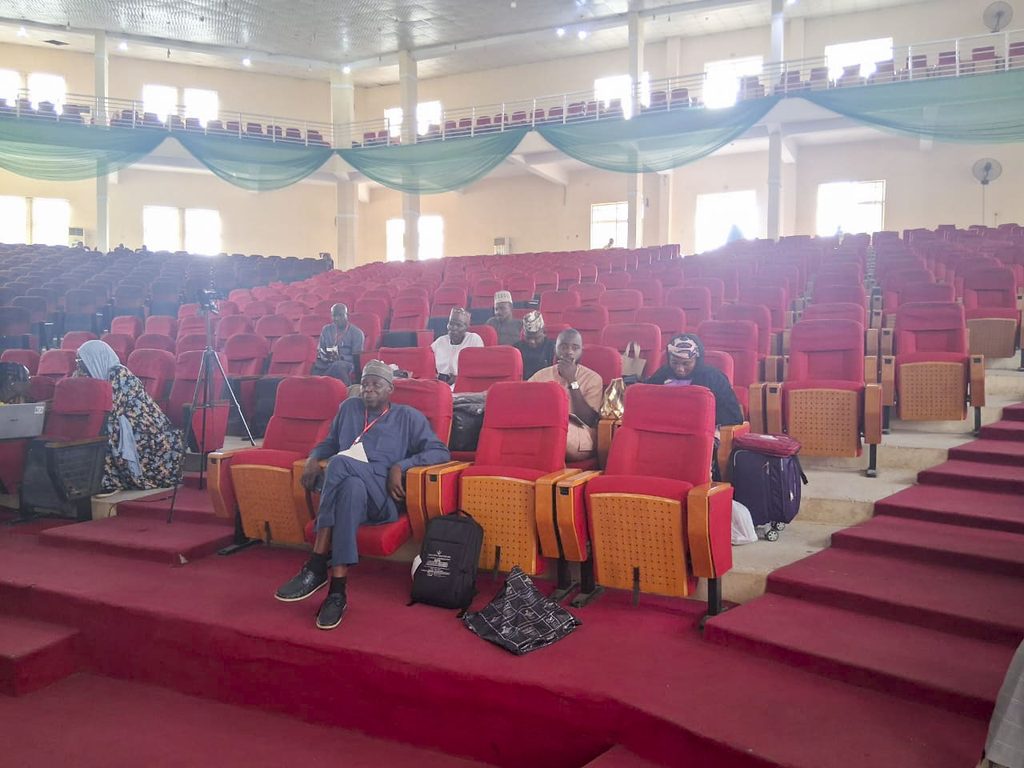
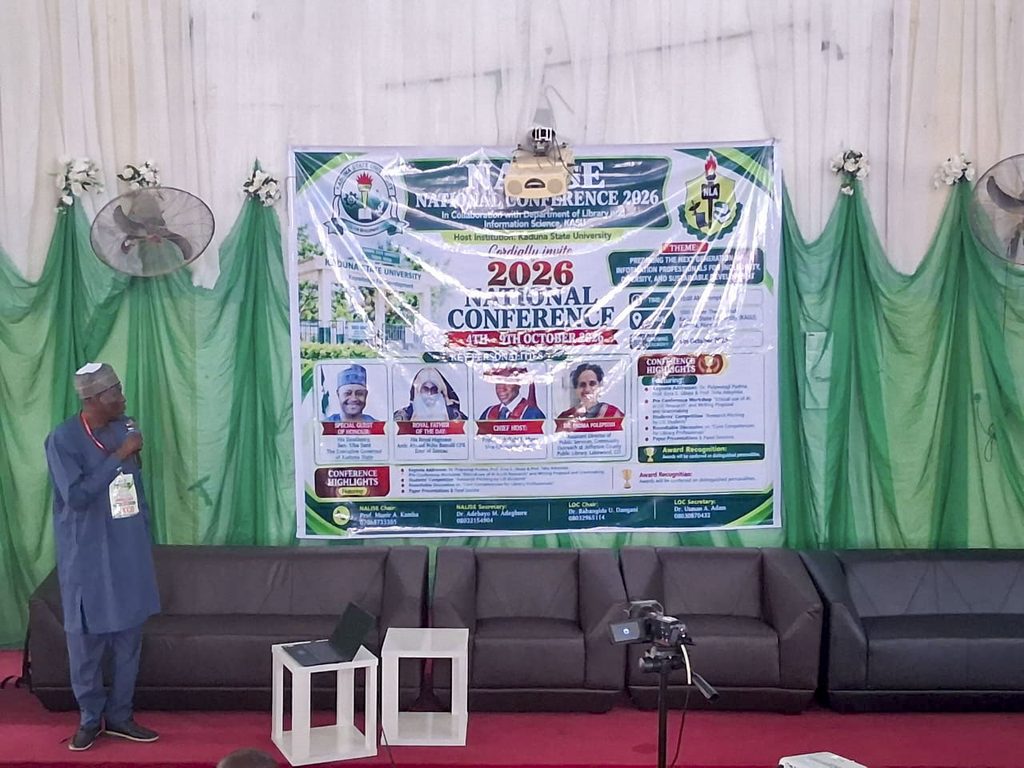
Discussing the helpful uses of AI in academic work, Dr. Adegbore said AI can assist researchers and students in generating ideas for research topics, evaluating and developing ideas, explaining difficult concepts in simpler language, and creating draft outlines that can subsequently be reviewed and revised by the researcher.
He, however, cautioned against the risky use of AI, stressing that failure to critically assess AI-generated information could lead to inaccurate information, inappropriate conclusions, or a departure from the actual focus of a research project.
He therefore advised students and researchers to exercise caution and critical judgment when using AI tools, particularly because AI-generated information may sometimes be misleading or inaccurate.
Dr. Adegbore further advised participants to check their course or institutional policies, understand the nature of the assignment, and determine what forms of AI assistance are permitted before using AI in academic work.
He noted that responsible use of Artificial Intelligence requires researchers to remain actively involved in the research process and ensure that technology serves as a supportive tool rather than a replacement for human reasoning, creativity, and academic integrity.
The four-day conference continues with discussions and activities aimed at strengthening the capacity of information professionals and preparing them to contribute effectively to an increasingly diverse, inclusive, and technology-driven society.