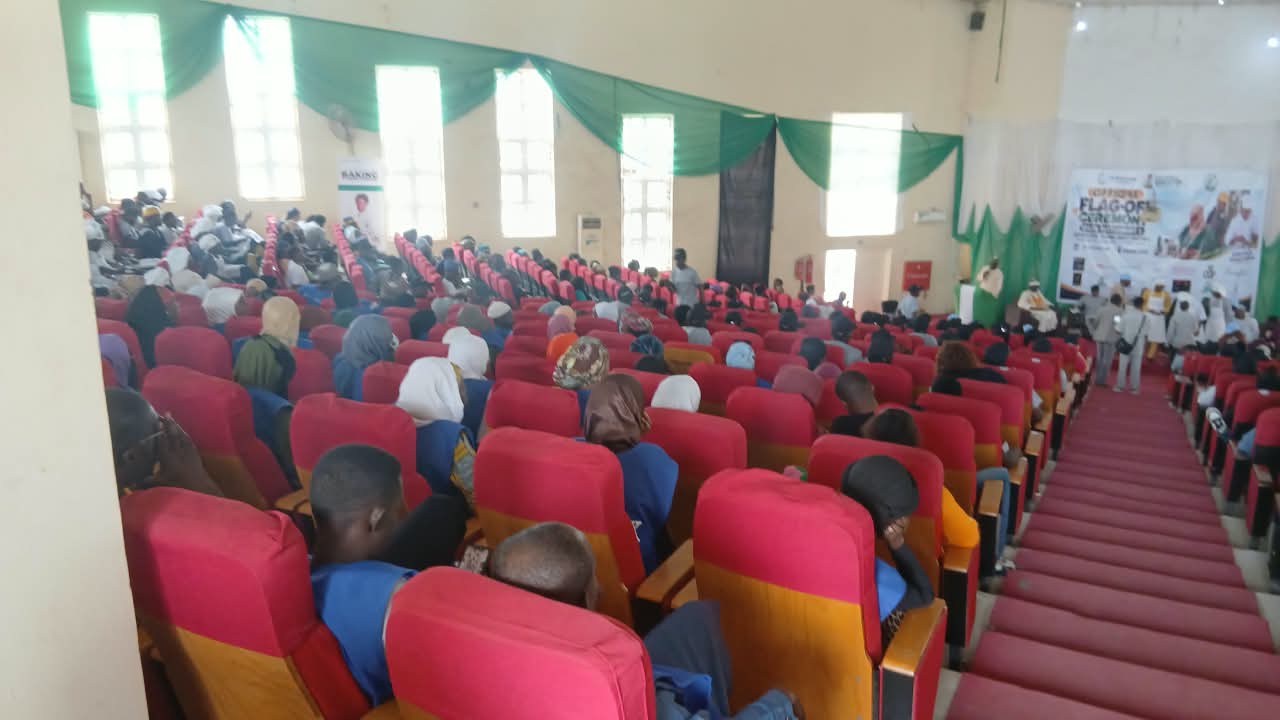
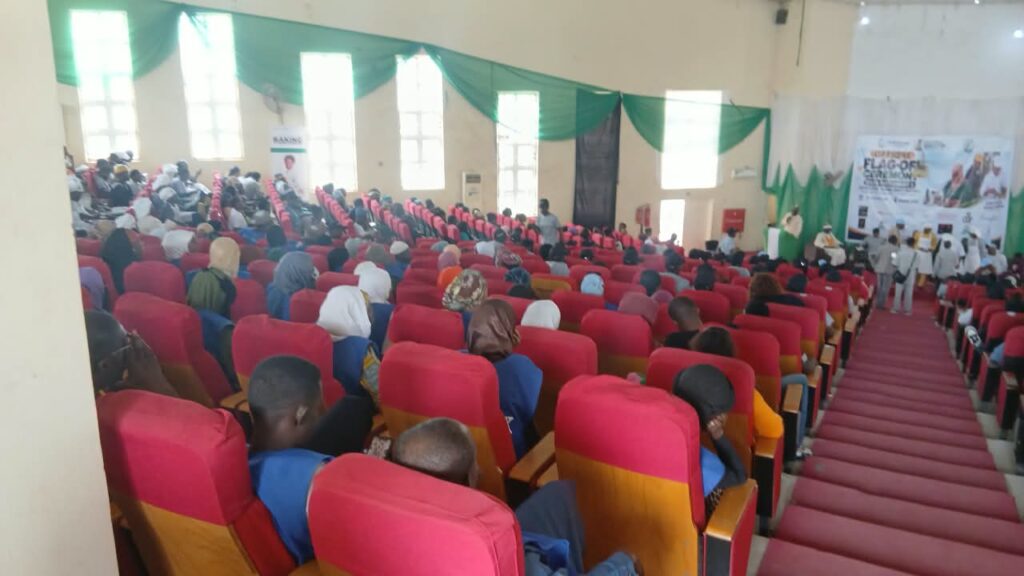
On the day Nigerian citizens were celebratiing the Nation’s Idependence anniversary, Kaduna State University community was preparing to flag off the third cohort of the Innovation Development and Effectiveness in the Acquisition of Skills–Technical and Vocational Education and Training (IDEAS-TVET) programme in a grand ceremony held at the 1000 seater multipurpose theatre. The ceremony drew stakeholders both from within and outside the academic community.
The programme, a Federal Government initiative supported by the World Bank, is designed to strengthen Nigeria’s technical and vocational skills development system by providing young Nigerians with market-relevant skills that can enhance their prospects for employment and entrepreneurship.
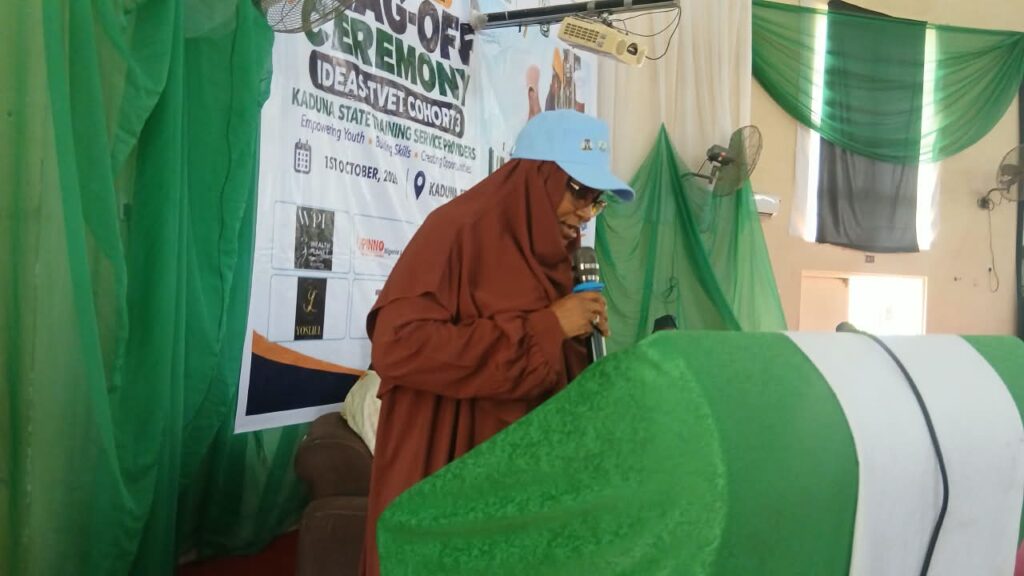
Speaking at the flag-off ceremony, the Deputy Vice-Chancellor, Administrarion, urged participants to take advantage of the opportunity and acquire skills that could provide them with sustainable sources of income. In his remarks, he said education should not be restricted to the classroom, stressing that it encompasses the totality of human experiences and should prepare individuals to address practical challenges in society.He noted that vocational and technical skills had become increasingly important in an environment where self-employment provides a viable pathway for young people seeking sustainable livelihoods.
Also speaking, the North-West Coordinator of IDEAS-TVET, Engr Sani Wada Bala, said the programme was introduced to complement conventional education with practical skills acquisition and address the challenge of unemployment among Nigerian youths. Bala explained that the initiative, launched in 2022, was designed to strengthen the link between education, skills development and the labour market by providing beneficiaries with competencies relevant to current economic opportunities.He disclosed that the programme provides free tuition to eligible trainees and stipends during the training period, while successful participants are expected to receive starter packages to enable them to establish themselves after completing their training.
There was a testimony and exhibition session, where beneficiaries and participating training service providers showcased products, projects and skills acquired through the programme.
The exhibition featured contributions from NAOSAM Academy and other participating institutions, with beneficiaries demonstrating practical competencies acquired during their training.