
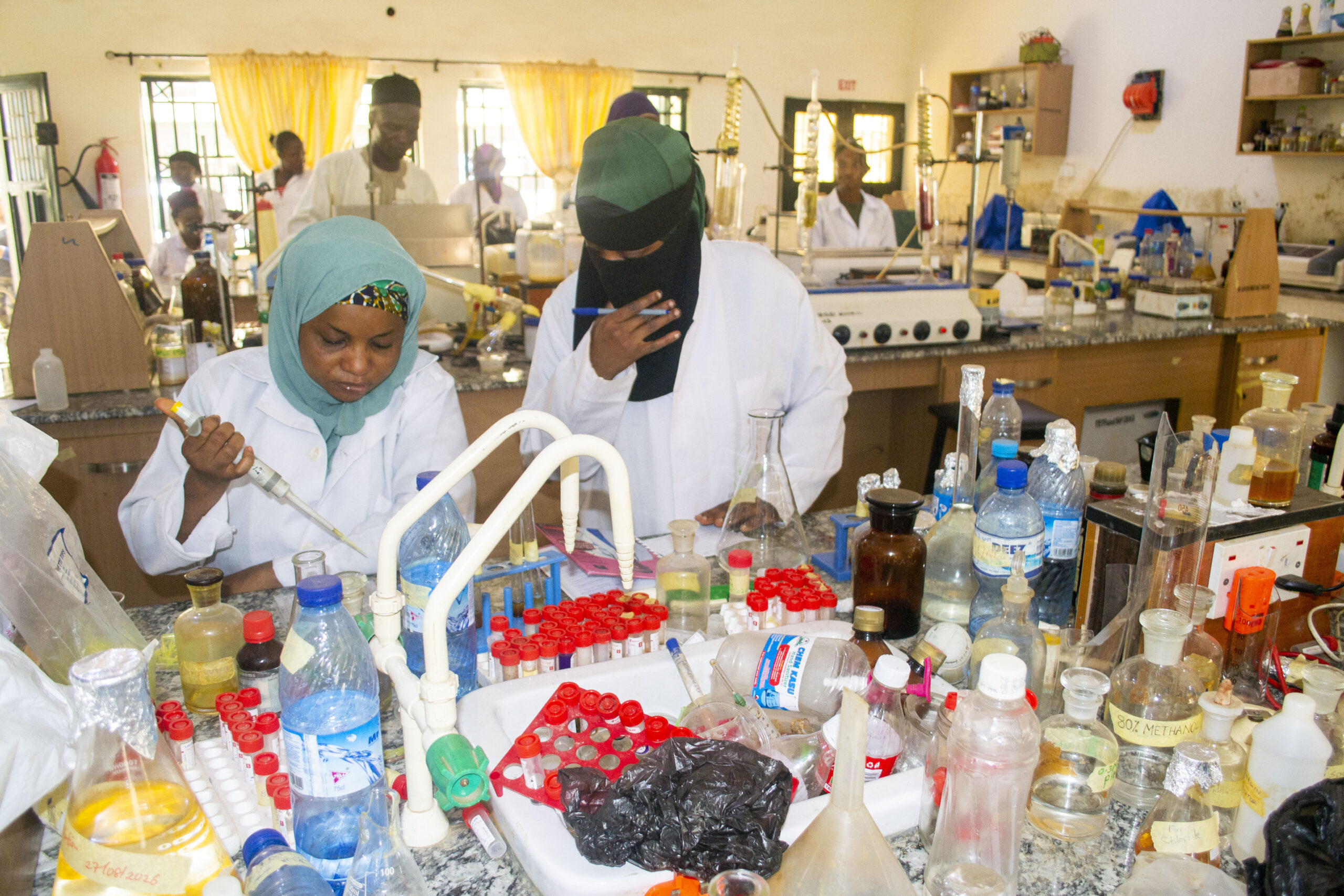
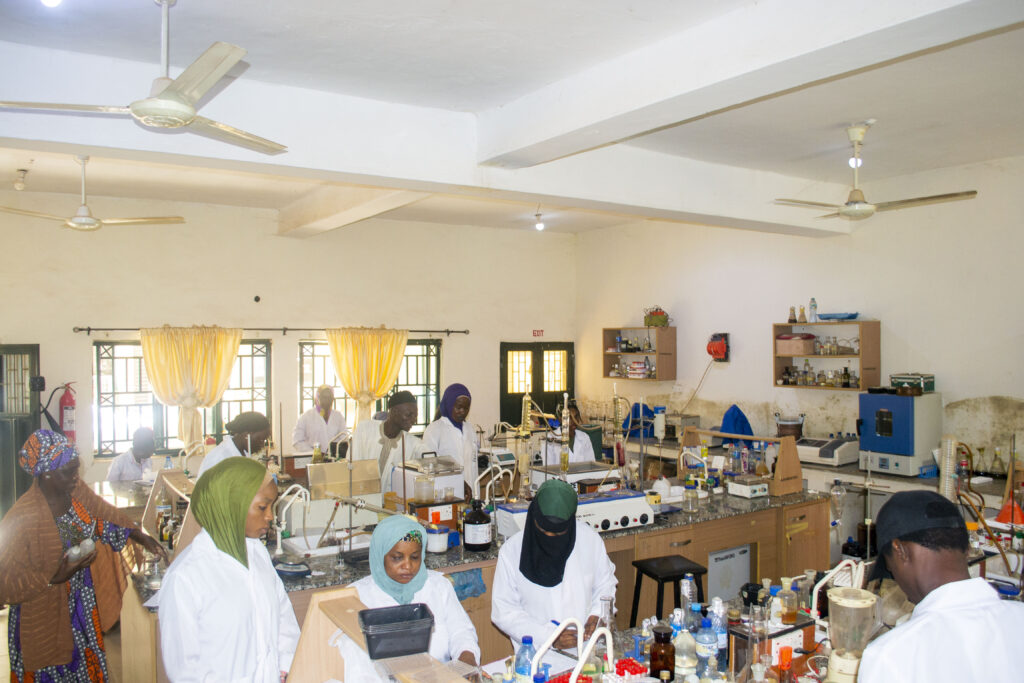
Final-year students of the Departments of Biochemistry and Biotechnology at Kaduna State University (KASU) have expressed excitement as they showcase their ongoing laboratory research projects, highlighting the importance of practical training in preparing graduates for the demands of the professional world.
The students, who are undertaking various research projects as part of their undergraduate studies, demonstrated their commitment to applying the theoretical knowledge acquired in classrooms to practical scientific investigations. Their projects reflect the role of laboratory-based learning in developing research skills, critical thinking and problem-solving abilities essential for careers in science, healthcare, biotechnology and related fields.
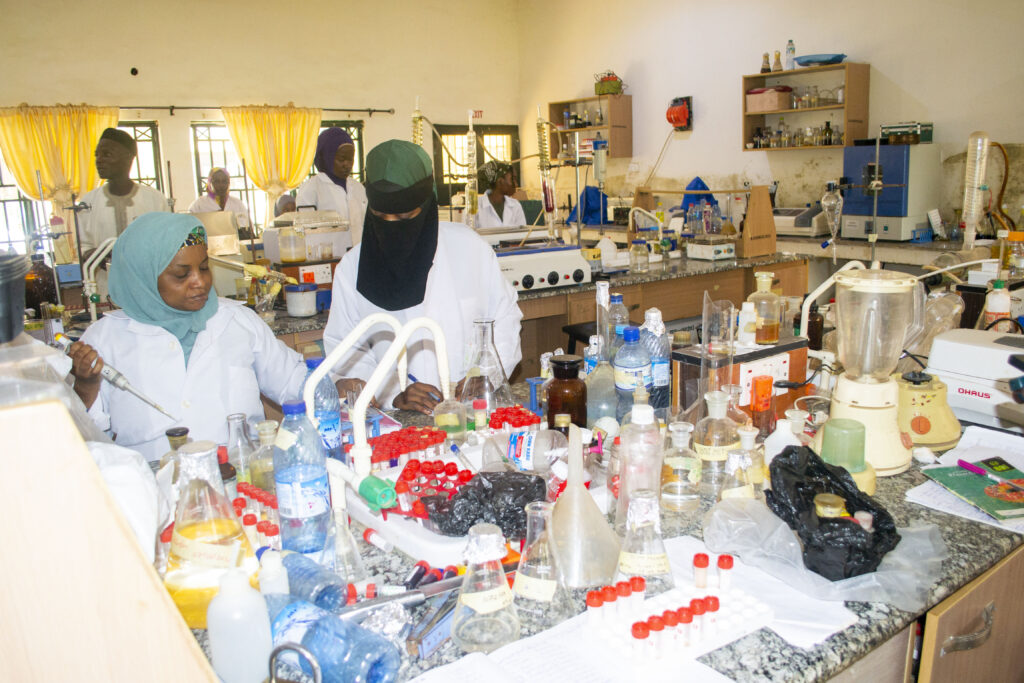
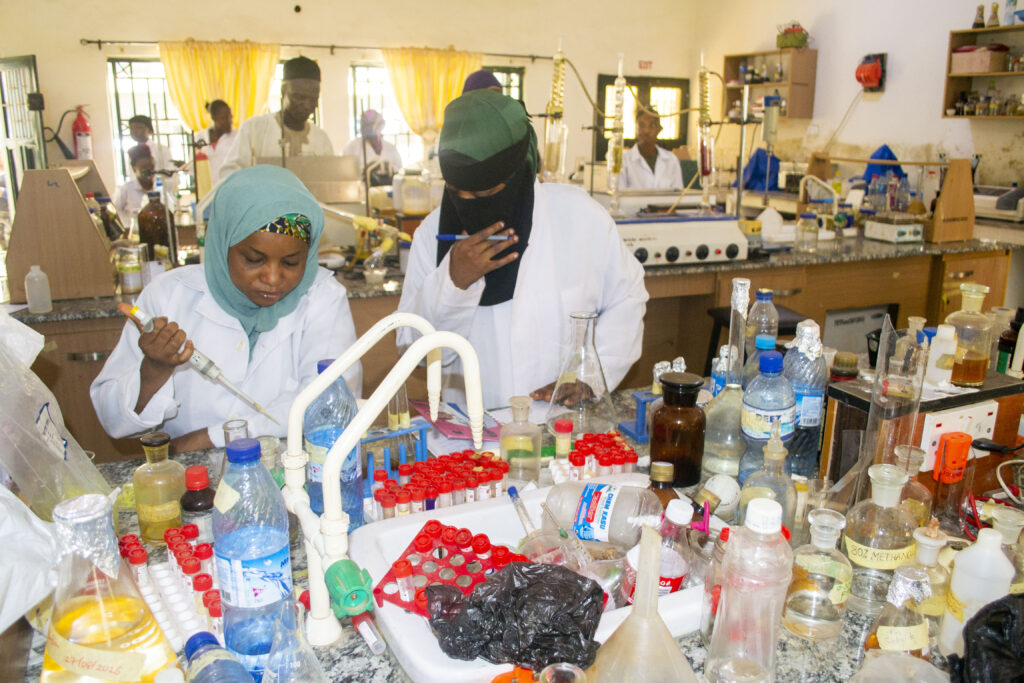
The exercise also underscored the importance of equipping students with the practical experience needed to compete favourably in the labour market after graduation.
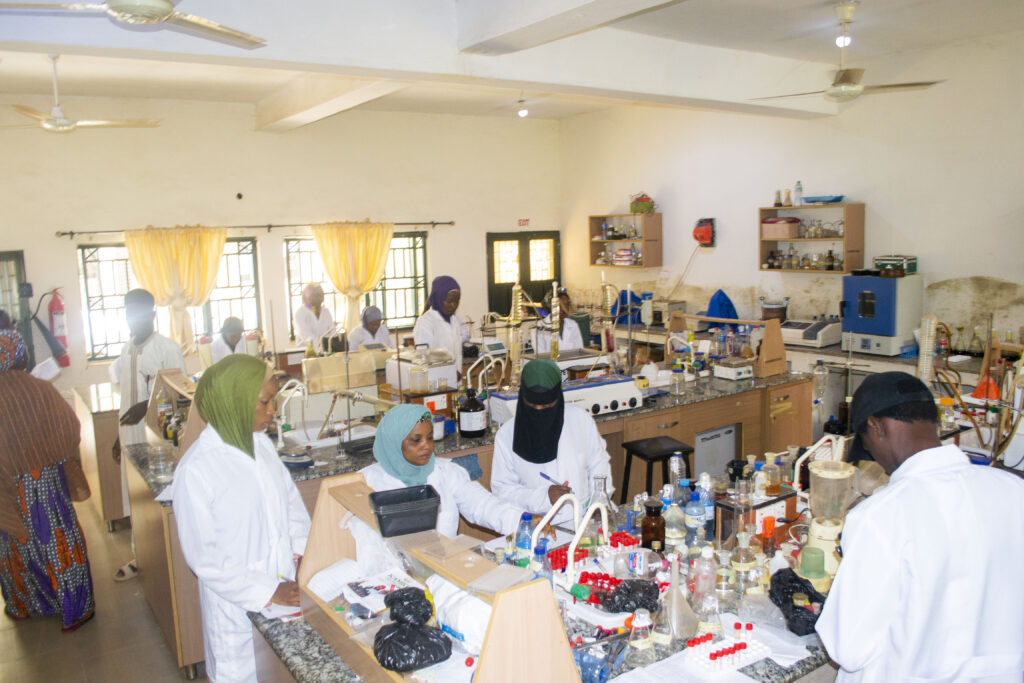
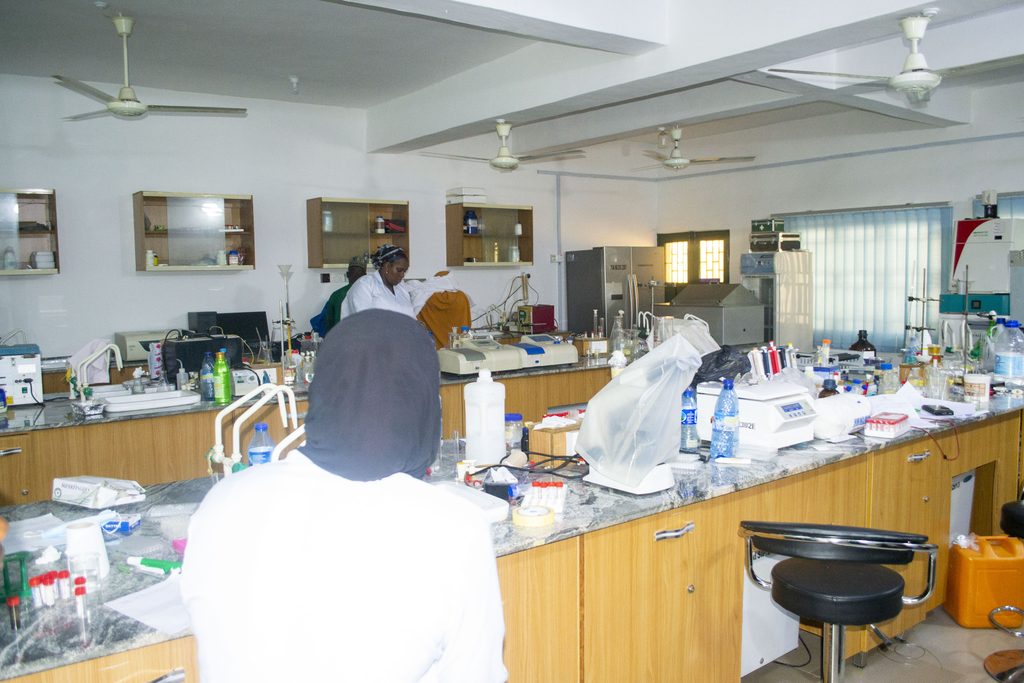
Speaking during an interaction, Hajiyya Rabiat Abubakar Idrees, Chief Technologist of the Department of Biochemistry and Biotechnology, opined the importance of effective laboratory management and timely completion of students’ research projects.
She explained that both undergraduate and postgraduate students use the department’s laboratories for their academic and research activities, noting that students are expected to complete their projects within stipulated periods ahead of their examinations.
According to her, the Head of Department has established a timeline to ensure that students complete their research work on schedule, stressing that proper time management is crucial to the successful execution of laboratory projects.
However, she highlighted some challenges affecting the smooth progress of the students’ research activities and appealed to the university management to expedite necessary interventions to improve laboratory operations and minimise disruptions.
She noted that addressing these challenges would enable students to carry out their experiments more efficiently and complete their projects within the required timeframe.
Amna Ahmed, a 400-level final-year student of the department, expressed excitement about reaching the final stage of her academic journey. She reflected on her years at the university, describing the research project experience as an important part of her training and professional development.
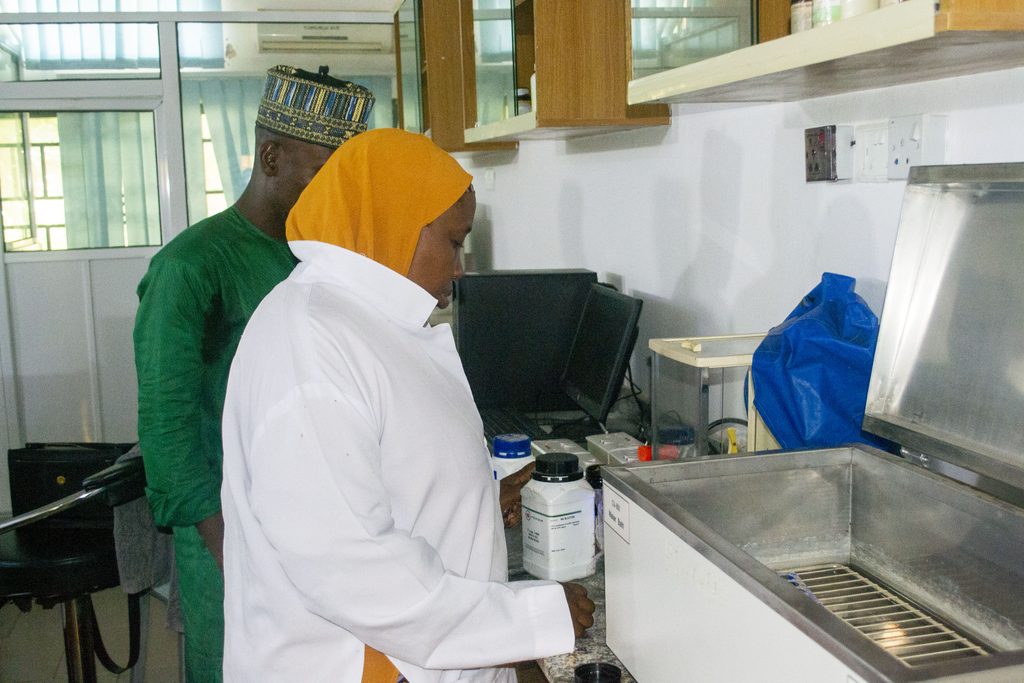
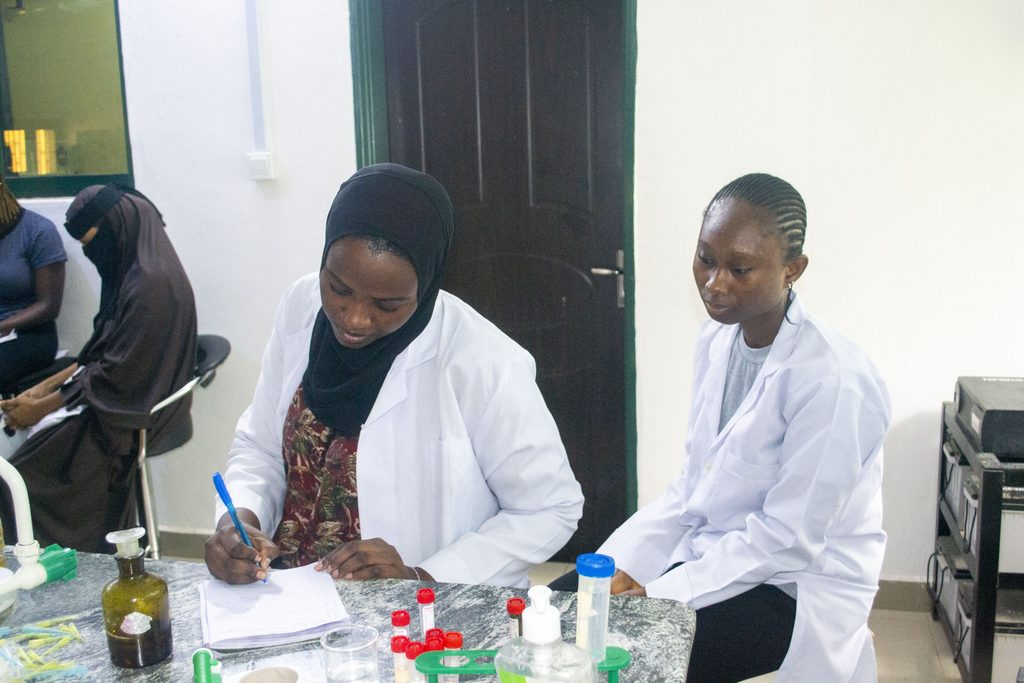
For her, the opportunity to conduct laboratory research represents a significant step towards translating the knowledge gained throughout her studies into practical scientific experience.
Similarly, Dorathy Damani, another 400-level Biochemistry student, expressed satisfaction with the progress of her research as she approaches the completion of her undergraduate programme.
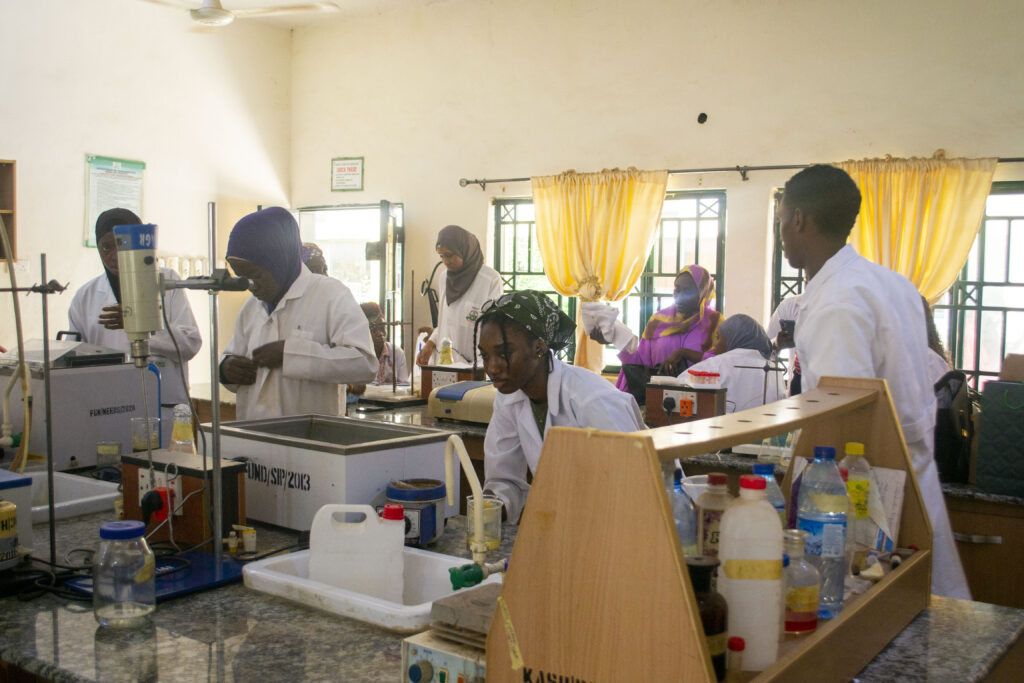
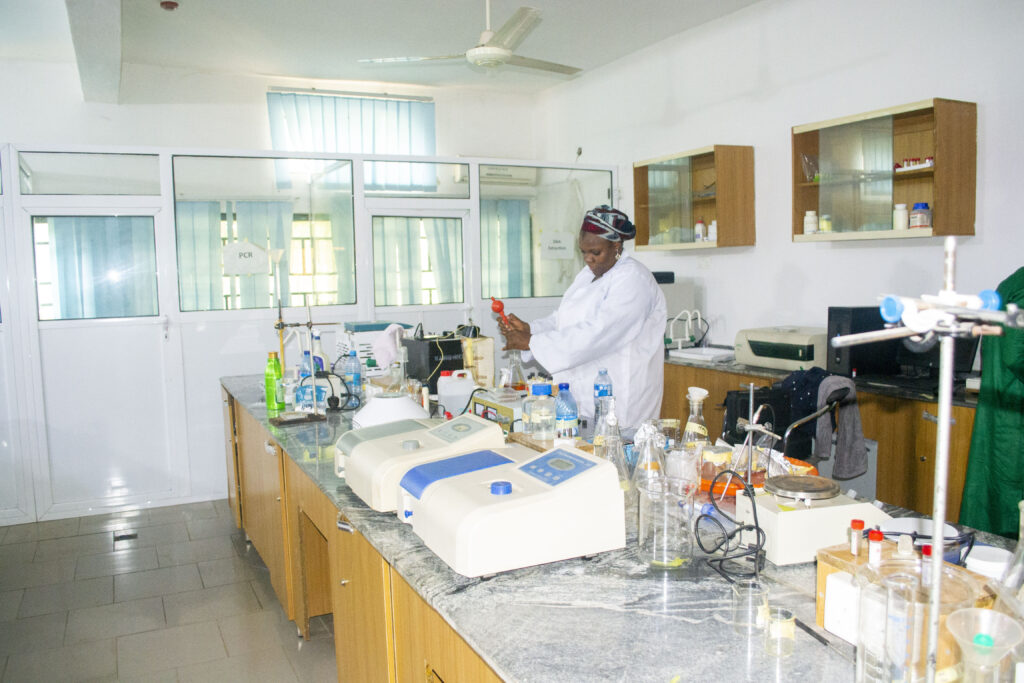
Damani disclosed that her project focuses on the bitter melon plant and its phytochemical constituents, with an interest in their potential application in addressing diabetes-related health challenges.
Her research highlights the growing interest in investigating plant-derived compounds for their possible medicinal properties. Such studies may contribute to a better understanding of natural products and their potential role in future health-related research, subject to scientific validation.
By: Ezra Bature