
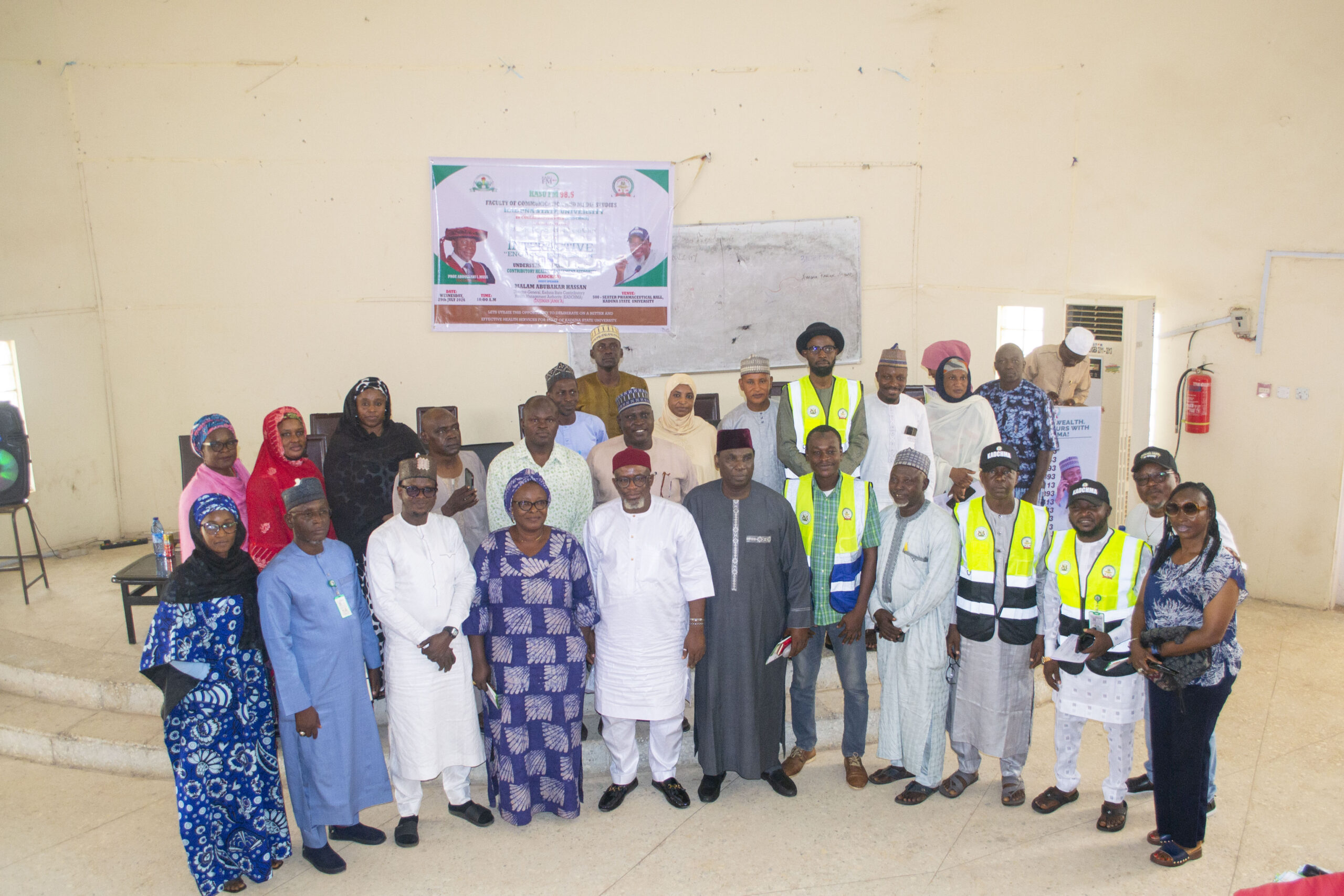
The Faculty of Communication and Media Studies, Kaduna State University (KASU), in collaboration with the Kaduna State Contributory Health Management Authority (KADCHMA) and KASU FM, has organized an interactive session aimed at promoting awareness and understanding of health insurance among students, staff, and members of the university community.
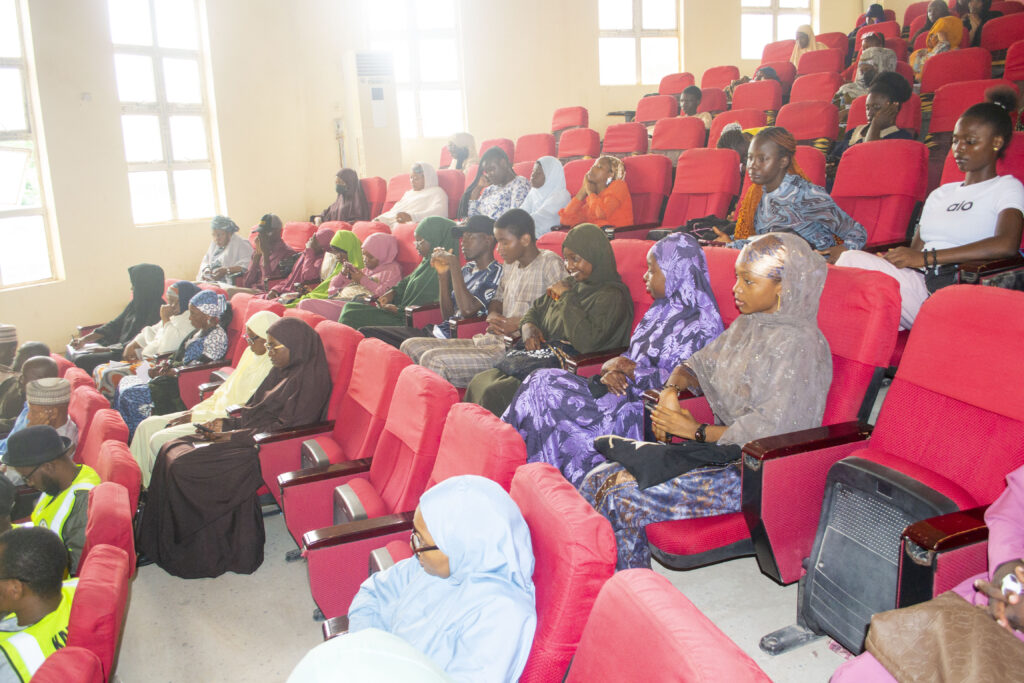
The event brought together university management, health professionals, KADCHMA officials, labour union representatives, and students to discuss the importance of health insurance, government-supported healthcare schemes, and the role of communication in driving public health education.



Representing the Vice-Chancellor of Kaduna State University, Professor Abdullahi Ibrahim Musa, Professor Ayodele Joseph urged participants to gain a clear understanding of the health insurance policies and how they operate. He emphasized the need for students to understand the payment structure of medical bills under the scheme and encouraged them to become ambassadors of health insurance awareness within their communities.
He reaffirmed the university management’s commitment to strengthening its partnership with KADCHMA and the KASU Health Services to ensure improved healthcare delivery for staff and students.
Speaking during the session, the Director of Health Services, Kaduna State University, Dr. Umar Muhammed Rabi’u, described health insurance as a vital mechanism for providing financial protection against unforeseen medical expenses through collective contributions and risk sharing.
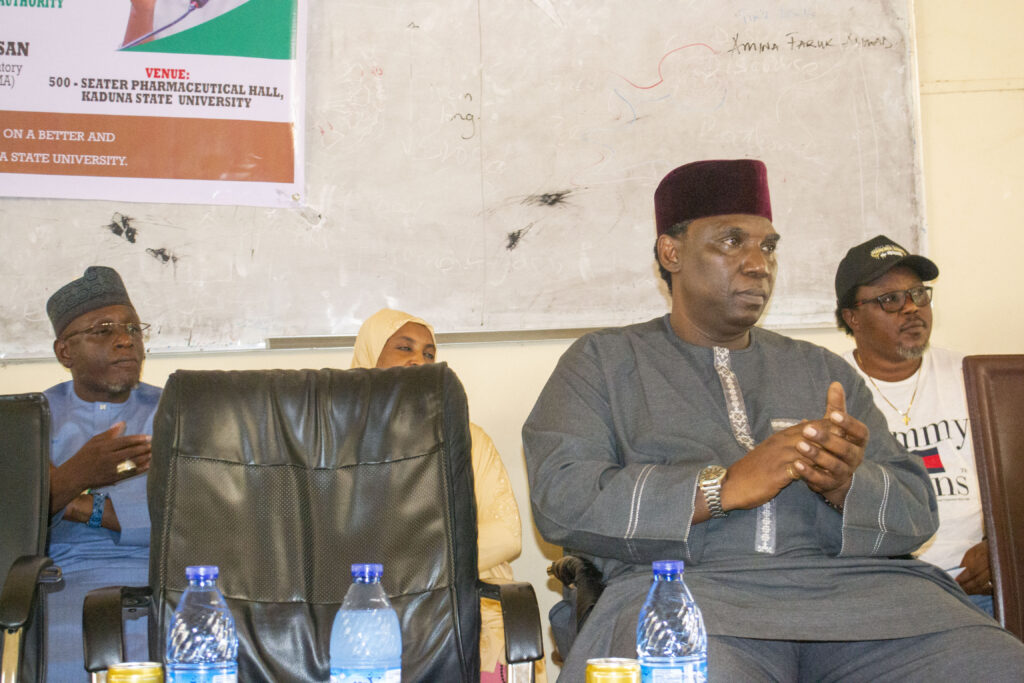
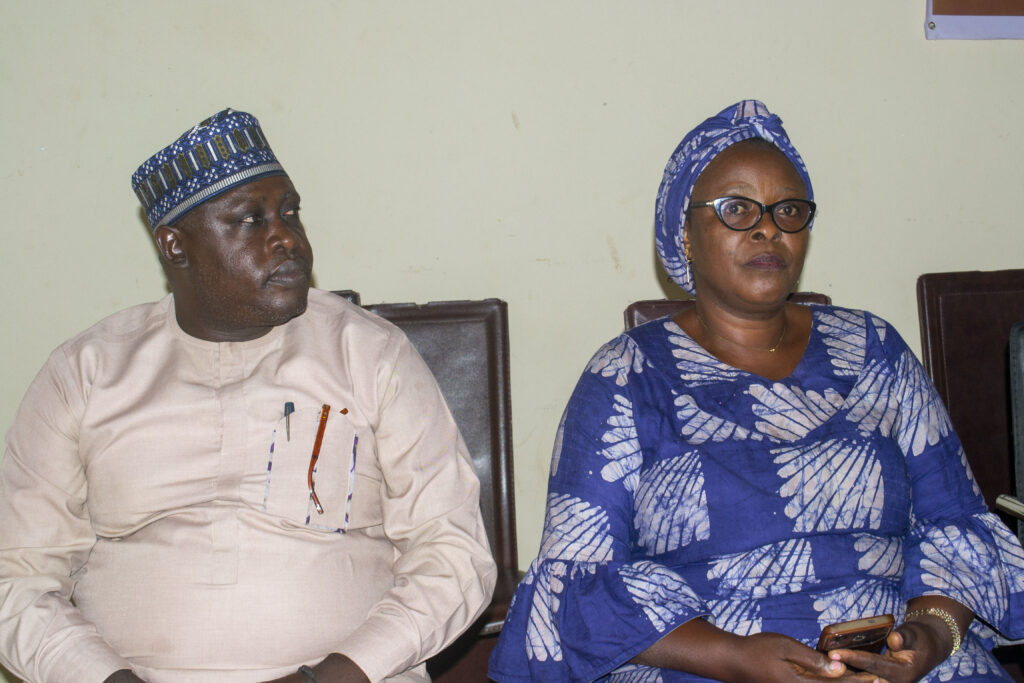

He explained that the scheme operates through two major categories: the formal sector, which covers government workers and students, and the informal sector, designed for traders, artisans, and other self-employed individuals. According to him, the KASU community is enrolled under the National Health Insurance framework, enabling beneficiaries to access quality healthcare services.
Dr. Rabi’u further highlighted the numerous benefits of the KADCHMA scheme, noting that the Kaduna State Government pays health insurance premiums for over 200,000 public servants across the state. He added that family healthcare services are also integrated into the programme and disclosed that KASU’s health facility currently has five consultant doctors providing specialized medical care.


The Director-General of KADCHMA, Malam Abubakar Hassan has disclosed that KADCHMA currently works with 23 Centres of Excellence across the state to improve access to quality healthcare services. He also stressed the strategic importance of KASU FM as a powerful platform for health communication, public enlightenment, and behavioural change campaigns aimed at increasing enrolment in the health insurance scheme.
The session was further enriched by poem presented by Zainab Salihu, a 200-level student of the Faculty of Communication and Media Studies, in appreciation of KADCHMA’s efforts toward accessible healthcare. Impressed by her performance, the Director-General pledged to sponsor her tuition fees for her 300-level academic session.
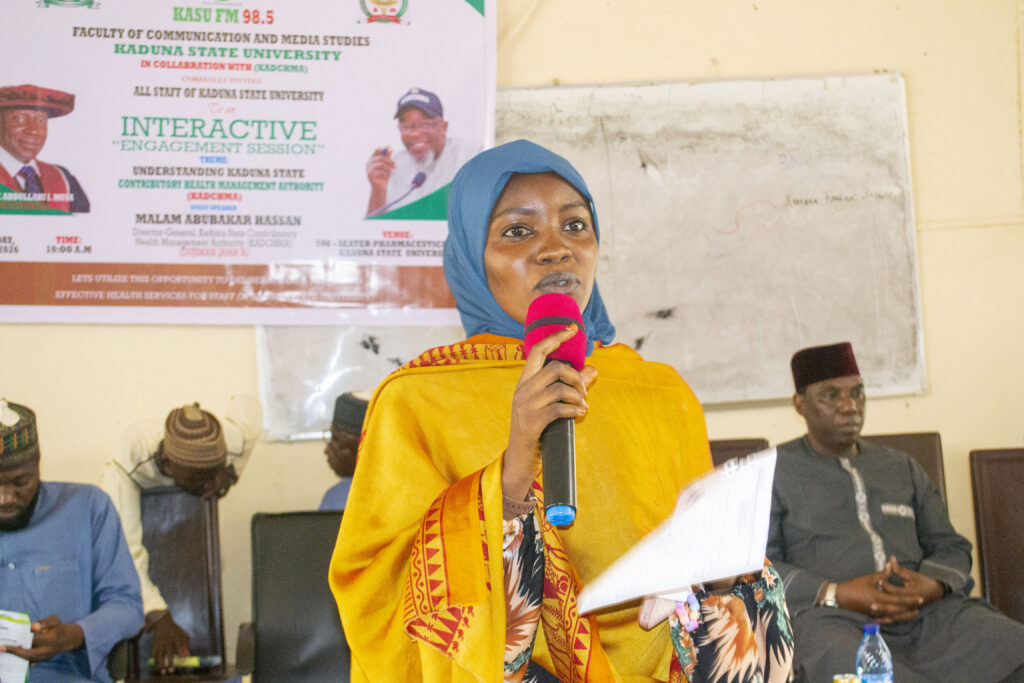
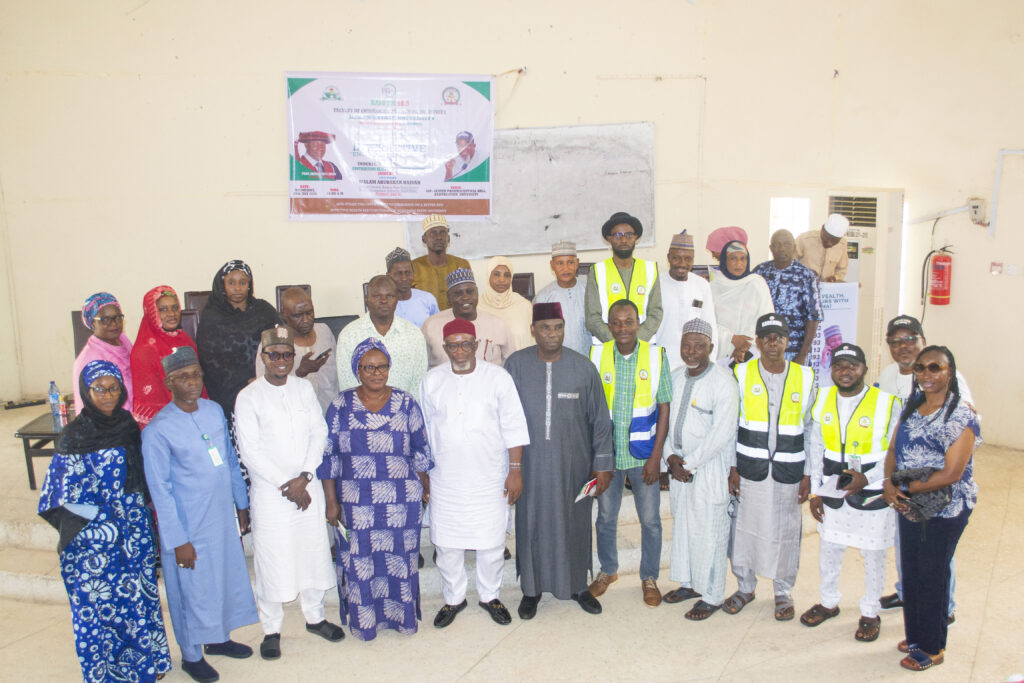
The programme featured an engaging question-and-answer session, during which participants sought clarification on health insurance enrolment, coverage, benefits, and service delivery under the KADCHMA scheme.
In separate interviews after the programme, the KADCHMA Director-General explained that Kaduna State University was selected for the engagement because of its strategic position as a centre of learning with a wide communication reach through KASU FM. He commended the university management, particularly the Vice-Chancellor, and the management of KASU FM for creating a platform that enhances public understanding of health insurance and expressed optimism that similar engagements would continue in the future.
Similarly, Dr. Umar Muhammed Rabi’u said the collaboration resulted from discussions between KASU Health Services and KADCHMA on the need to improve awareness of government-supported healthcare services. He noted that educating students and staff on the benefits of health insurance would encourage wider participation and strengthen healthcare delivery within the university community.
Well written and informative. Thanks for putting this together. this one
Bookmarked this for later. Great write-up. useful tool
Bookmarked this for later. Great write-up. recommended
This interactive session sounds like a fantastic initiative to bridge the gap in understanding health insurance. It’s encouraging to see such collaboration between KASU and KADCHMA for the benefit of students and the community. Engaging future leaders in health discussions is crucial! good resource
This initiative by KASU and KADCHMA to foster understanding of health insurance is commendable. It’s vital for students to grasp these concepts early on, especially with the increasing importance of healthcare access. Engaging discussions like these can truly shape informed future leaders. looking forward to more events like this! recommended