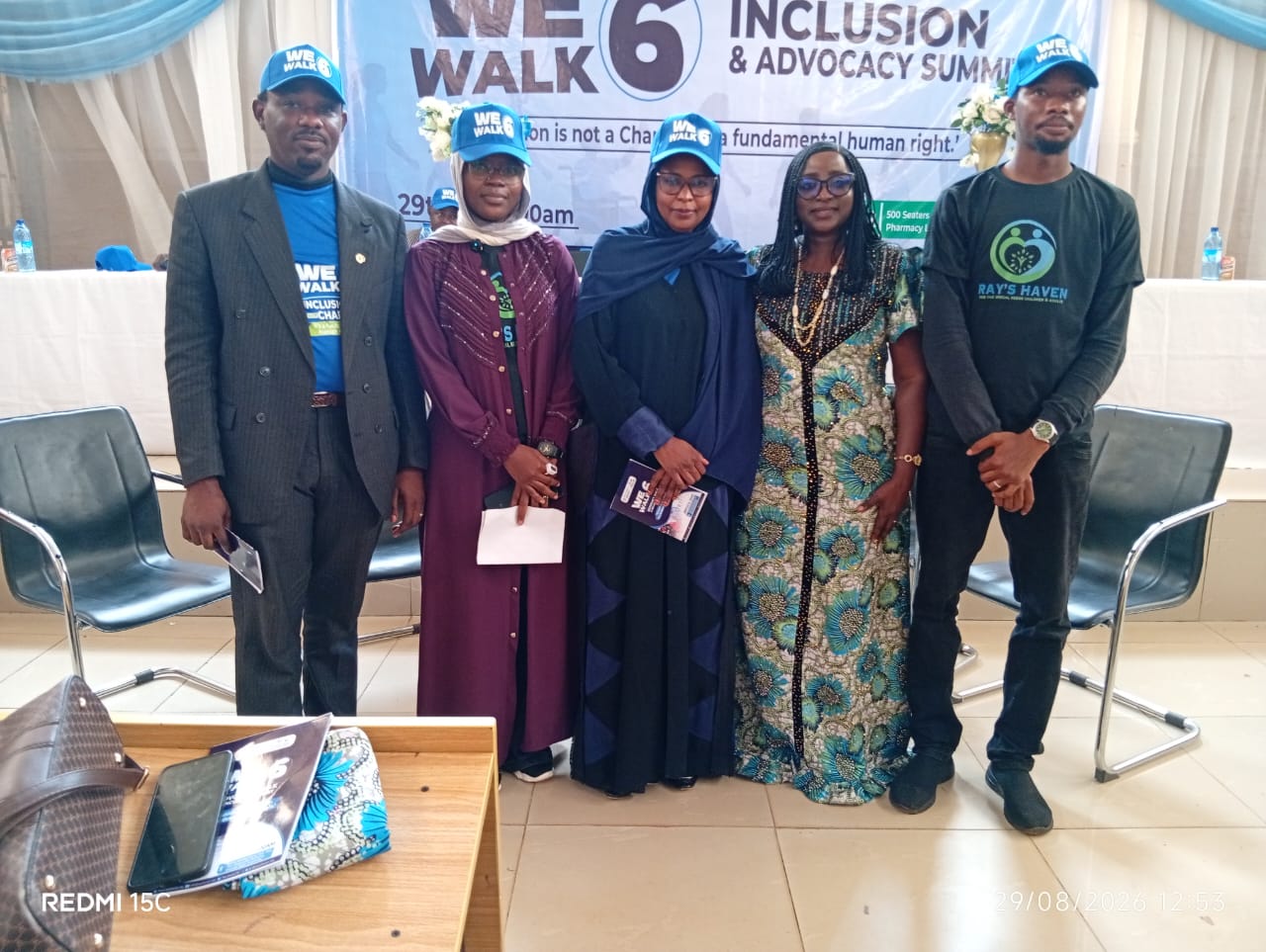
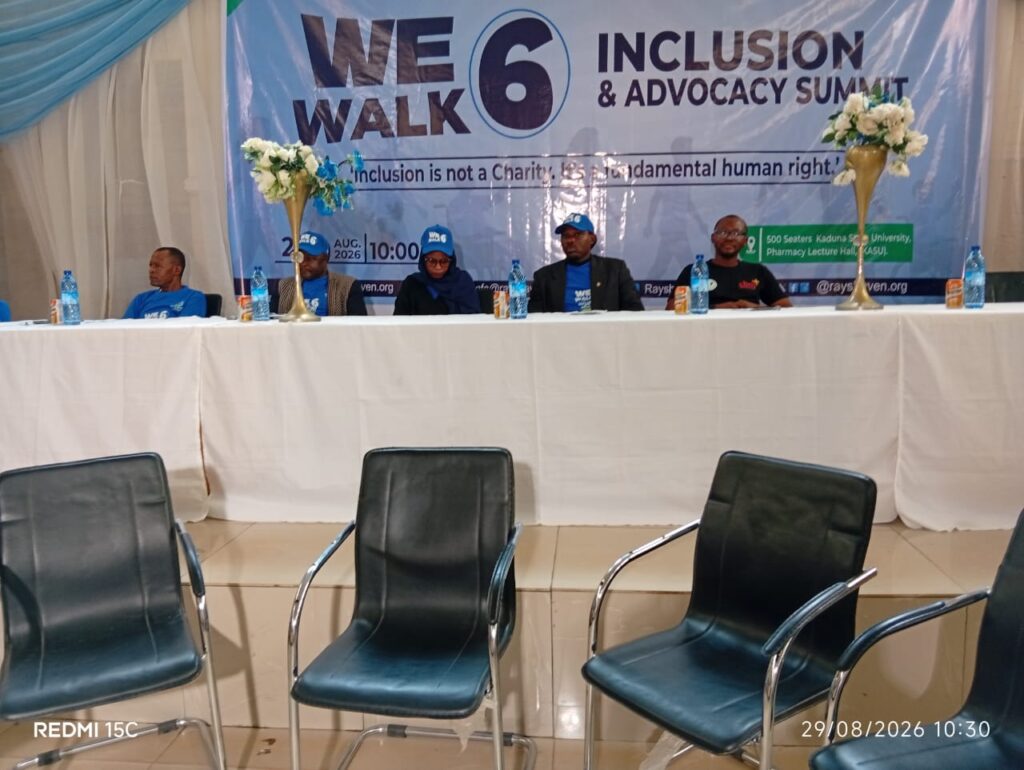
Kaduna State University (KASU), through its Department of Physiotherapy, in collaboration with Ray’s Haven for Special Needs Children and Adults, has organised the maiden edition of the “We Walk 6:
Inclusion and Advocacy Summit”, aimed at promoting the rights, dignity and full inclusion of persons with disabilities in society.
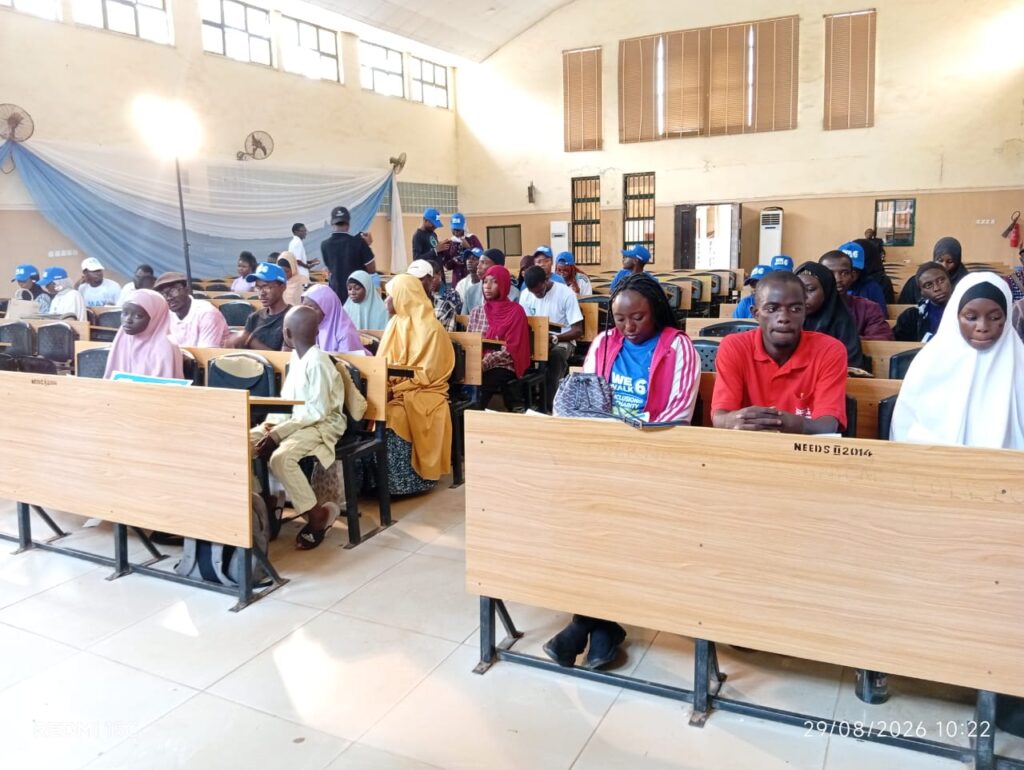
The summit, held on Saturday, 29 August 2026, at the Multipurpose Hall of Kaduna State University, was themed “Inclusion is Not a Charity, It’s a Fundamental Human Right.”
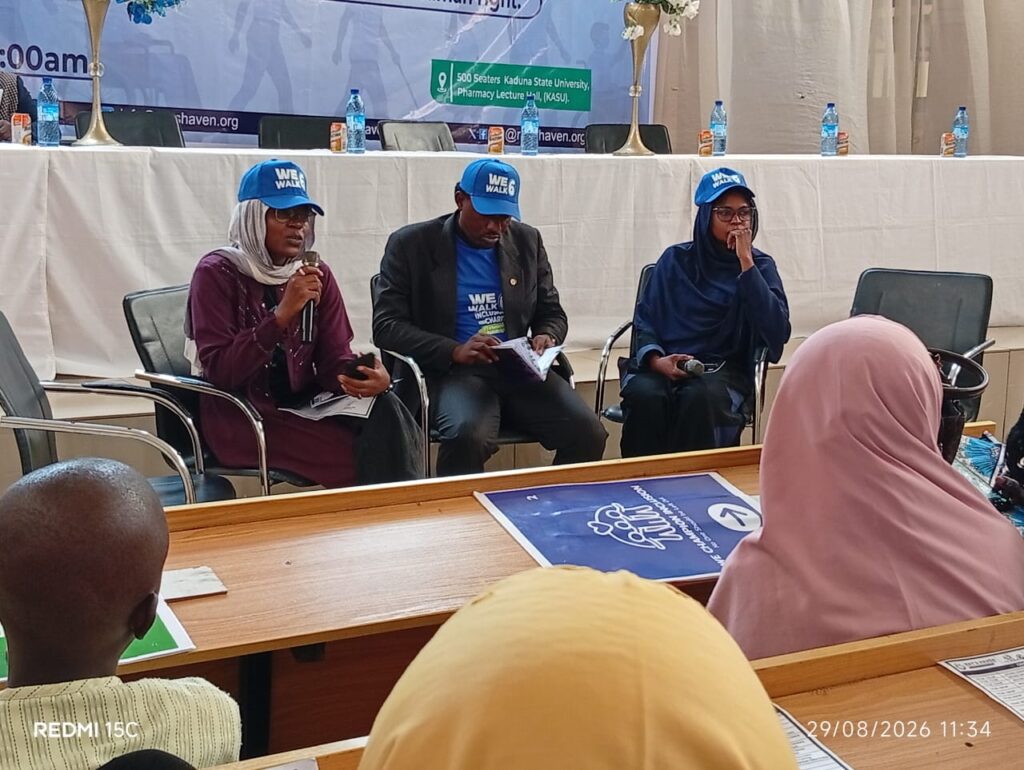
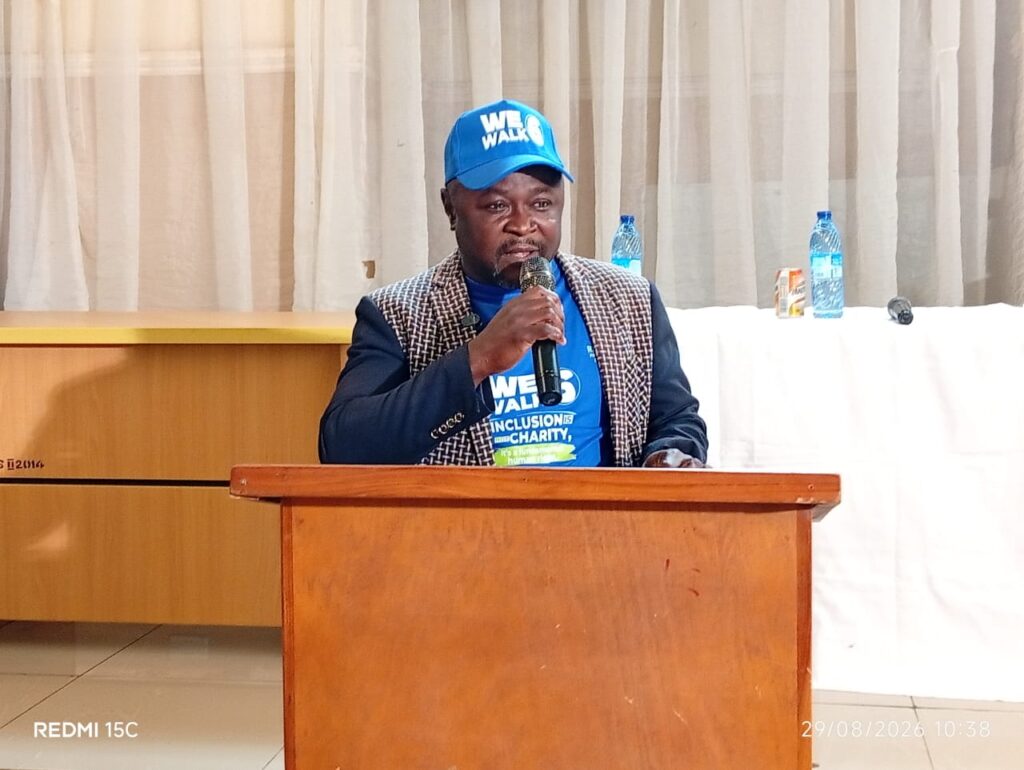
In his welcome address, the Project Head of Ray’s Haven, Mr. Sadiq Abdullateef, described the summit as the first of its kind and emphasised the need to move disability advocacy beyond awareness creation to concrete and sustainable action.
He called on persons with disabilities, parents, professionals, organisations and other stakeholders to work collectively towards identifying and eliminating the barriers that prevent persons with disabilities from participating fully in society.
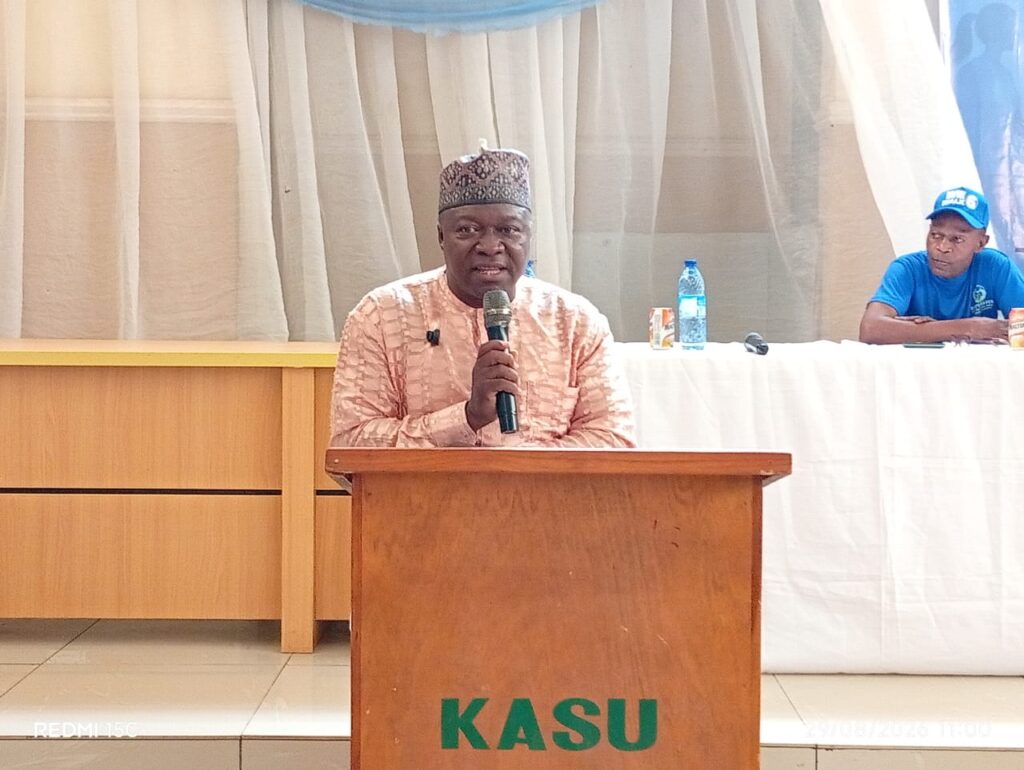
Delivering the keynote address on behalf of the Dean, Faculty of Allied Health Sciences, KASU, Prof. Adamu Ahmad Rufai, the Head of the Department of Physiotherapy, Dr. Edward Bahago, said the inclusion of persons with disabilities was essential to building an equitable and just society.
He explained that genuine inclusion would ensure that persons with disabilities feel valued and carried along, while helping to address the physical and attitudinal barriers they face.
According to him, physical barriers include inaccessible lecture theatres, toilets and other public facilities, while attitudinal barriers manifest through discrimination, stigmatisation and exclusion.
Prof. Rufai further stressed the importance of rehabilitation in addressing the specific needs of persons with disabilities and enhancing their ability to participate actively in society.
He cautioned against stigmatising persons with disabilities, noting that discrimination and negative societal attitudes could adversely affect their mental and emotional well-being.
The Dean urged stakeholders to move “from awareness to action”, while calling on parents to reject the isolation of children with disabilities and professionals to continue providing advocacy and support.
He also encouraged persons living with disabilities to recognise their value and contributions to society, stressing that they should never see themselves as a burden.
“Every child is important,” he emphasised, calling on society to recognise, nurture and support the potential of every individual, irrespective of disability.
Representing the Executive Secretary of the Kaduna State Persons with Disabilities Affairs Board, Hajiya Rakiya A. Umar, Mr. Habila Bakut said the Kaduna State Government was taking steps to improve accessibility for persons with disabilities across the state.
He said government was working towards ensuring that public facilities, including schools, hospitals and markets, provide accessible pathways and facilities for persons with disabilities.
Mr. Bakut also highlighted government initiatives aimed at empowering persons with disabilities through skills acquisition and other programmes designed to promote self-reliance and economic independence.
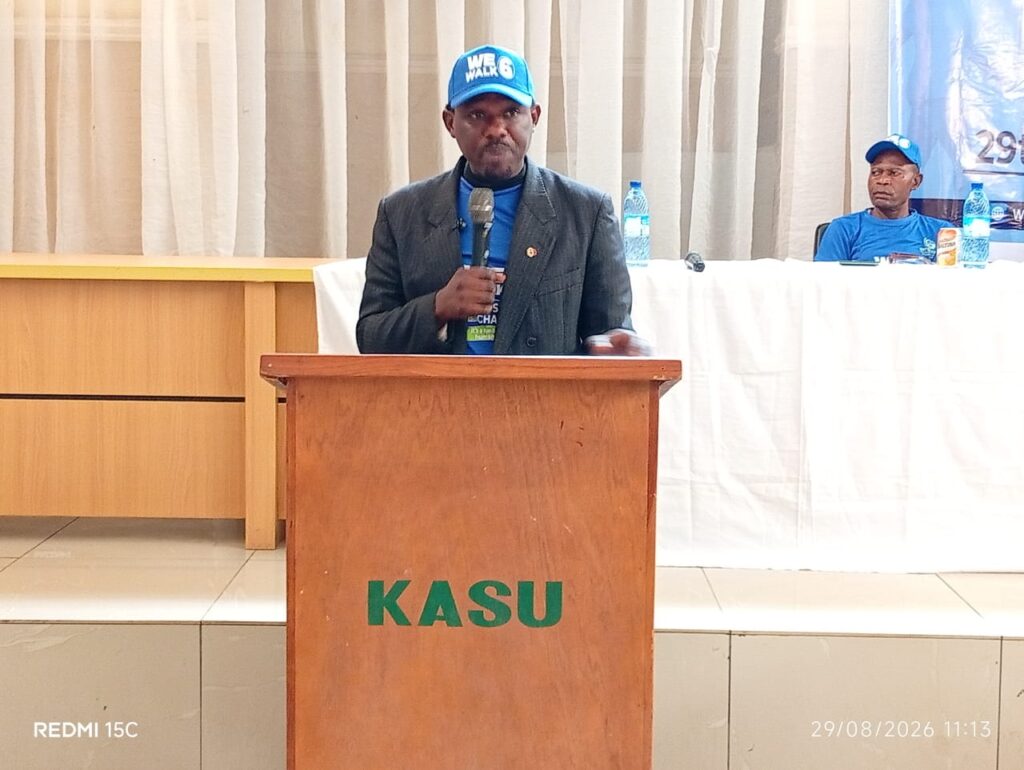
Speaking on Information and Communication as Tools for Disability Inclusion, Dr. Bulus Joel Daniel stressed the important role of effective communication in shaping public attitudes and perceptions about persons with disabilities.
He explained that inclusion involves providing equal rights and opportunities, as well as appropriate communication support, particularly within educational institutions.
According to him, students with disabilities may require interpretation and other forms of communication support to fully participate in classroom activities and understand lessons delivered by lecturers and teachers.
Dr. Daniel therefore called on governments, philanthropists and other stakeholders to provide increased support for persons with disabilities pursuing education, noting that learning materials and other educational resources could be financially challenging for many students.
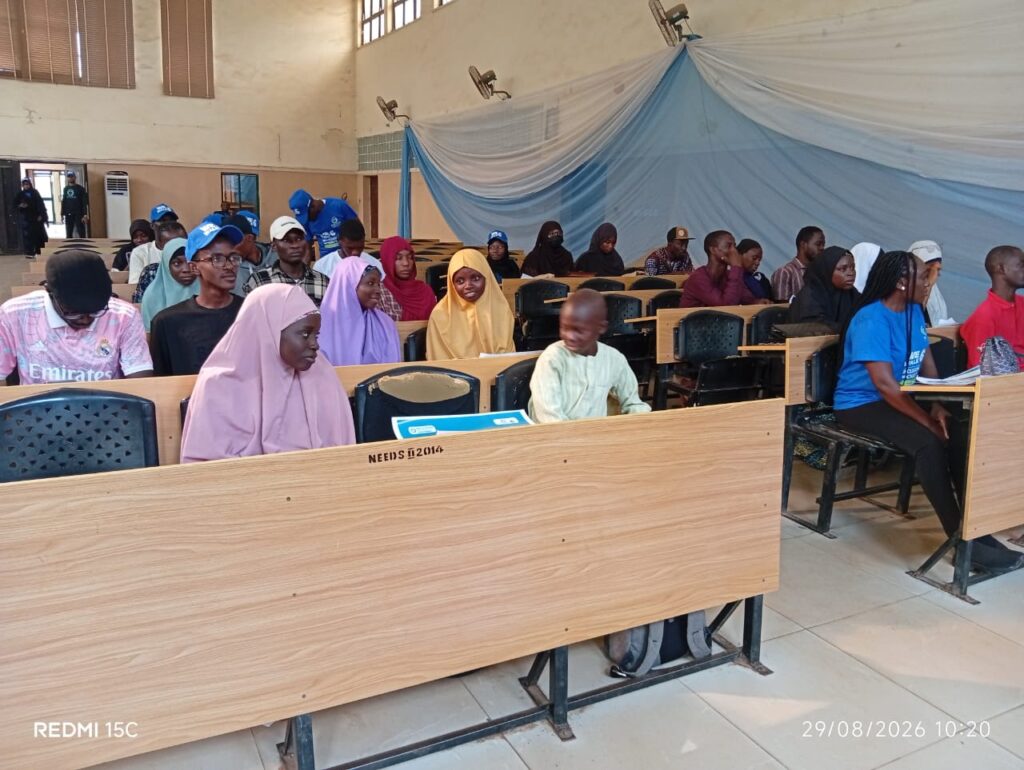
The summit brought together persons with disabilities, parents, academics, professionals, government representatives, partners and other stakeholders to deliberate on strategies for strengthening disability advocacy and promoting a more inclusive society.
The organisers reiterated that inclusion should not be treated as an act of charity or sympathy, but as a fundamental human right, requiring collective commitment,
Practical action and sustainable policies to remove barriers and ensure that persons with disabilities can participate fully and meaningfully in society.