
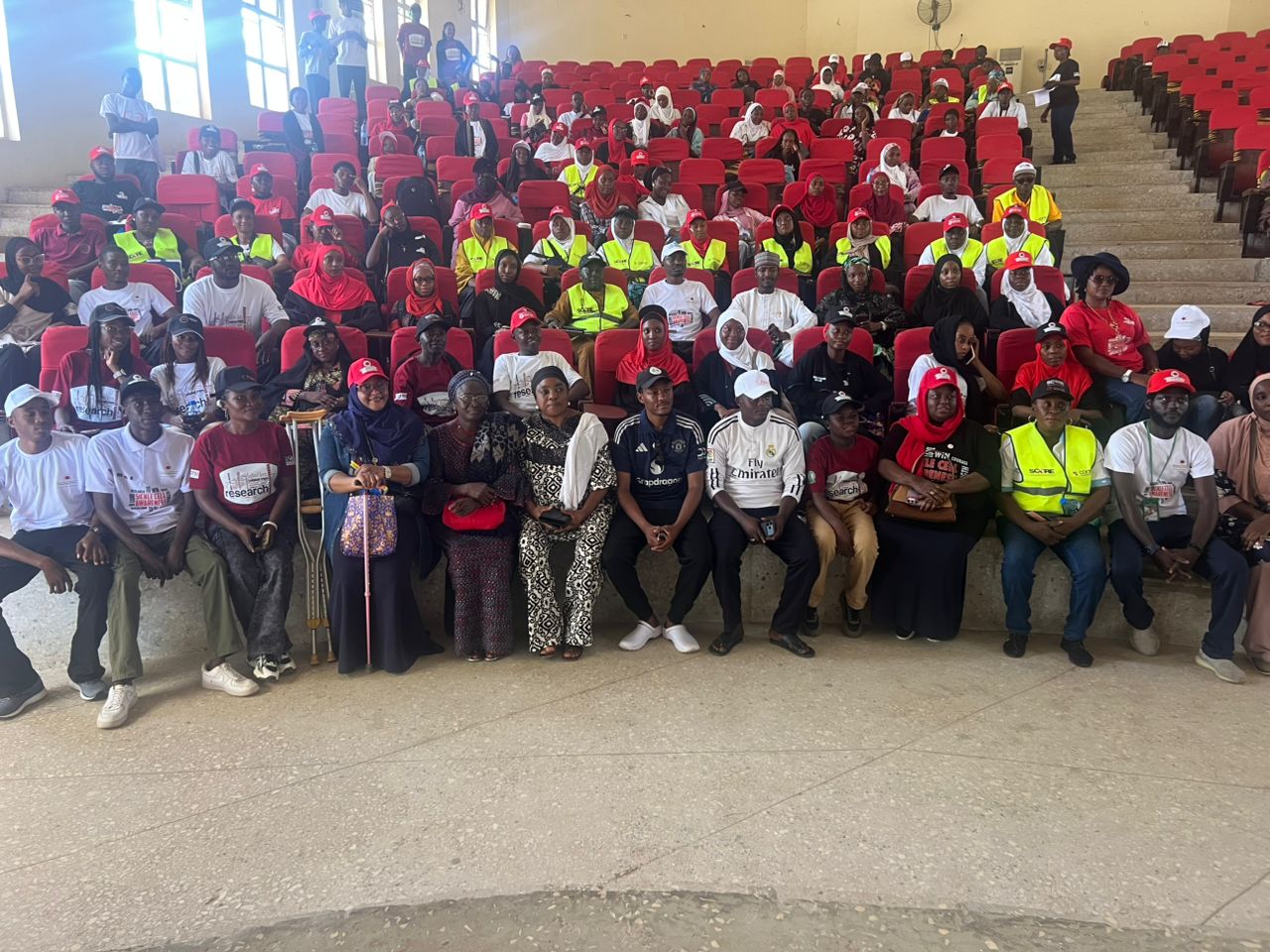
Young advocates have been encouraged to use their voices and platforms to promote awareness, combat stigma, and champion improved healthcare access for people living with sickle cell disease, as stakeholders commemorated the 2026 World Sickle Cell Day in Kaduna.
The event, which brought together healthcare professionals, researchers, advocates, policymakers, and individuals living with sickle cell disease, was organized by the Sickle Cell Advocacy and Empowerment Network, Safiyya Sickle Cell Foundation, and Fantsuam Foundation in collaboration with Barau Dikko Teaching Hospital (BDTH), Kaduna State University (KASU), the Consortium on Newborn Screening in Africa for Sickle Cell Disease, Sickle Cohort Research Foundation, and the Kaduna State Primary Healthcare Board.
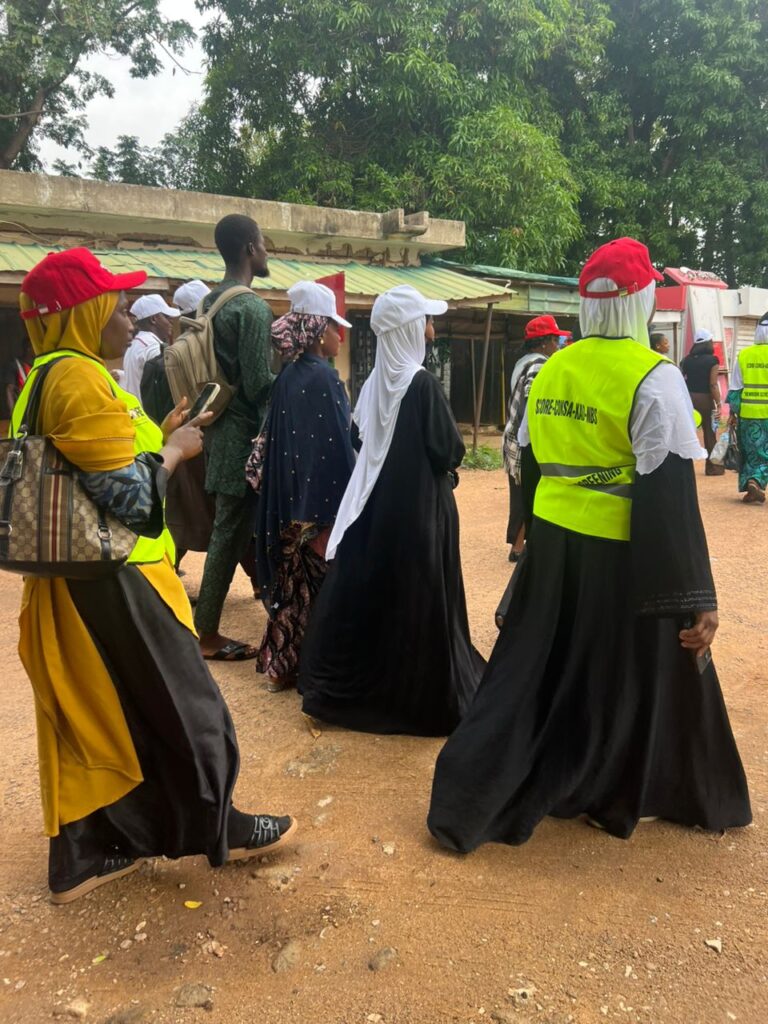
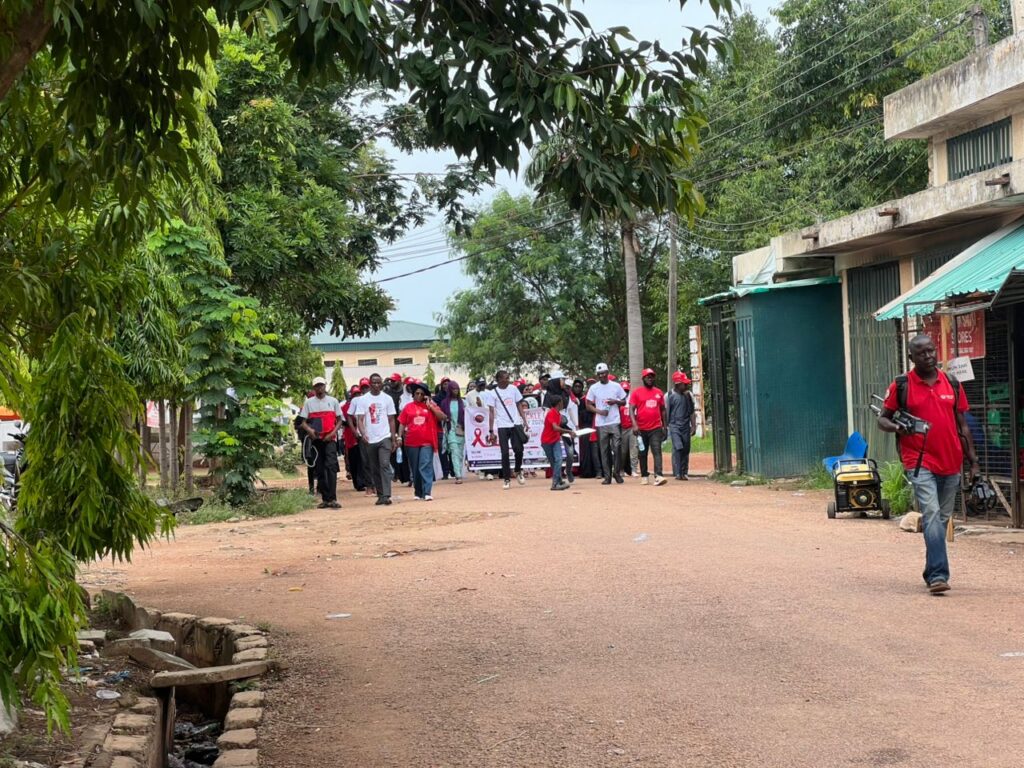
Speaking during the event, Dr. Livingstone Gayus Dogara, a Lecturer and Consultant at Kaduna State University and Barau Dikko Teaching Hospital, emphasized the critical role of youth engagement in addressing the challenges faced by people living with sickle cell disease. He noted that empowering young people with accurate knowledge and advocacy skills would contribute significantly to improving healthcare outcomes and reducing misconceptions surrounding the condition.
Dr. Dogara explained that the theme of this year’s commemoration, which focuses on supporting young voices to rise and speak out, provides a unique platform for young people to contribute meaningfully to closing existing gaps in sickle cell care. According to him, strengthening community-based healthcare services, expanding newborn screening programmes, and improving referral systems are essential steps toward ensuring timely diagnosis and access to quality treatment.
A major highlight of the programme was a panel discussion that explored strategies for strengthening relationships between healthcare providers and individuals living with sickle cell disease. Panelists examined the need for quality healthcare services across primary, secondary, and tertiary levels of care, while emphasizing patient-centred approaches, effective communication, and continuity of treatment as key components of improved healthcare delivery.
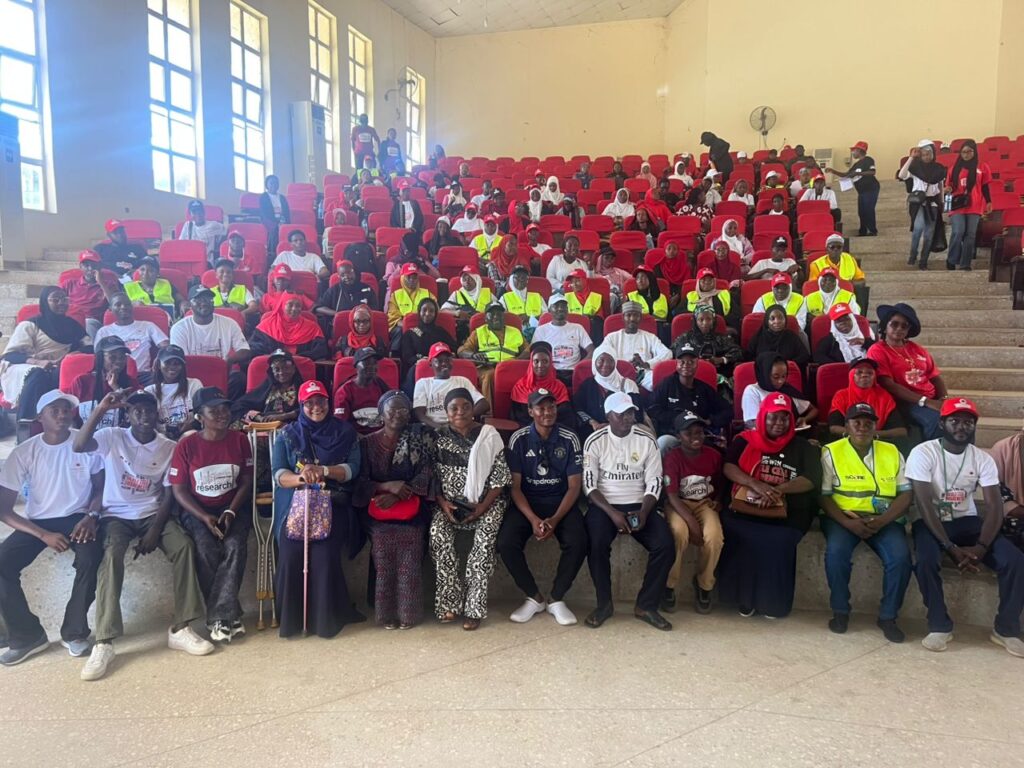
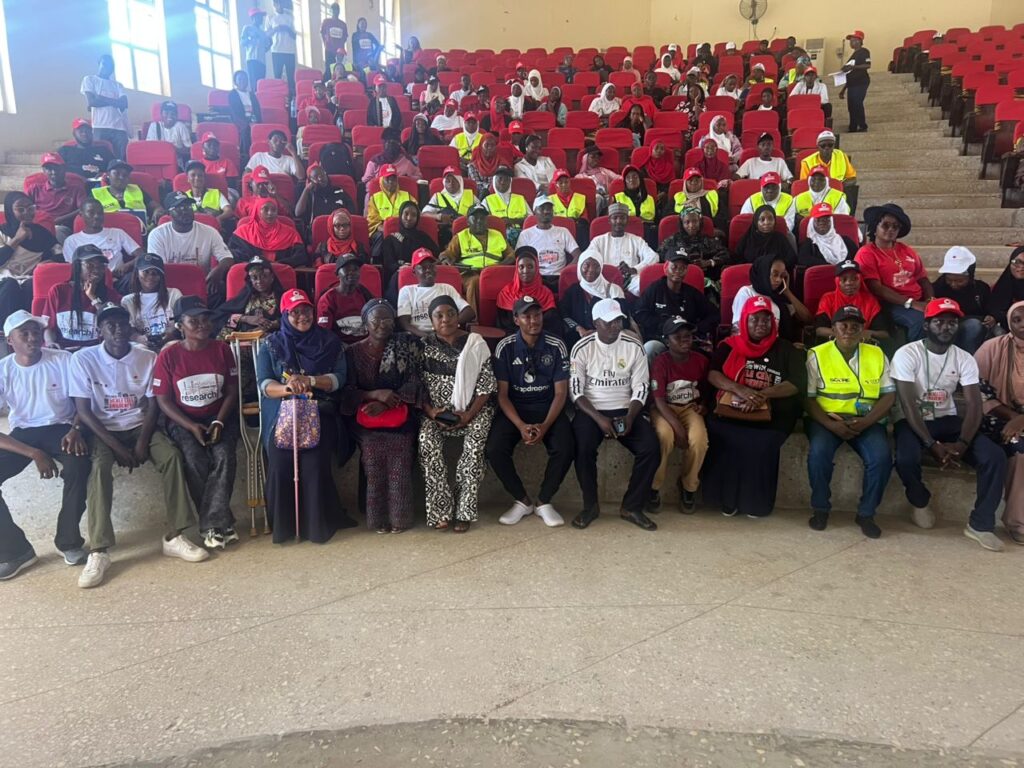
Representing the Vice-Chancellor of Kaduna State University, Prof. Abdullahi Ibrahim Musa, the Head of Department of Haematology and Blood Transfusion, Dr. Ifeoma Ijei-Enesi, welcomed participants and reaffirmed the university’s commitment to advancing research, awareness, and advocacy aimed at improving the lives of people affected by sickle cell disease. She highlighted the importance of addressing healthcare inequities and ensuring that patients receive the support and services they need to live healthy and productive lives.
The event concluded with a strong call for collective action among government agencies, healthcare professionals, civil society organizations, communities, families, and young advocates to work together in strengthening sickle cell care, expanding access to quality healthcare services, and building a more inclusive and responsive healthcare system for all affected individuals.
The commemoration reinforced the message that empowering young voices remains a vital step toward transforming sickle cell care and ensuring that no individual is left behind in the pursuit of equitable healthcare access.
Solid content. Will definitely come back for more. this resource
Quality content right here. Appreciate it. recommended