
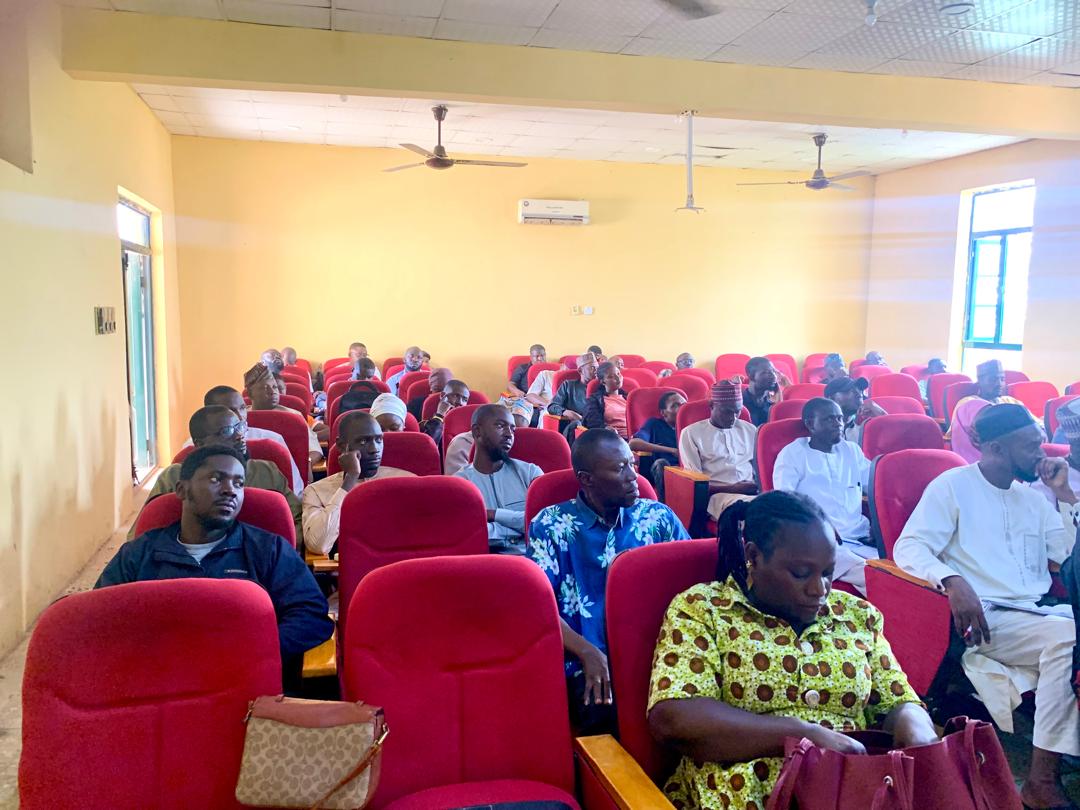
The Centre for Energy and Environmental Strategy Research (CEESR), Kaduna State University (KASU), hosted a programme on “AI-Driven Carbon Sequestration Mapping, Digital Monitoring, Reporting and Verification (MRV), and Carbon Financing Opportunities for Nigeria’s Net-Zero Transition aimed at advancing knowledge on innovative climate solutions and sustainable development.
The programme brought together academics, researchers,students, and environmental stakeholders to examine how emerging technologies can support Nigeria’s commitment to achieving net-zero greenhouse gas emissions.
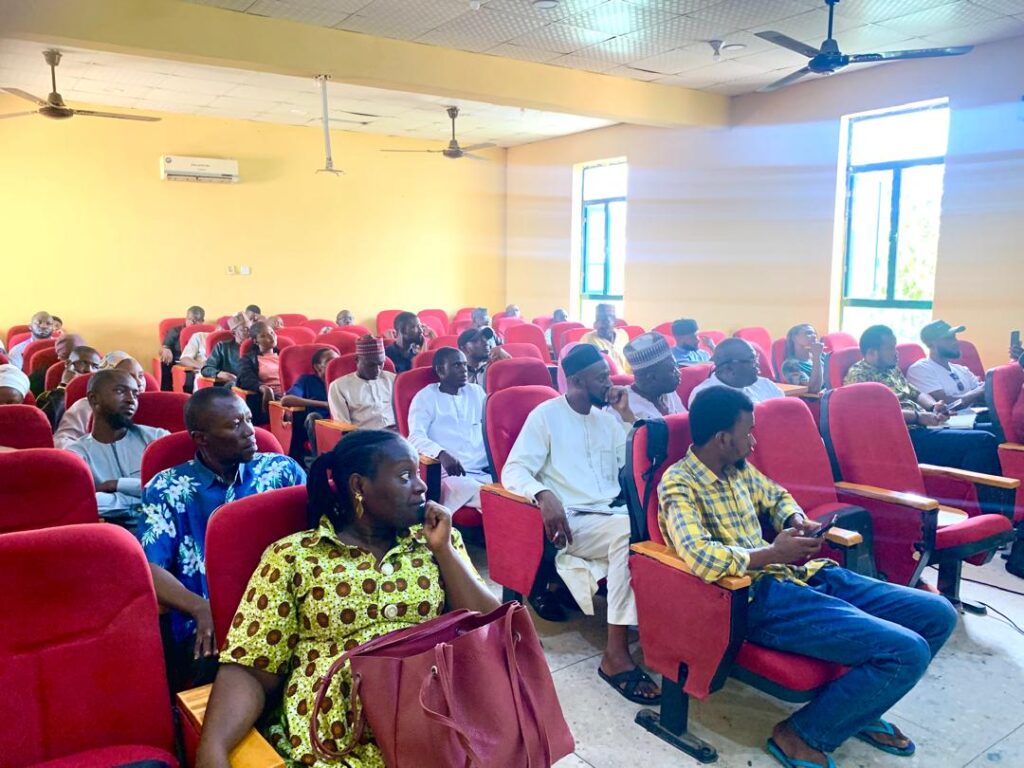
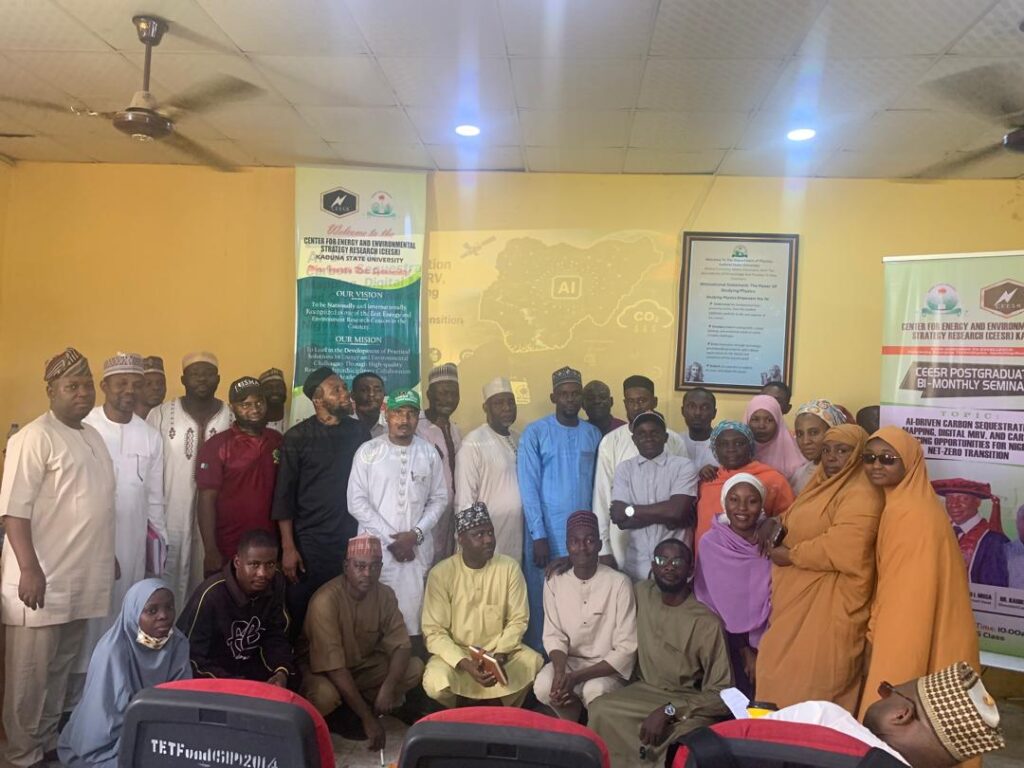
Delivering the welcome address, Dr. Nicodemus . Kure described the event as a timely initiative that aligns with national and global efforts to address climate change through science, innovation, and strategic partnerships.
In his opening remarks, the Director of CEESR, Dr. Ishaku Aliyu, expressed appreciation to participants and emphasized the importance of leveraging artificial intelligence and digital technologies in climate action.
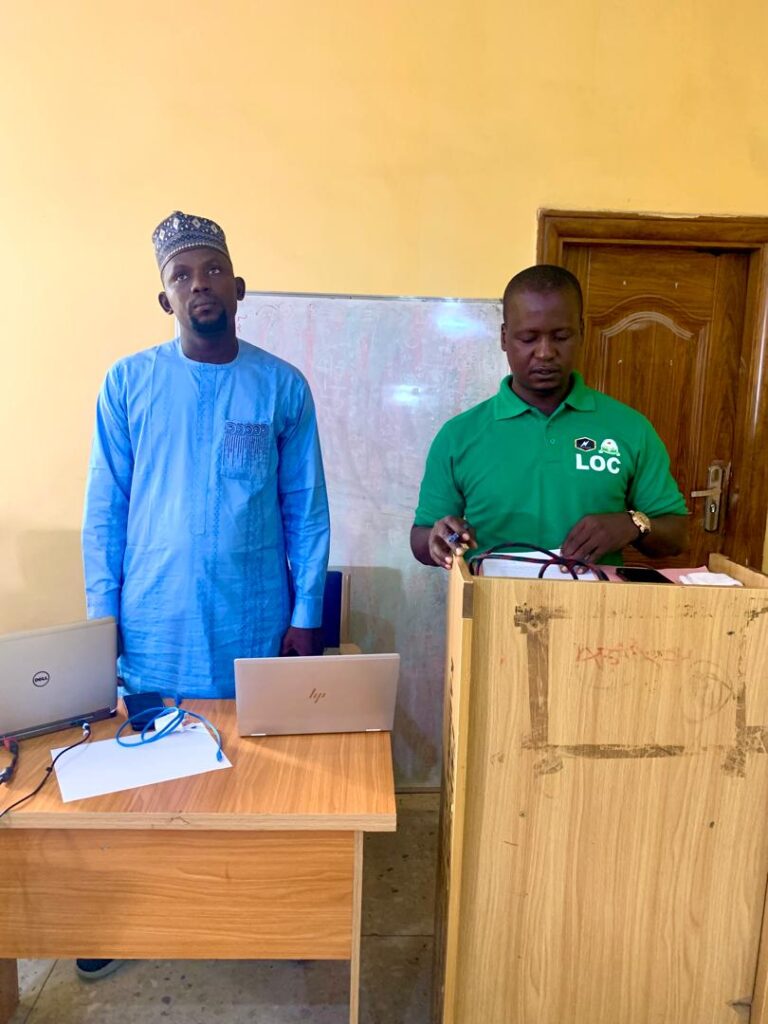
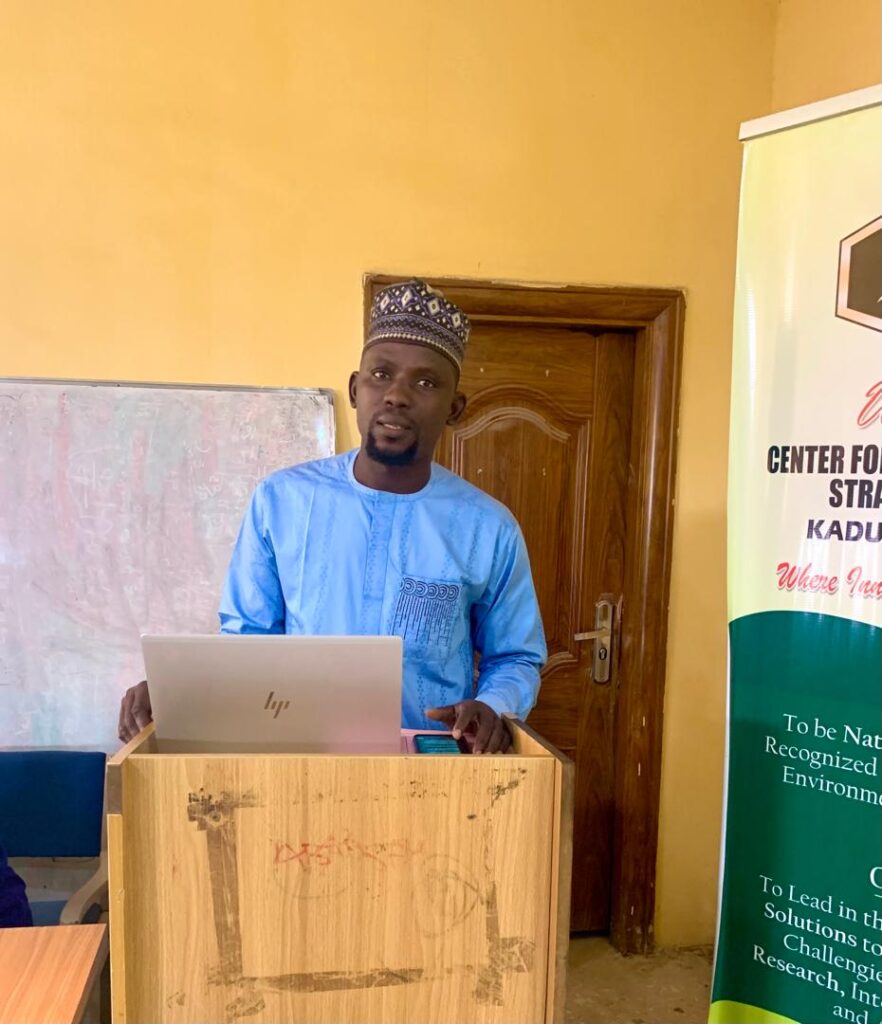
According to the presenter Dr. Zaharaddeen Isa, AI-driven carbon mapping and digital MRV systems have become critical tools for accurately measuring, monitoring, and verifying carbon sequestration and emissions reductions. He noted that credible and transparent climate data are essential for attracting investments and accessing international carbon financing opportunities.
The programme featured presentations highlighting the growing threat of climate change, driven largely by greenhouse gas emissions from sectors such as energy, agriculture, deforestation, and waste management. Participants examined the impacts of climate change in Nigeria, including rising temperatures, flooding, droughts, biodiversity loss, and economic disruptions.
Experts also discussed Nigeria’s commitment under the Energy Transition Plan and Long-Term Vision which seeks to achieve net-zero emissions through a combination of emissions reduction measures and carbon removal strategies.
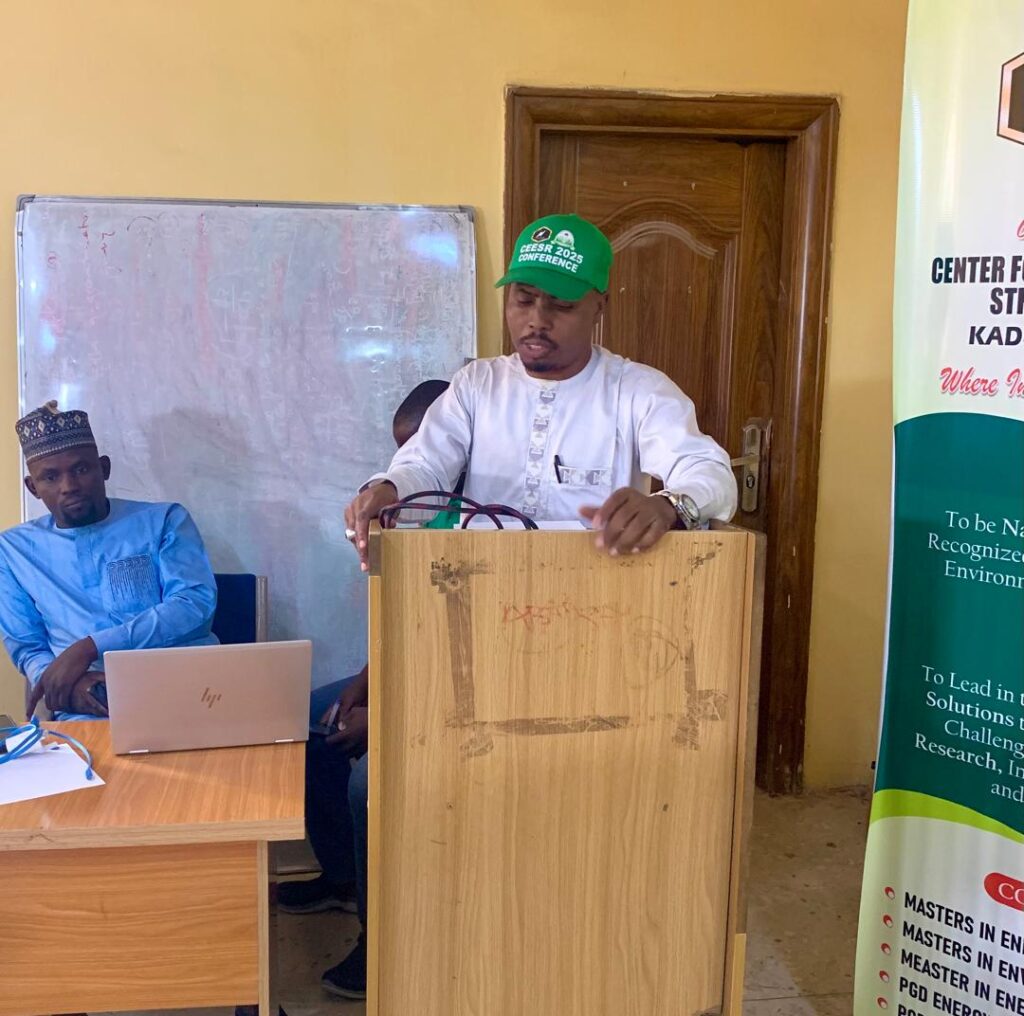
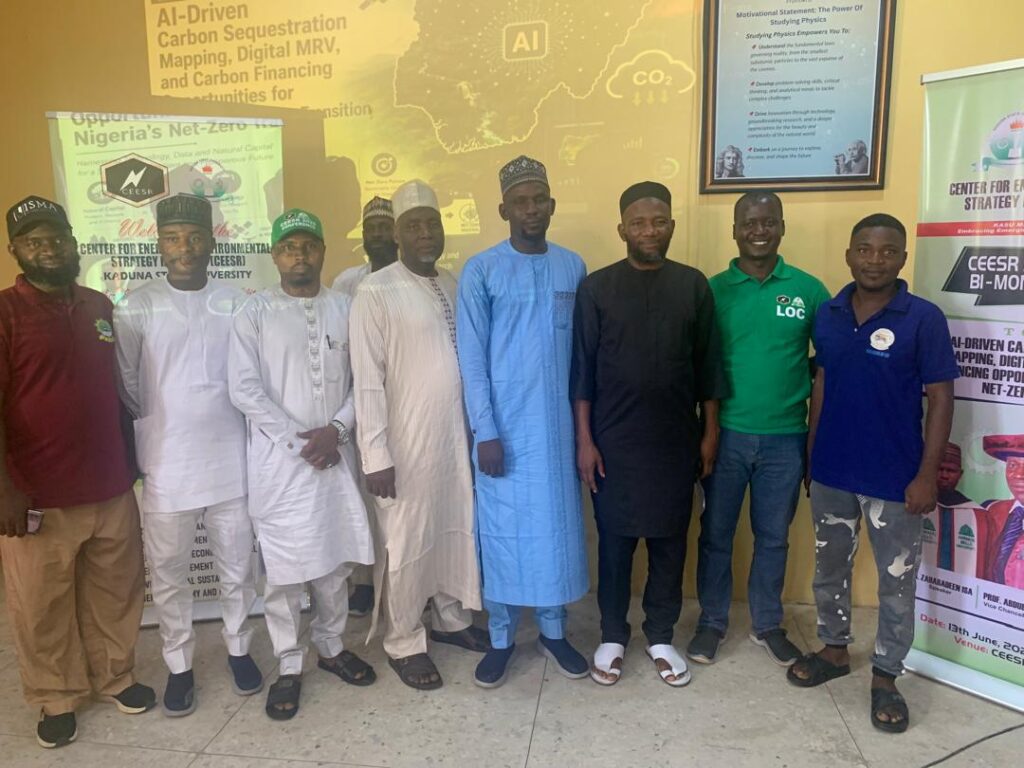
Presentations explored the concept of carbon sequestration and the role of natural ecosystems such as forests, wetlands, mangroves, and agricultural lands in capturing and storing atmospheric carbon. These Nature-Based Solutions were identified as cost-effective approaches that can simultaneously promote environmental sustainability, strengthen community resilience, and support livelihoods.
A major focus of the programme was the application of artificial intelligence in spatial carbon mapping. Participants were taken through the workflow involved in generating carbon intelligence from satellite imagery, drones, and field data. The process includes data acquisition, preprocessing, ecosystem classification, biomass estimation, and carbon stock assessment, all of which contribute to more accurate and efficient carbon accounting.
The programme further examined the advantages of Digital Monitoring, Reporting and Verification (MRV) systems over traditional methods. Unlike conventional MRV approaches that depend heavily on manual field surveys and lengthy verification processes, digital MRV utilizes remote sensing technologies, machine learning models, cloud-based infrastructure, and real-time reporting platforms to deliver faster, scalable, and transparent results.
Speakers noted that the adoption of digital MRV systems could significantly enhance Nigeria’s participation in voluntary carbon markets, green financing mechanisms, and results-based climate funding by providing verifiable evidence of emissions reductions and carbon removals.
In his closing remarks, Prof. M. M. Aliyu Provost of the CEESR, commended the Centre for organizing the programme and encouraged researchers, students, and government agencies to strengthen collaboration in developing local expertise in carbon accounting and climate finance.
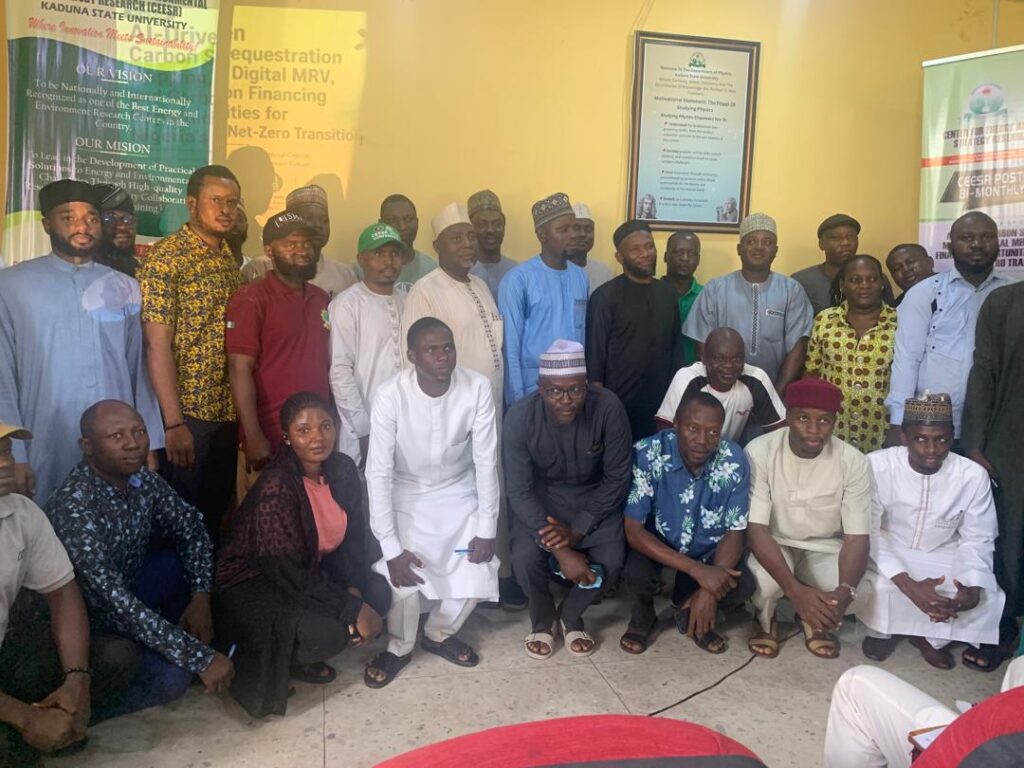
He stressed the need to ensure that carbon financing initiatives generate tangible benefits for communities most vulnerable to the impacts of climate change while contributing to national development goals.
The programme reaffirmed CEESR’s commitment to promoting research, innovation, and policy engagement in the areas of energy transition, environmental sustainability, and climate resilience. Participants expressed optimism that AI-driven carbon mapping and digital MRV technologies will play a vital role in positioning Nigeria as a competitive participant in Africa’s emerging carbon economy.