

Kaduna State University (KASU), in collaboration with the Kaduna State Civil Society Coalition Against Sexual and Gender-Based Violence, joined the global 16 Days of Activism Against Gender-Based Violence with a powerful campus sensitisation programme themed “UNiTE! End Digital Violence Against Women and Girls.”
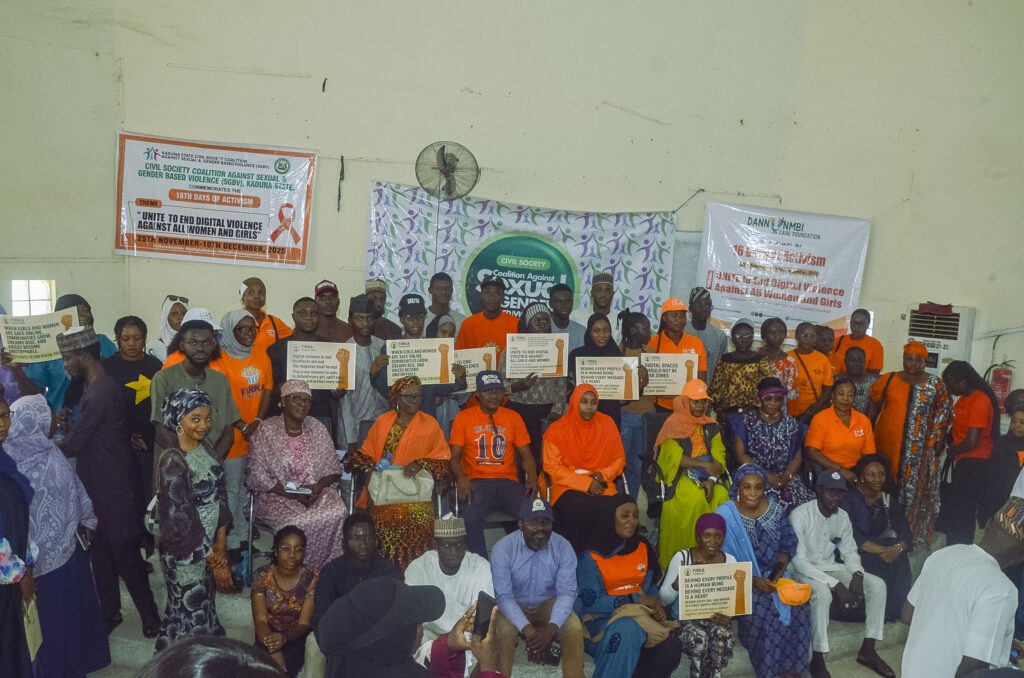
The awareness event, which marked the 9th day of the 16 Days of Activism, brought together university officials, civil society organisations, legal practitioners, security agencies, gender advocates and students to address the growing threat of digital violence in the modern world.
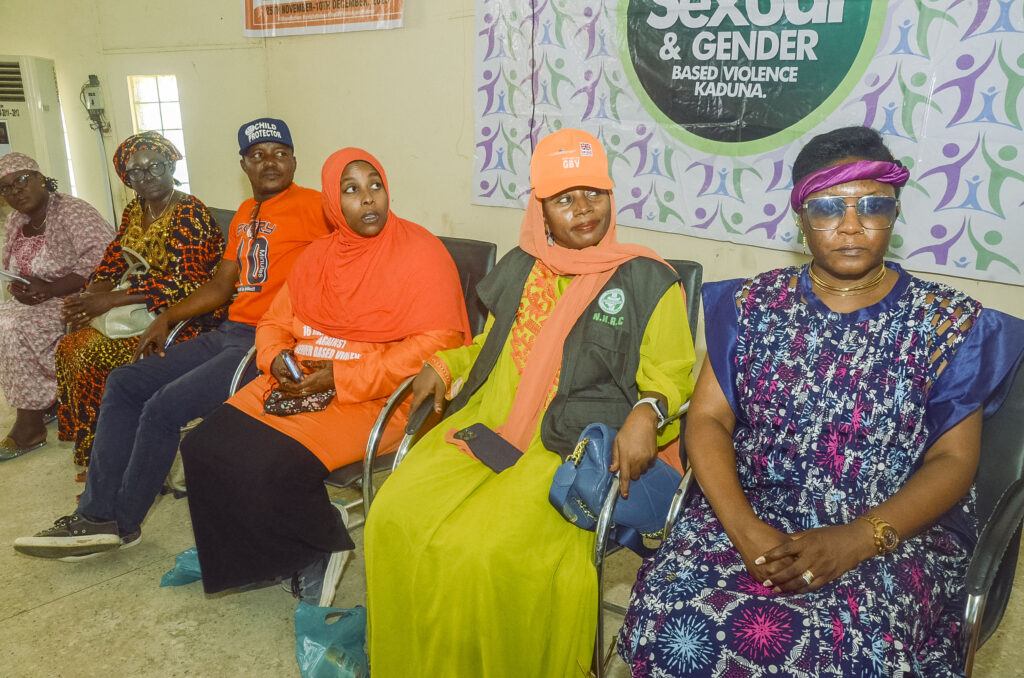
In his welcome address, a representative of the coalition emphasised that the digital space — phones, computers and social media platforms — has become a new battleground for abuse. Participants were informed that online harassment, threats, impersonation, and the sharing of harmful content are punishable by law, and victims are protected under both national and international legal frameworks.
Dr. Deborah J. Bijime, Director of the Centre for Gender Studies, stressed that while women and girls are the major victims of gender-based violence, men are also vulnerable to digital and physical abuse. She reaffirmed KASU’s zero-tolerance stance on harassment and promised continued efforts to ensure a safe and inclusive learning environment for all students.
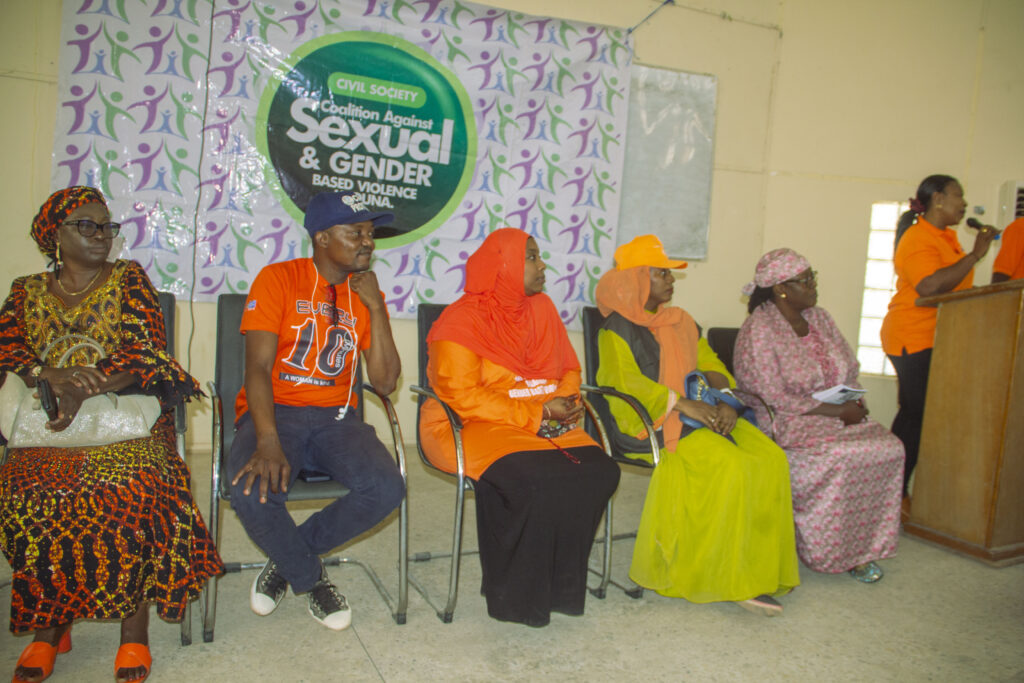
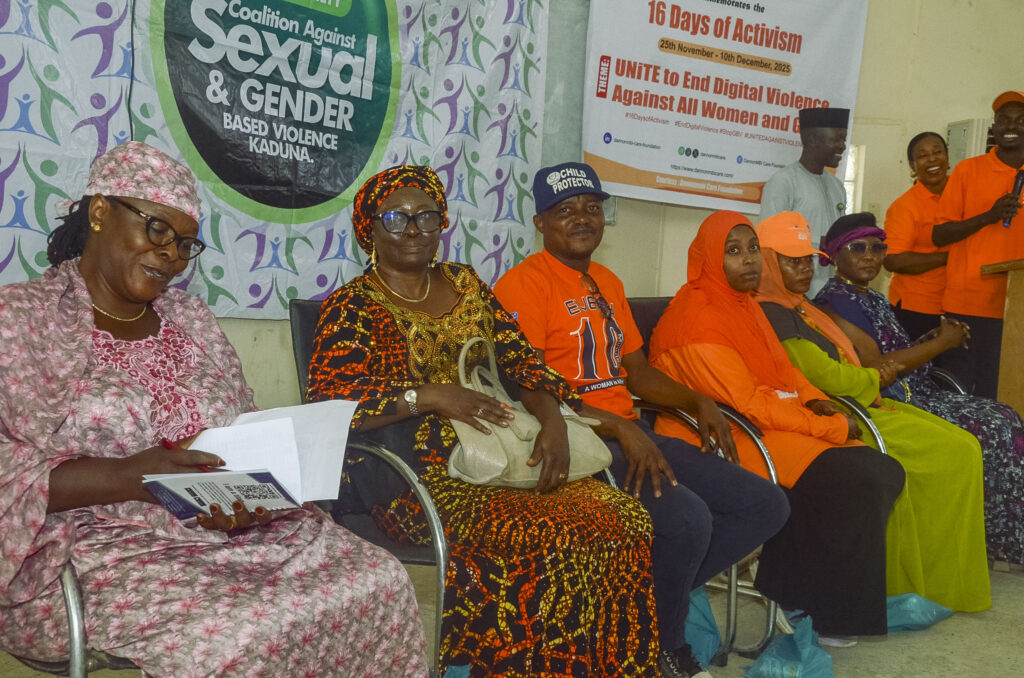
Legal practitioner Barrister Bukola Ajao provided a detailed explanation of the various forms of digital violence, including doxing, deepfakes, sextortion, trolling, impersonation, hacking, and non-consensual sharing of images. She referenced the Cybercrimes (Prohibition, Prevention) Act 2015 and the Violence Against Persons Prohibition (VAPP) Law, which criminalise such acts and carry penalties including imprisonment and heavy fines. She urged students to protect their data, avoid sharing sensitive information and report suspicious online activity.
Child protection advocate Shehu Suleiman, a member of the Nigeria Security and Civil Defence Corps and the Child Protection Network, warned against the exploitation of children in online content. He noted that children have rights that must be respected, and any violation — even by parents or guardians — is a criminal offence. According to him, digital violence against children is taken seriously and can lead to prosecution.
Another speaker, Mariam Abu, highlighted the importance of understanding online behaviour and its legal implications, citing an example of a youth corps member in Kaduna who lost his job placement after posting offensive content online. She encouraged young women to understand their rights, autonomy and the laws that protect their dignity.
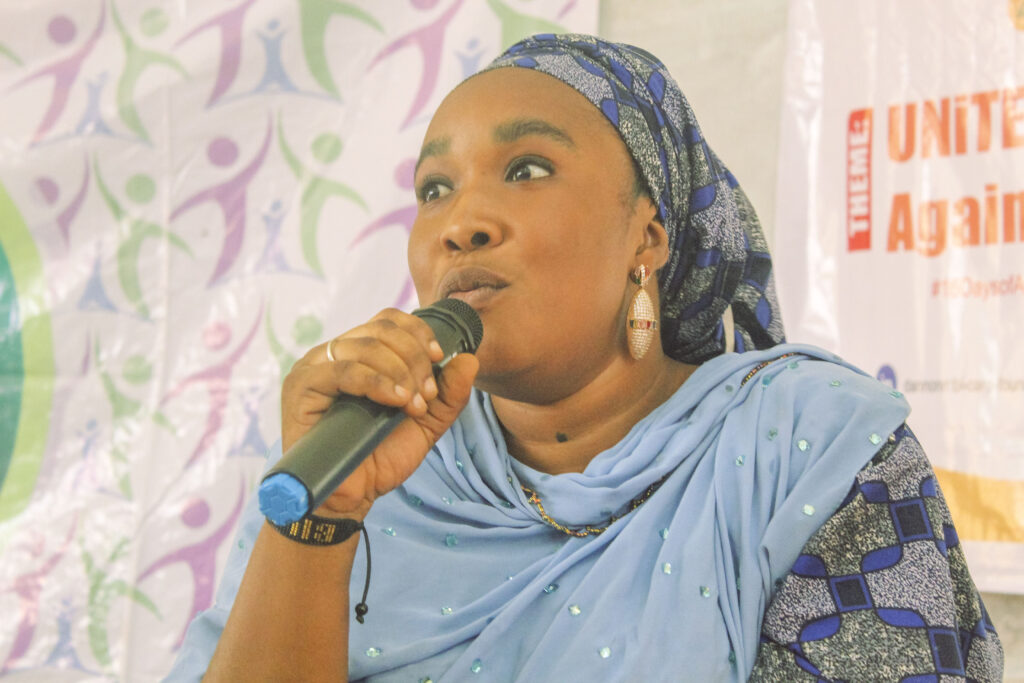
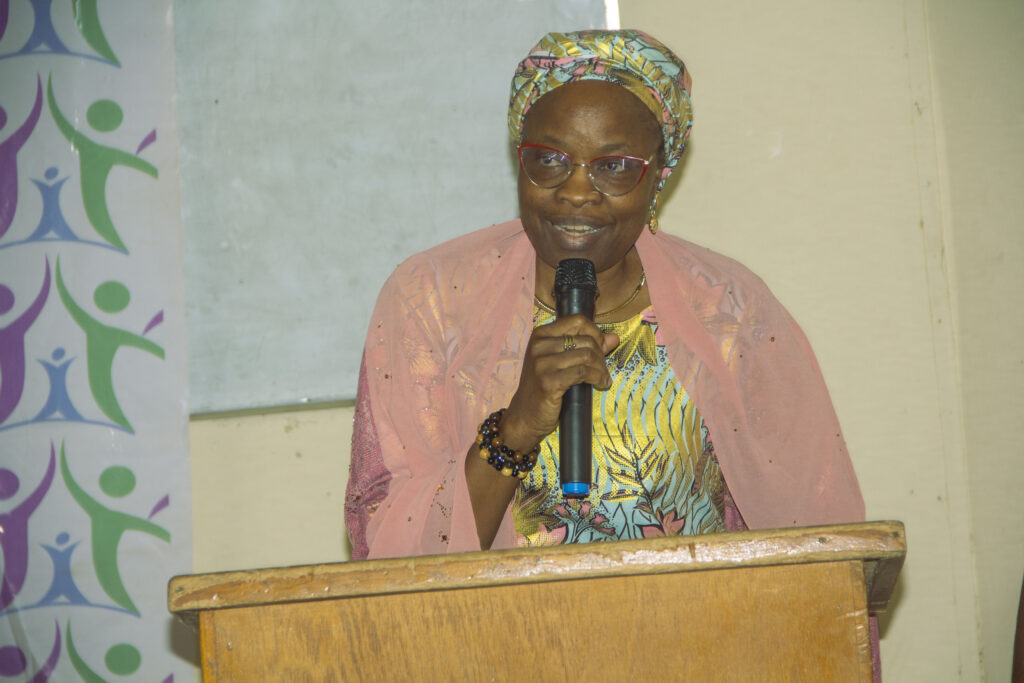
Barrister Rebecca Sako called for greater awareness of KASU’s Sexual Harassment Policy, noting that many students were unaware of its existence. She also described how digital footprints can resurface years later and damage reputations, citing real-life examples where old posts had cost individuals major opportunities.
On her part, Dr. Bilques Yusuf, Coordinator of the KASU Innovation Hub, urged students to use technology responsibly and to support initiatives that promote a safer digital environment across the university community.
The Dean, Student Affairs, Professor Muhammad Kabir Dauda, assured students that the university has trained counsellors, both male and female, available to provide support to victims. He encouraged students to always speak out and also reminded them of the importance of modesty and decent dressing in accordance with the university’s regulations.
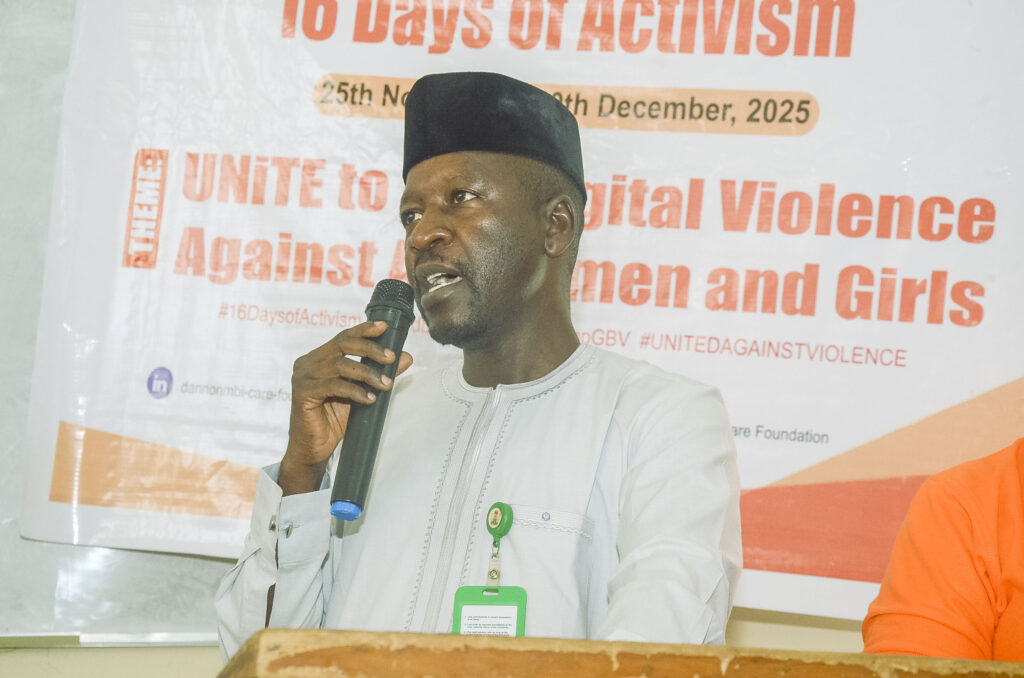
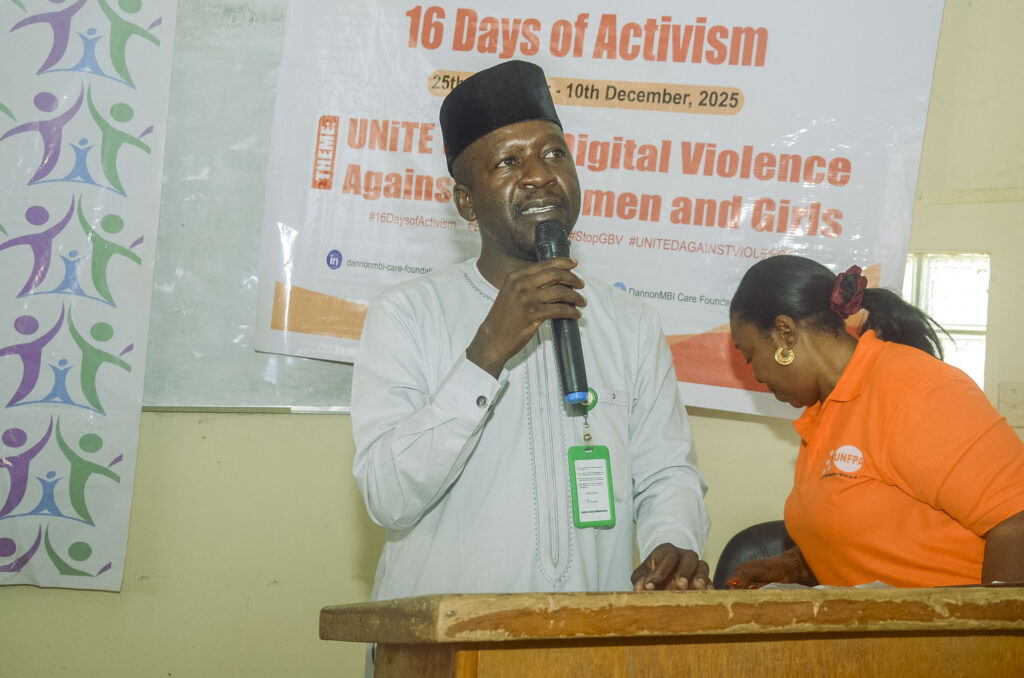
Adding a political perspective, Dr. Anita B. George, a gender and child rights advocate and former local government chairperson, spoke about digital violence against women in politics. She shared her personal experience of online attacks and urged young people not to be used as tools for defamation and character assassination. She also used the platform to call for support for the Reserved Seats for Women Bill, which seeks to increase female representation in Nigeria’s legislative houses.
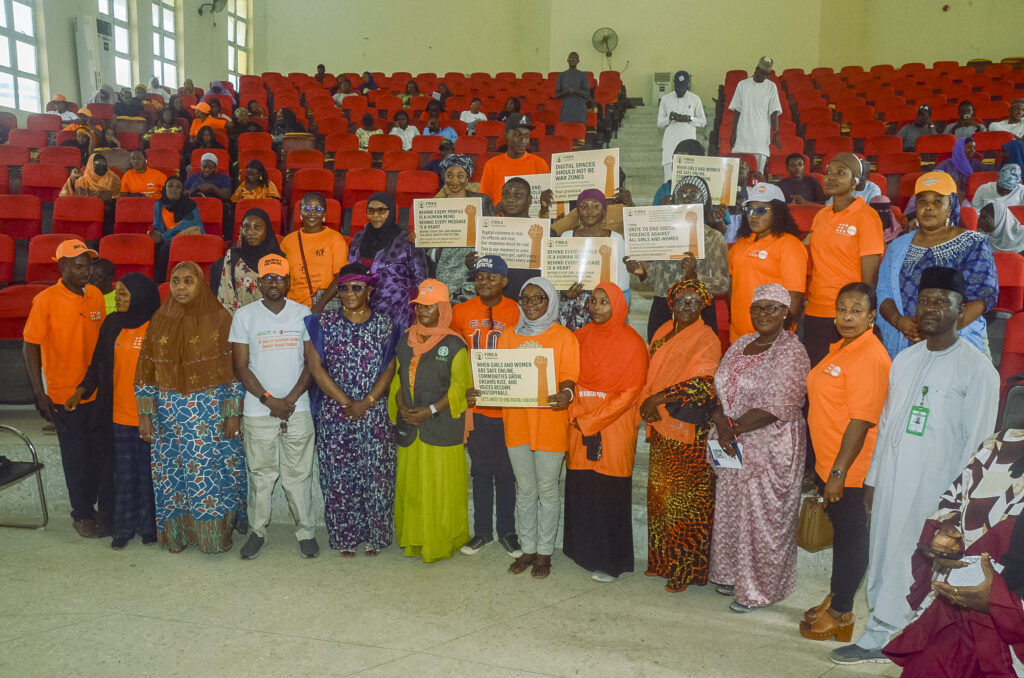
Participants were encouraged to take the message beyond the university campus and become ambassadors of digital safety, respect and accountability in their communities.
The event concluded with a strong call to action: to create a safe digital space where women, girls, and all individuals can express themselves without fear of harassment, exploitation or violence.
The organisers affirmed their commitment to continued collaboration, advocacy and sensitisation programmes across Kaduna State.