
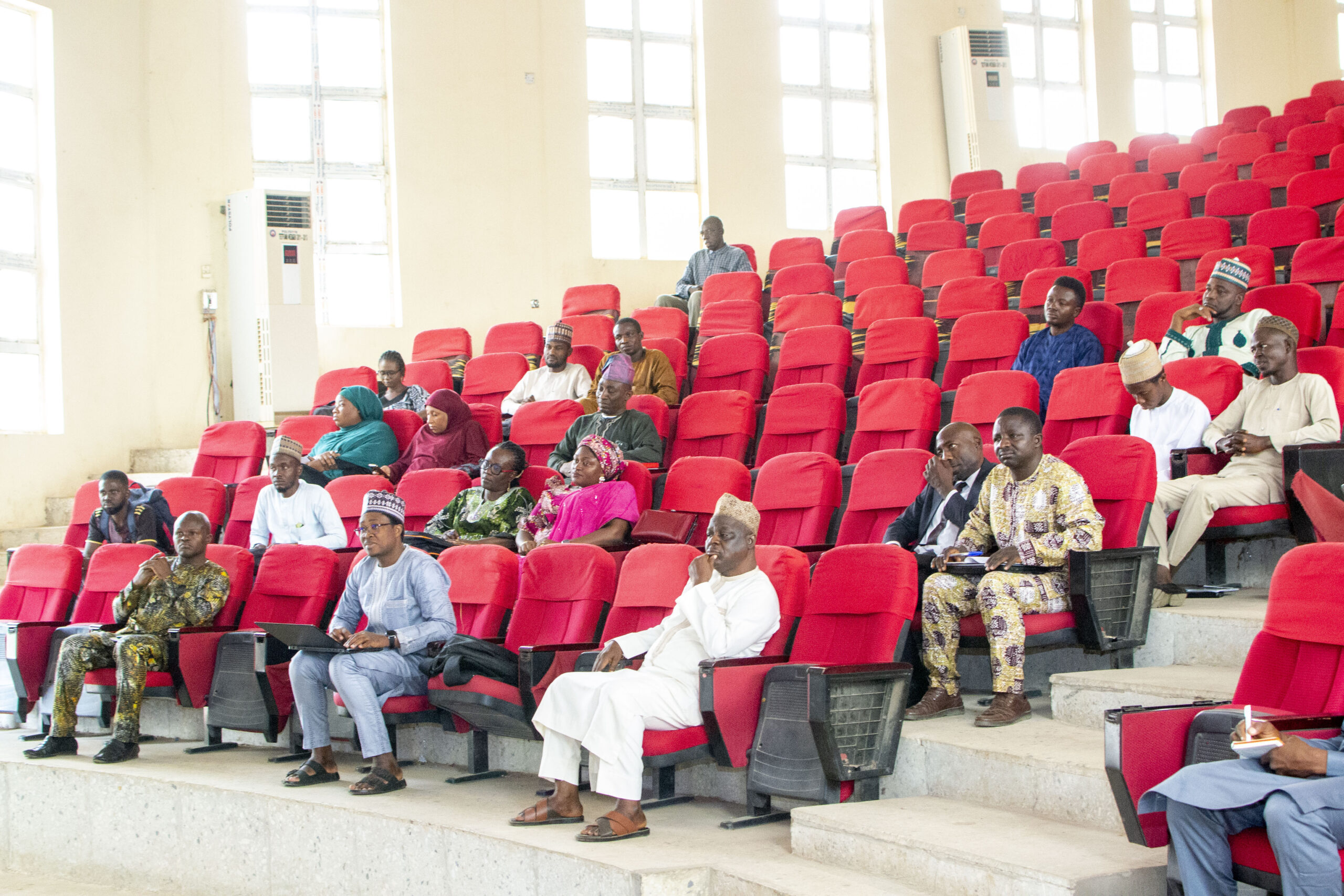
Kaduna State University (KASU), in collaboration with the Centre for Continuing Professional Education, Faculty of Philology, RUDN University, and the Centre of Digital and Social Informatics, KASU, has commenced a three-day Professional Short Course Scholarship workshop on Entrepreneurial Journalism in Algorithmic Systems.
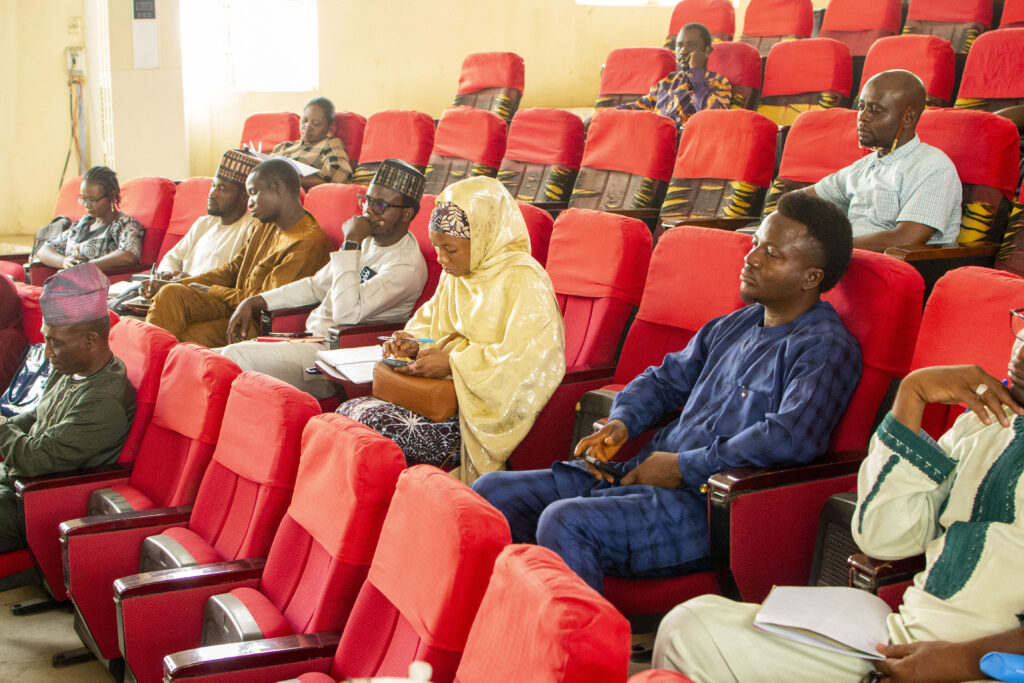

The workshop, which began on Tuesday, 3rd February 2026, and will conclude on Thursday, 5th February 2026, is holding at the 500-Seater Hall, Pharmaceutical Building, Kaduna State University.
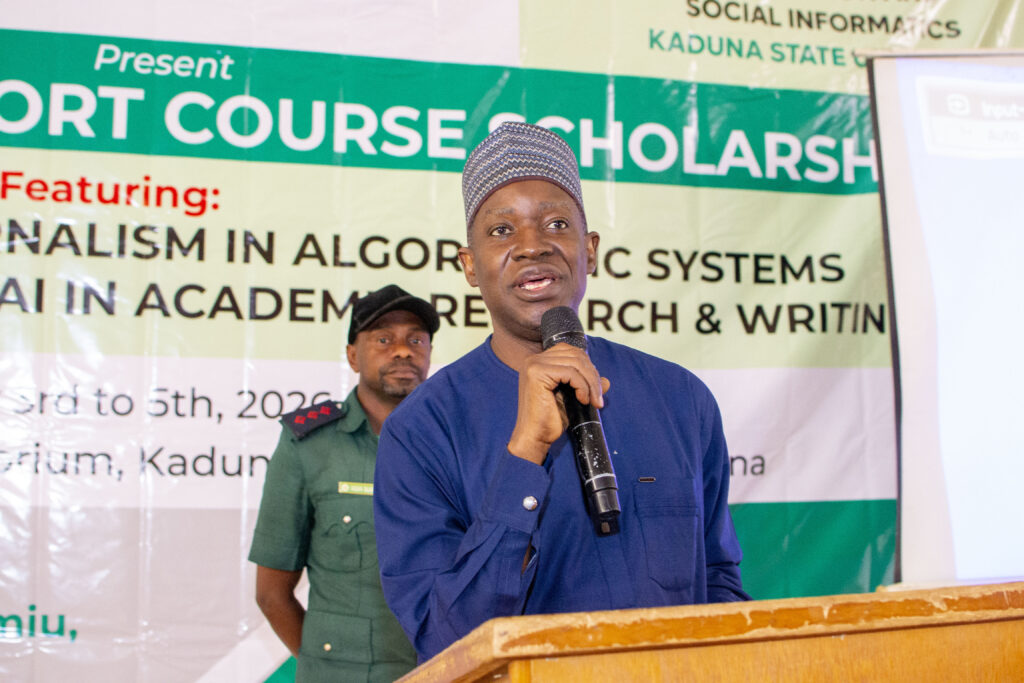

Declaring the workshop open, the Vice Chancellor of Kaduna State University, Professor Abdullahi Ibrahim Musa, warmly welcomed participants and urged them to maximize the opportunity provided by the programme. He emphasized the importance of active participation and encouraged attendees to fully engage with the knowledge and skills being shared
The lead lecture was delivered by Professor Mustapha Muhammad Jamiu of the Department of Mass Communication, RUDN University, Russian Federation. His presentation focused on Implementing Ethical Artificial Intelligence in Academic Research and Writing.
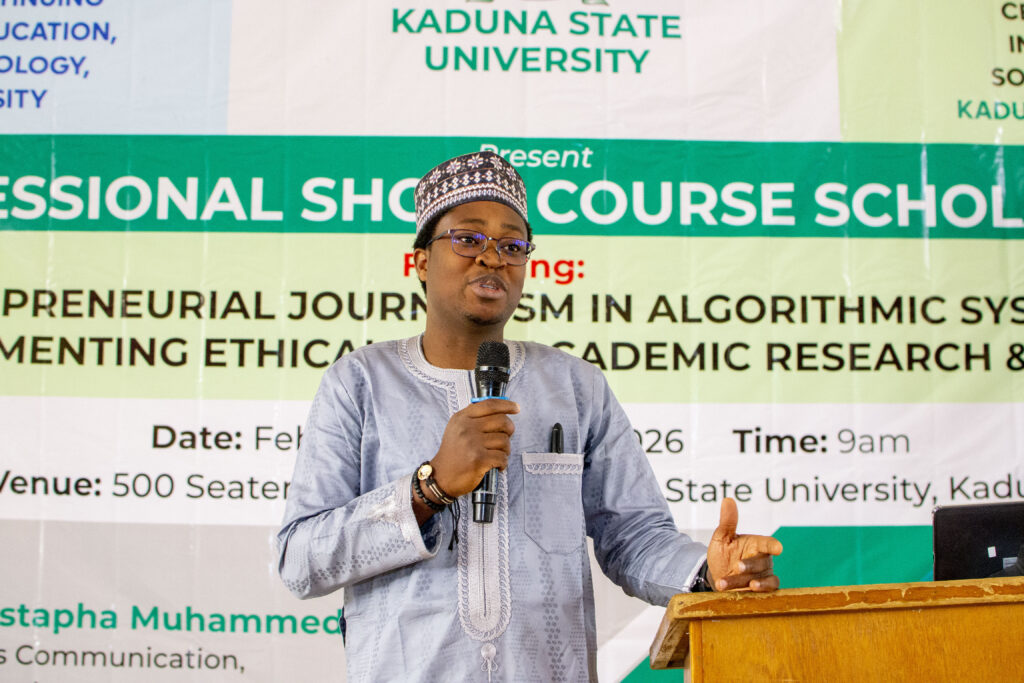
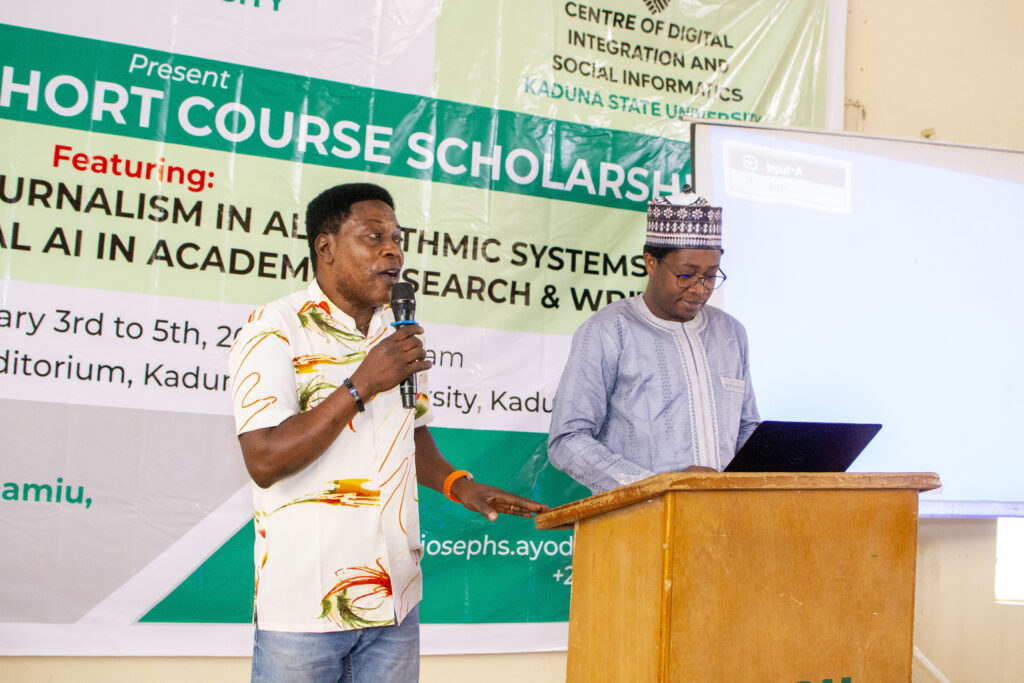
Professor Jamiu highlighted critical risks associated with academic integrity in the age of AI, including plagiarism, data fabrication, and falsification of research processes. He stressed the need for researchers to remain vigilant in ensuring originality, accuracy, and honesty in their scholarly work.
He further advocated for transparent disclosure statements in academic writing, noting that researchers must clearly document how, where, and when AI tools are used in their research to promote accountability and ethical compliance.
During the session, Professor Jamiu demonstrated various AI tools applicable to academic research and writing. These included Generative AI tools such as ChatGPT and other GenAI platforms for brainstorming and content development, as well as assistive AI tools like Zotero, which aids in reference management and citation.

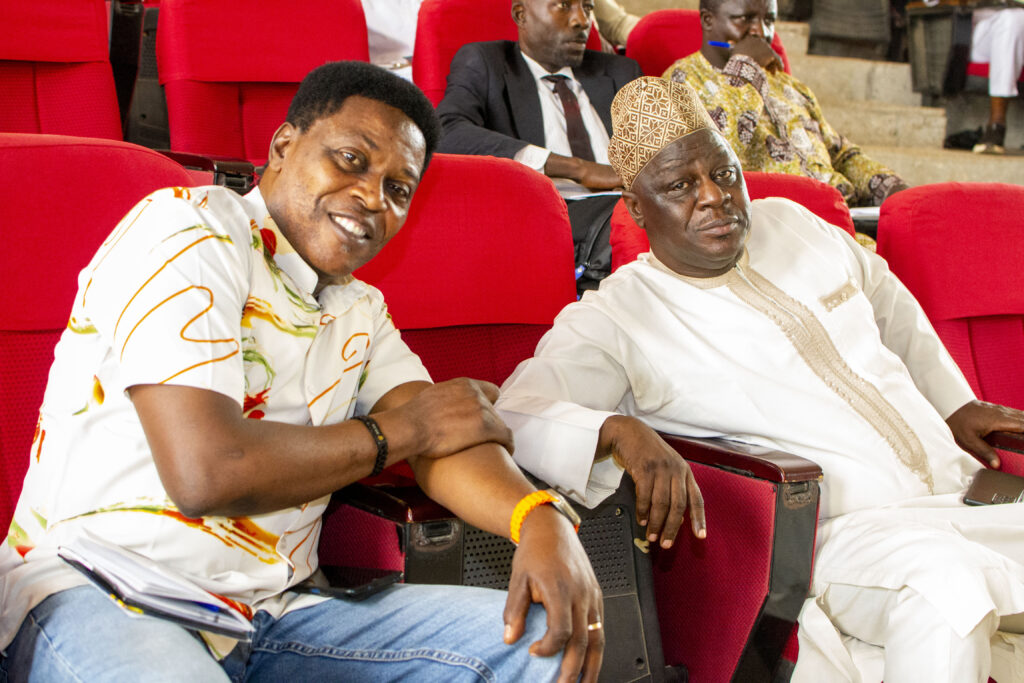
He emphasized that while AI can enhance productivity, researchers remain fully responsible for all outputs generated with AI assistance, including any errors, biases, or fabrications. He underscored the importance of thorough fact-checking of AI-generated content, data, and citations.
Participants were also encouraged to establish institutional protocols for responsible AI use, engage in continuous training on AI tools and ethics, and develop a clear understanding of the limitations and biases inherent in AI systems.
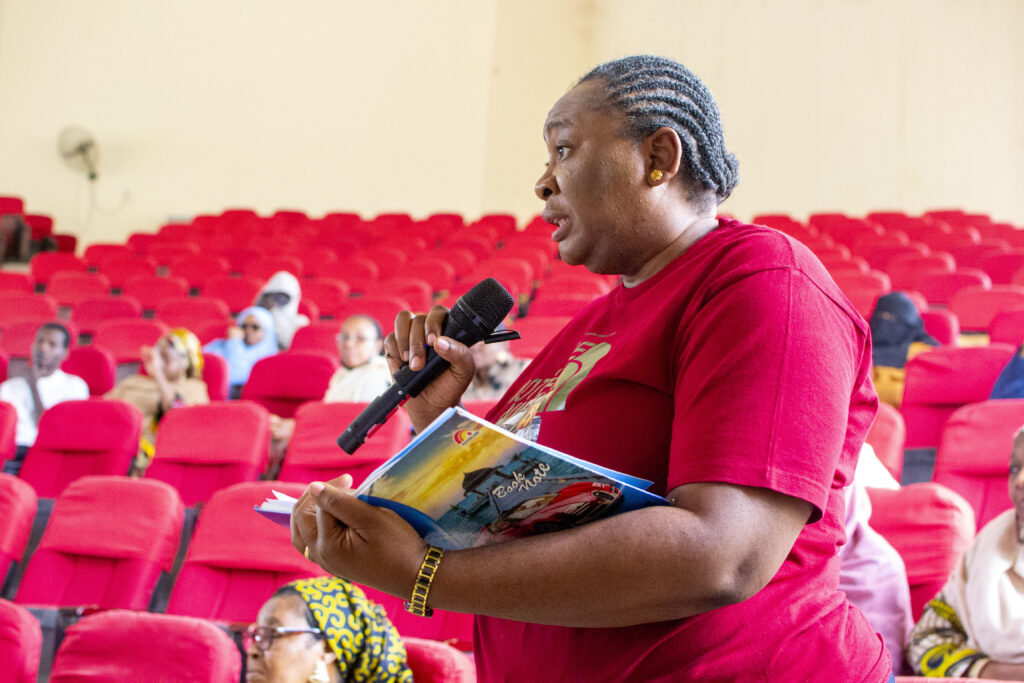
The workshop attracted participants from various universities and polytechnics across Kaduna State, fostering robust dialogue on the role of AI in academic research. Attendees expressed appreciation for the practical insights gained, noting that the programme has strengthened their understanding of ethical AI practices and academic integrity.
The initiative is expected to better equip academics to navigate the evolving challenges of AI in research and scholarship, ensuring that their work remains ethical, original, and impactful.