

The Distance Learning Institute (DLI) of Kaduna State University (KASU) paid a courtesy visit to the National Board for Technical Education (NBTE) on 19th December, 2025. The visit took place at the NBTE Headquarters on Yakubu Gowon Way, Kaduna.
The delegation from Kaduna State University was led by the Director of the Distance Learning Institute, Dr. Fatima Shehu Kabir. They were warmly received by the Executive Secretary of NBTE, Prof. Idris Muhammad Bugaje, alongside other senior officials of the Board.
In his welcome remarks, Prof. Idris Muhammad Bugaje commended the Distance Learning Institute for initiating the courtesy visit, describing it as a timely and strategic move aimed at fostering collaboration, partnership, and institutional development. He emphasized the growing global shift towards online and blended learning models, noting their increasing relevance in modern education systems.
In her presentation, Dr. Fatima Shehu Kabir formally introduced the Distance Learning Institute of Kaduna State University, outlining its vision, mandate, and operational plans. She sought institutional collaboration and technical support from NBTE, particularly in the areas of distance learning, skills acquisition, digital content creation, and capacity building.
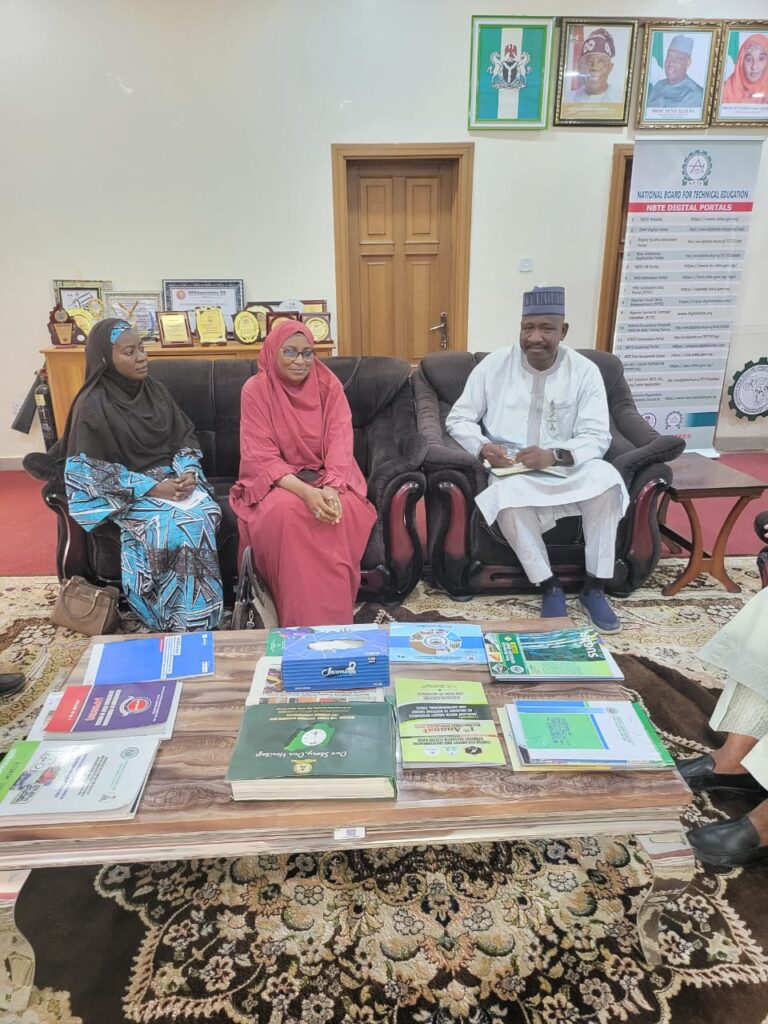
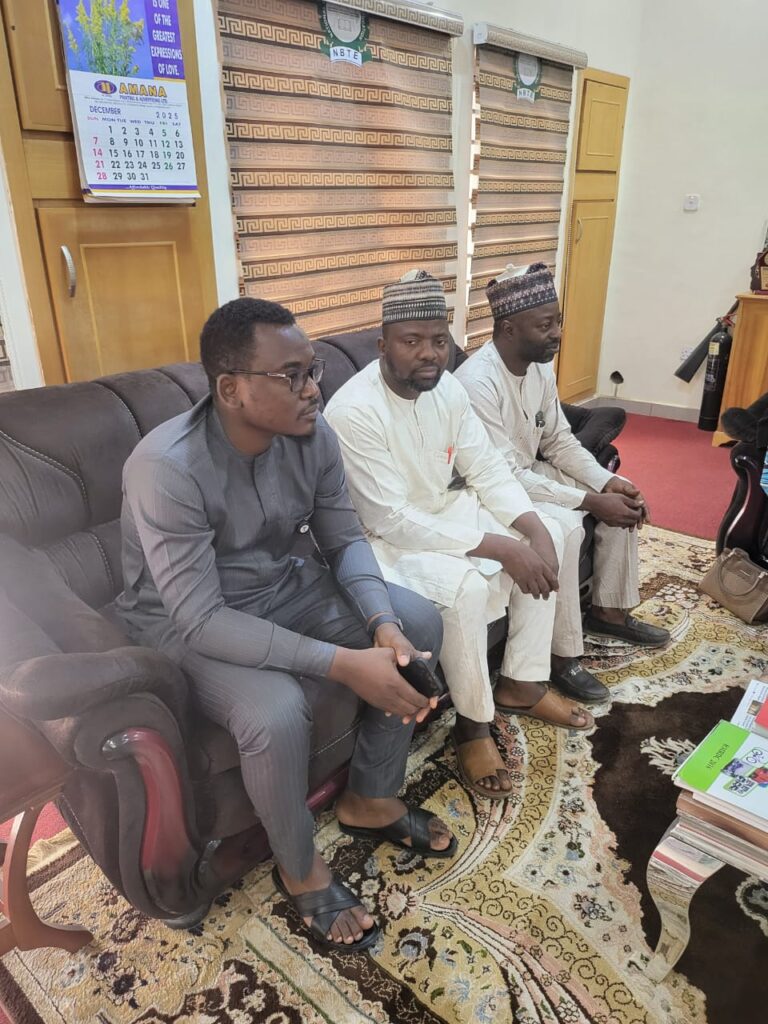
Dr. Fatima also highlighted opportunities for partnership under Technical, Industrial, Vocational and Entrepreneurship Training (TVET) programmes. She discussed accreditation processes, regulatory requirements, and prospects available through NBTE. She informed the Board that the Institute is yet to commence full academic delivery, pending the completion of all regulatory approvals, but expressed optimism that resource verification and necessary approvals would be concluded by January 2026.
Furthermore, she stated that the Distance Learning Institute intends to diversify its revenue streams through skills training, professional certification programmes, digital content development, and capacity-building initiatives. She added that Kaduna State University possesses significant facilities and infrastructure that can be effectively leveraged for blended and online learning delivery. Dr. Fatima reaffirmed the Institute’s strong interest in participating in TVET and skills-based initiatives in collaboration with NBTE.
In his response, Prof. Bugaje commended the Institute’s forward-thinking approach to distance and blended learning. He stressed the importance of quality courseware development, digital content production, and instructor capacity building as key success factors in distance education.
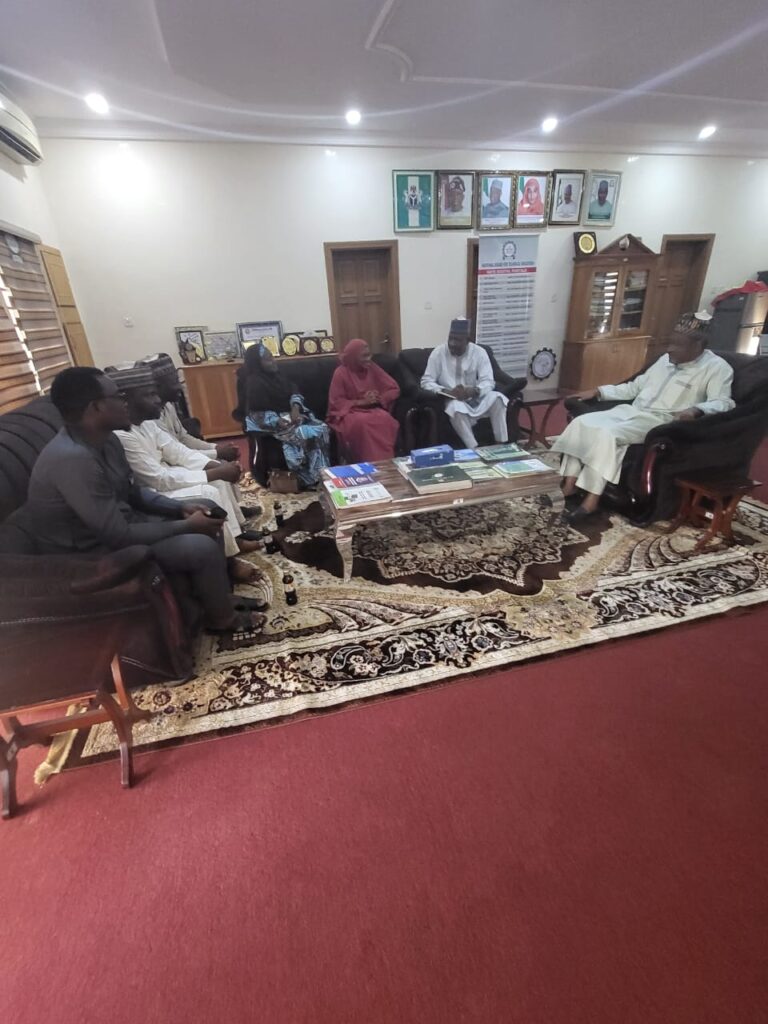
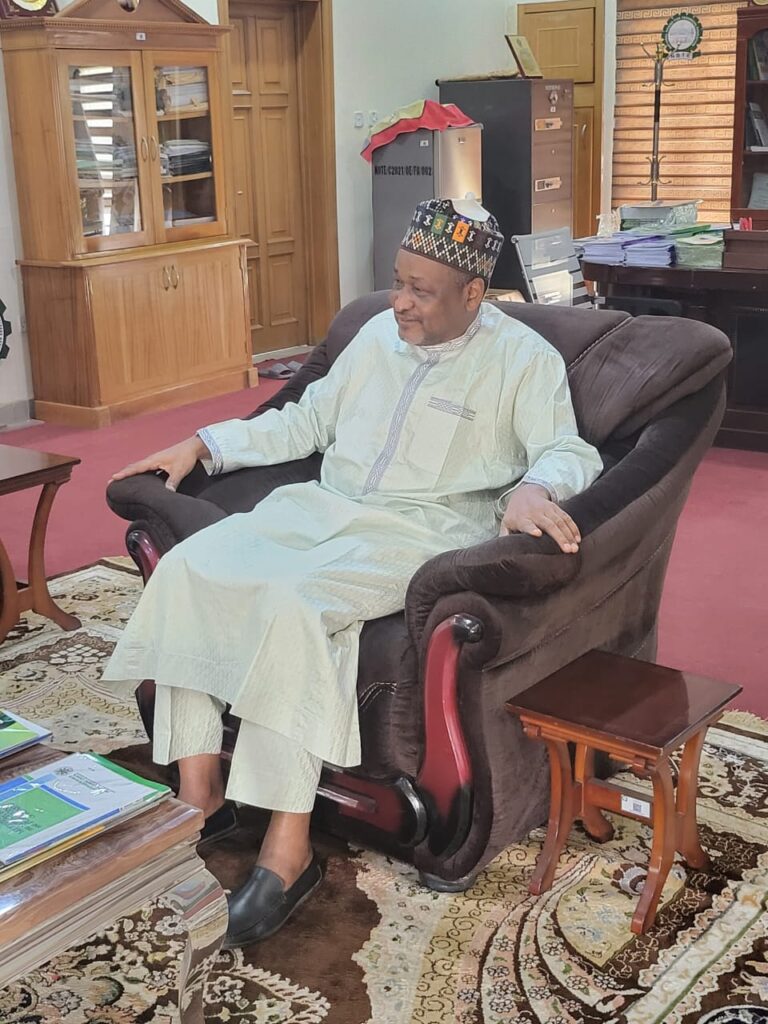
He explained that NBTE accreditation requirements include the availability of standard equipment as prescribed by the Board, adequate manpower, trained quality assurance assessors, and full compliance with the National Skills Qualifications Framework (NSQF).
Prof. Bugaje assured the DLI delegation of NBTE’s readiness to support the Institute within established regulatory frameworks. He encouraged the Distance Learning Institute to put all necessary structures and requirements in place ahead of accreditation and assessment visits.
The visit ended on a positive note, with both institutions expressing strong commitment to strengthening collaboration in advancing distance learning, skills development, and technical education in Nigeria.