


Welcome to the Digitizing and Mapping Northern Nigerian Hausa Poetry project. This initiative explores the rich Hausa poetic tradition as a vital record of historical memory, cultural heritage, and resistance to colonialism. Through digitisation, historical research, and interactive mapping, we seek to preserve these literary works and illuminate their connections to people, places, and historical experiences. We hope this project will deepen understanding of Northern Nigeria’s literary heritage and make these valuable resources accessible to researchers, students, and the wider public.

The Digitizing and Mapping Northern Nigerian Hausa Poetry: Poetry, Place, Memory and Resistance, 1850–1980 project explores Hausa poetic traditions as an important record of collective memory, cultural identity, historical experience, and resistance to colonialism.
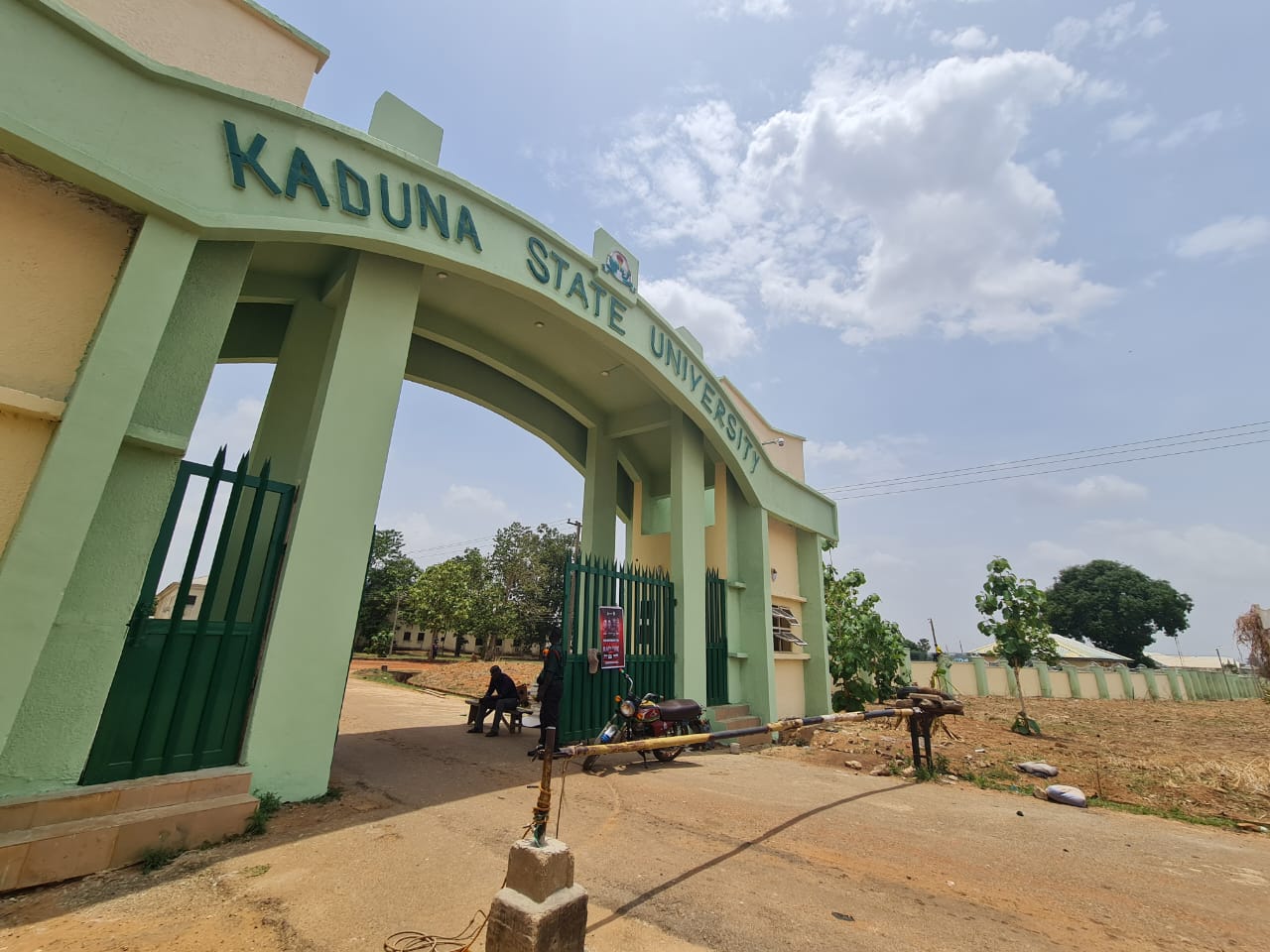
Based at Kaduna State University, Kaduna, in the Department of History and Strategic Studies, the project investigates selected Hausa poems from pre-colonial, colonial, and post-colonial contexts. Through close reading, historical analysis, digitisation, and geographic mapping, it examines how poets expressed responses to colonial domination, cultural transformation, political change, and the preservation of indigenous knowledge and heritage.
Examine how selected Hausa poems express responses to colonial domination, cultural displacement, political change, and social transformation.
Investigate how poets’ biographies and the historical circumstances surrounding their lives inform the themes and meanings of their works.

Explore the connections between poetic expression, historical locations, collective memory, and the preservation of Hausa cultural traditions.
The Digitizing and Mapping Northern Nigerian Hausa Poetry: Memory and Resistance to Colonialism project, based at Kaduna State University in the Department of History and Strategic Studies and funded through the African Poetry Digital Humanities Grant at Brown University, invites applications for three temporary Research Assistant positions.






Hausa poetry offers valuable perspectives on historical experiences, indigenous knowledge, cultural identity, and responses to colonial rule. The project seeks to preserve and make selected poetic works more accessible through digital resources.
Drawing on oral poetry and written materials in English, Arabic, and Hausa Ajami scripts, the research will support the documentation and interpretation of this literary heritage.
Through digital preservation and geographical visualisation, the project will connect historical texts with the places, people, and experiences that give them meaning.
